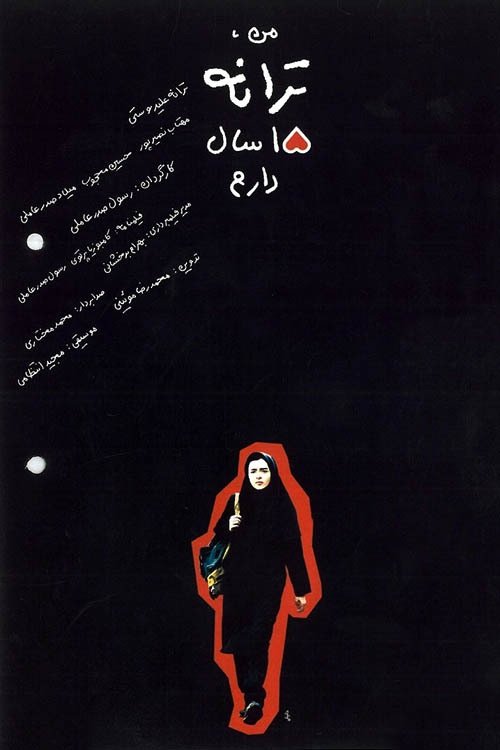
I'm Taraneh, 15
2002
No user ratings available yet
Diversity score: 6.0 out of 10

2007
RDirector
Maryse Sistach
Runtime
104 minutes
Average Rating
No ratings yetSynopsis
Gabino, a very dedicated and hardworking young high school student, he is infatuated with Maty and tries to make her fall in love with him. After an incident in the school, where Gabino and his two friends are suspended for harassing Maty, she rejects him for the last time causing Gabino to plan a revenge against Maty.
Overall Score
Good
Category Breakdown
LGBTQ+ Representation
The film focuses on gender, poverty, and sexual exploitation. There is no significant evidence of LGBTQ+ characters or non-heteronormative identities within the central plot.
Gender Representation
The narrative disrupts hierarchies by centering female experiences within a landscape of vulnerability. It highlights systemic pressures and patriarchal violence rather than traditional domestic archetypes.
Racial & Ethnic Diversity
The film provides an authentic portrayal of Mexican/Latino identities in Mexico City's urban periphery. It avoids mainstream whitewashing by centering a predominantly non-Anglo-Saxon cast.
Religious & Cultural Diversity
The story critiques Western-aligned capitalist structures and the failures of state institutions. It portrays survival-based behaviors as consequences of systemic neglect rather than moral failings.
Disability Representation
There is no specific evidence of characters with recognized physical or neurodivergent disabilities. Vulnerability is presented as a systemic result of poverty rather than a specific disability.
Strengths
Areas for Improvement
AI Analysis
Maryse Sistach’s work is a powerful exercise in social realism, prioritizing the perspectives of those on the margins of society. The film excels by providing an authentic, non-whitewashed look at the socioeconomic realities of the Mexican urban poor, effectively critiquing the disparity between the urban center and the neglected periphery. While the film is progressive in its deconstruction of patriarchal dominance and its focus on female vulnerability, it lacks breadth in other areas. The narrative is heavily preoccupied with gender and class, leaving little room for LGBTQ+ identities or specific disability-focused storylines. Ultimately, the film serves as a profound piece of social commentary. It succeeds in challenging systemic inequities and traditional cinematic tropes, even if its thematic scope remains concentrated on specific intersections of poverty and gender.
2002
2019
2017
2018
1984
2006

2017

2014

2000

2002
2019
2013
No reviews yet. Be the first to share your thoughts on this movie!
Use the rating form above to leave a star rating and optional review.