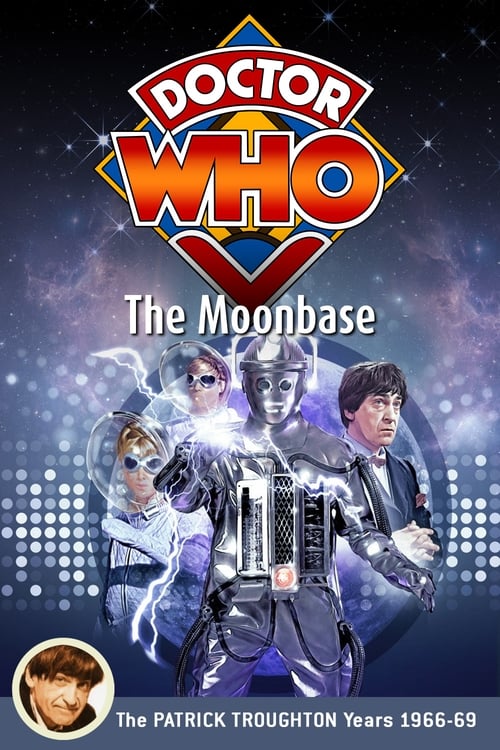
Doctor Who: The Moonbase
1967
No user ratings available yet
Representation score: 1.5 out of 10
Representation Score
Limited
1968
Director
Douglas Camfield
Runtime
194 minutes
Average Rating
No ratings yetNew Showbiz Analysis
The film operates within the traditional science fiction adventure framework, emphasizing the hero versus invader theme over social critique. It adheres to the structural norms of late-1960s British drama, focusing on episodic conflicts rather than challenging societal norms. Representation is constrained by the historical context of the time. The narrative upholds conventional gender roles and racial homogeneity, lacking the intention to disrupt established cultural norms. While the Cybermen offer a philosophical exploration of conformity and loss of individuality, this serves as a metaphor for conformity rather than a critique of identity politics or systemic power structures.
Category Breakdown
The film does not include any representations of LGBTQ+ identities or same-sex relationships. The character arcs of the Doctor, Jamie, and Victoria do not hint at any queer subtext.
The story upholds traditional 1960s gender roles. While the Doctor is the main intellectual figure, Victoria is portrayed in a supporting and vulnerable position relative to the male characters.
The cast is primarily made up of actors from similar backgrounds, typical of British television in 1968. There is no effort to include diverse racial backgrounds.
The plot centers around a typical alien invasion scenario that defends Western civilization. It avoids any critique of Western institutions and maintains a simple moral struggle between humans and the Cybermen.
There is no representation of neurodivergence or physical disabilities. The Cybermen's transformation into machines is shown as a loss of humanity rather than an exploration of disability.
Present on Screen
Limited or Absent
Official Synopsis
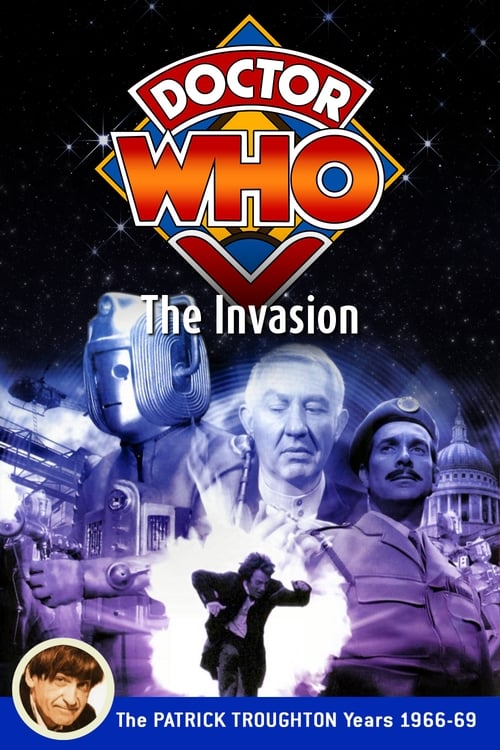
The Doctor, Jamie and Zoe return to Earth and become embroiled in the schemes of Tobias Vaughn. They meet up with an old friend, Colonel (now Brigadier) Lethbridge-Stewart, and some old enemies, the Cybermen.
1967
2014
1965

1966
1965
1975

1973

1973
No reviews yet. Be the first to share your thoughts on this movie!
Use the rating form above to leave a star rating and optional review.