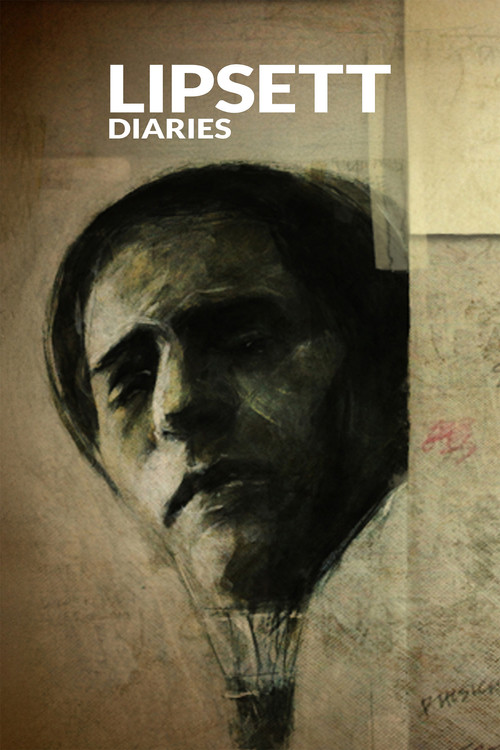
Lipsett Diaries
2010
No user ratings available yet
Representation score: 7.7 out of 10
No Poster Available
Representation Score
Fair
1982
Director
Stephen Quay, Timothy Quay, Keith Griffiths
Runtime
25 minutes
Average Rating
No ratings yetNew Showbiz Analysis
This documentary offers a highly stylized, avant-garde look at Stravinsky's time in France. It emphasizes atmospheric, impressionistic puppetry over conventional biographical structures, providing a subjective view of the 1920s Parisian music scene. Despite its innovative style, the film lacks demographic diversity. Its focus on the Eurocentric classical music elite limits its inclusivity in terms of race and gender.
Category Breakdown
The film captures the culturally queer environment of interwar Paris. However, it does not depict any explicit queer relationships or identity-focused storylines.
The story focuses on the male-dominated world of early 20th-century classical music. There is little indication of women having significant roles or influence.
This film examines the European musical avant-garde. The historical context and cast are predominantly white, reflecting the Eurocentric nature of the time.
The film stands out by breaking down traditional television biographies. It uses unconventional puppetry to emphasize subjective artistic truth over strict, institutionalized historical timelines.
The film does not focus on physical or cognitive disabilities. Its scope is limited to the musical and biographical history of the subject.
Present on Screen
Limited or Absent
Official Synopsis
Igor: The Paris Years, one segment of a larger biographical program created for Channel 4 on the life and times of Igor Stravinsky, finds the brothers working in a slightly different vein than the one that would come to characterize their later work. This is the first section, which covers the pianist’s “French period” from roughly 1920-1939, and it details, among other things, his connection with Jean Cocteau (who, as a matter of fact, contributes voice work to this project). Filtered through gonzo and impressionistic puppetry (often bearing strong resemblance to the work of Terry Gilliam), the film takes an unconventional and often beautiful stab at the television biography special.
2010
1969
1951

2010
2012
1993
1948
2018
No reviews yet. Be the first to share your thoughts on this movie!
Use the rating form above to leave a star rating and optional review.