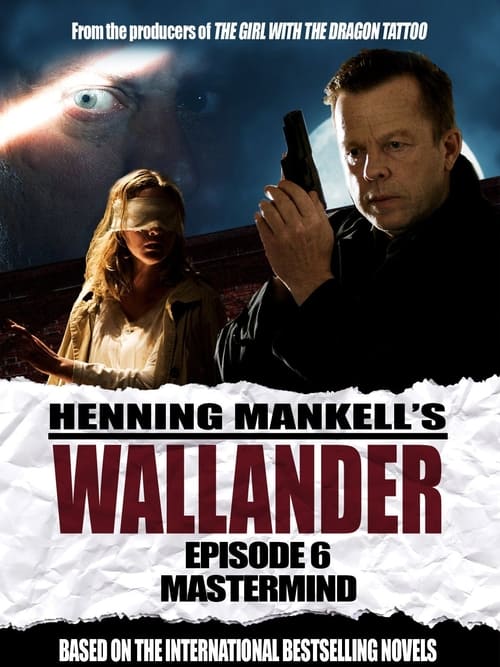
Wallander: Mastermind
2005
No user ratings available yet
Diversity score: 2.2 out of 10
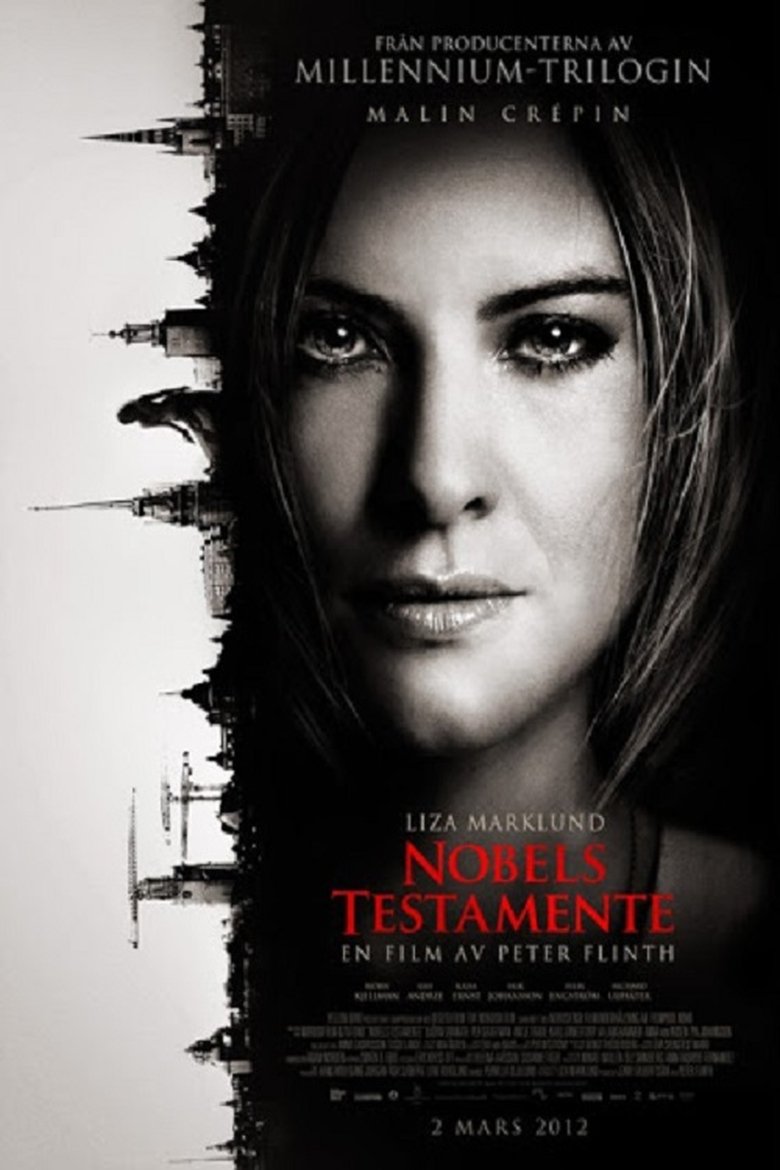
2012
Director
Peter Flinth
Runtime
90 minutes
Average Rating
No ratings yetSynopsis
While covering the annual Nobel Banquet for tabloid Kvällspressen, crime reporter Annika Bengtzon witnesses a spectacular murder right in front of her. Two people are shot, one of them the controversial Laureate in Medicine, Aaron Wiesel. Annika is the key witness and is bound by the police not to disclose anything she has seen. A terrorist group with connections to the Middle East quickly admits responsibility for the murder. International press is all over the story, as are the police.
Overall Score
Limited
Category Breakdown
LGBTQ+ Representation
The film lacks visible non-heteronormative identities or narratives. There are no prominent LGBTQ+ characters or depictions of same-sex intimacy within the story.
Gender Representation
Women are present within the central ensemble, but the film does not subvert traditional gender hierarchies. Power dynamics are driven by socioeconomic status rather than gender disruption.
Racial & Ethnic Diversity
The cast is primarily white, reflecting the European context and period setting. There is no evidence of color-blind casting or intentional ethnic diversity.
Religious & Cultural Diversity
The plot centers on the legacy of a Western institution and high-society mystery. It does not prioritize anti-Western sentiment or secularism as core themes.
Disability Representation
There is no evidence of characters with visible or invisible disabilities being portrayed with agency. The narrative focuses on psychological and physical tension instead.
Strengths
Areas for Improvement
AI Analysis
Nobel's Last Will operates as a conventional period mystery thriller, leaning heavily on established genre tropes. The narrative architecture prioritizes suspense and the mechanics of a high-stakes inheritance over social commentary or diverse representation. The film maintains a homogeneous demographic profile, largely reflecting the historical and European setting of the Nobel legacy. It does not attempt to disrupt social hierarchies or introduce intersectional perspectives, resulting in a traditional viewing experience. While the plot involves international press and terrorist connections, the character ensemble remains largely uniform in terms of race, gender roles, and identity, adhering to the standard conventions of the thriller genre.
2005
2012
2014
1989
2001
2011

2019
1995
2009

2009
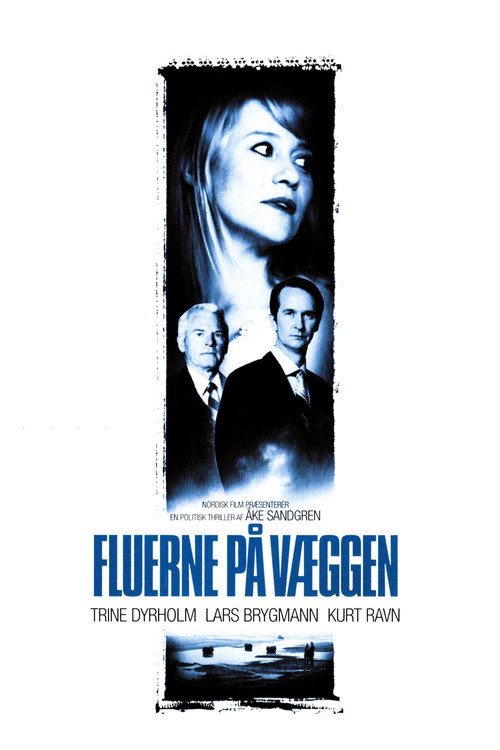
2005
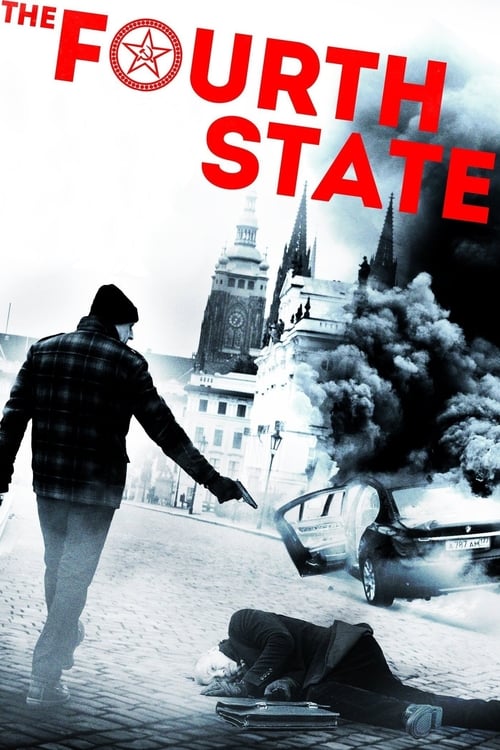
2012
No reviews yet. Be the first to share your thoughts on this movie!
Use the rating form above to leave a star rating and optional review.