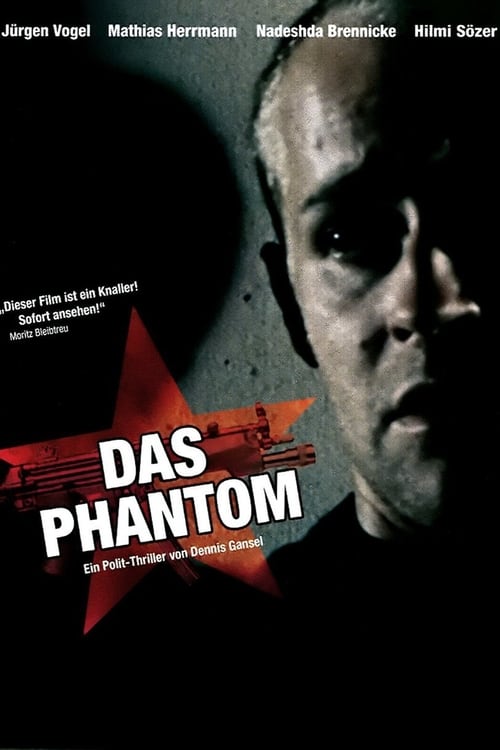
Das Phantom
2000
No user ratings available yet
Representation score: 1.8 out of 10

Representation Score
Good
2012
Director
Dennis Gansel
Runtime
115 minutes
Average Rating
No ratings yetNew Showbiz Analysis
The Fourth State is a period-specific thriller that prioritizes historical accuracy and political critique over modern inclusive representation. Its demographic homogeneity is a result of its setting in the final months of the GDR. While the film lacks racial and LGBTQ+ diversity, it excels in challenging traditional power structures. By centering a female lead and criticizing institutional corruption, it offers a progressive deconstruction of authority. Ultimately, the film prioritizes depth of political commentary over breadth of identity, making it a specialized historical study rather than a diverse ensemble piece.
Category Breakdown
The film focuses on political and psychological survival within 1989 East Berlin. There is no explicit depiction of non-traditional gender identities or narratives that challenge the idea that everyone is straight or cisgender.
Nina serves as a strong female protagonist who plays a significant role in driving the story through her intellect rather than traditional domestic roles. She navigates male-dominated circles effectively.
The cast is predominantly white, reflecting the demographic reality of the German Democratic Republic. The film does not use actors from different racial backgrounds to broaden its representation.
The narrative critically examines the oppressive state institutions of the GDR. It frames subversion as a pursuit of freedom by deconstructing the legitimacy of the social order.
There are no prominent depictions of visible or invisible disabilities. Characters are defined by their political affiliations and psychological responses to state scrutiny.
Present on Screen
Limited or Absent
Official Synopsis
A journalist gets caught up in a terrorist plot in Moscow while investigating the Russian secret service.
2000
2008

2009
2009

2012
2006

2013

2012
No reviews yet. Be the first to share your thoughts on this movie!
Use the rating form above to leave a star rating and optional review.