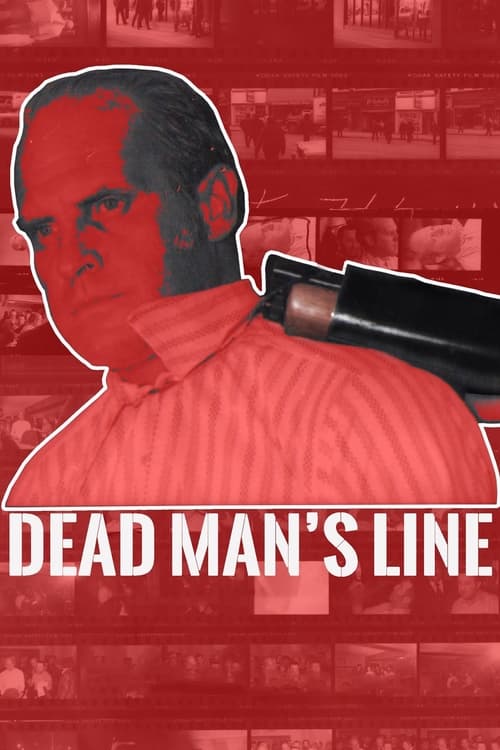
Dead Man's Line
2018
No user ratings available yet
Representation score: 3.4 out of 10
Representation Score
Minimal
2022
TV-MADirector
Volker Heise
Runtime
91 minutes
Average Rating
No ratings yetNew Showbiz Analysis
This documentary prioritizes the accurate recounting of a historical criminal event over modern social representation. The narrative follows the 1988 Gladbeck hostage crisis, which inherently limits the scope of identity-focused storytelling. The film serves as a study of crisis management and institutional failure, rather than a critique of social hierarchies. Therefore, the representation mirrors the historical context rather than aiming for diversity. Since the subject matter is a non-fiction account of a violent standoff, the work does not include multi-layered diversity or challenge traditional social norms.
Category Breakdown
The documentary focuses on the actions of bank robbers and the police response. There are no LGBTQ+ characters or stories about non-straight relationships.
The story centers around a violent confrontation where male figures play the main roles. Female characters might appear, but they do not have significant influence.
The cast and setting reflect the historical homogeneity of Germany in the late 1980s. There is no indication of diverse racial or ethnic representation.
The film looks at the breakdown of law and order during a tragic event. It focuses on the procedures and outcomes of the situation.
There is no evidence of neurodivergence, physical disabilities, or mental health conditions being central to the story.
Present on Screen
Limited or Absent
Official Synopsis
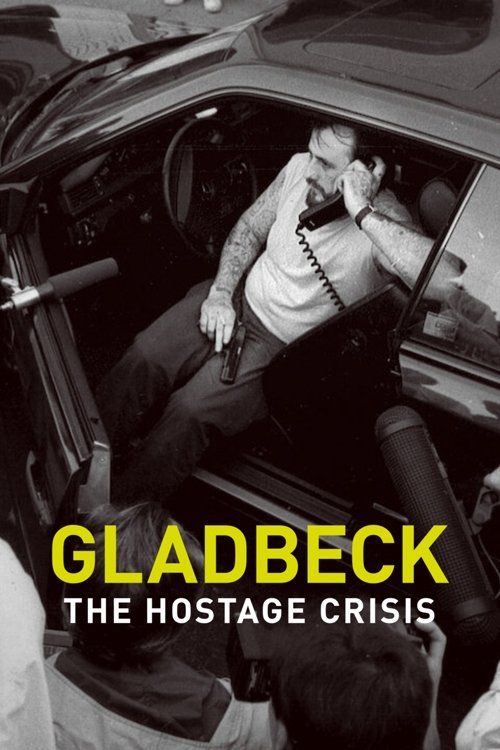
In August 1988, two armed bank robbers keep German police at bay for 54 hours during a hostage-taking drama that ends in a shootout and three deaths.
2018
2002
2006

2003
2003
2015
2017
2022
No reviews yet. Be the first to share your thoughts on this movie!
Use the rating form above to leave a star rating and optional review.