
Electrical Girl
2001
No user ratings available yet
Representation score: 6.8 out of 10
Representation Score
Fair
1987
PGDirector
Chuck Martinez
Runtime
78 minutes
Average Rating
No ratings yetNew Showbiz Analysis
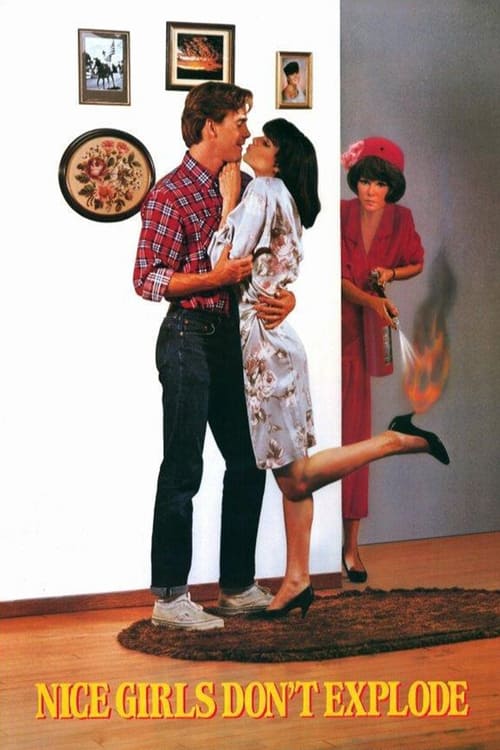
Nice Girls Don't Explode is a product of its time, prioritizing high-concept comedic devices over social complexity. The narrative structure relies heavily on the protagonist's condition to create situational irony, often sidelining meaningful representation in favor of genre-standard humor. The film lacks diversity, presenting a world that appears largely homogeneous and centered on straight relationships. While the female lead is central, her characterization leans into traditional stereotypes regarding female emotional instability. Ultimately, the work functions as a conventional 1980s comedy, focusing on individual romantic pursuits and familial friction without exploring diverse identities or challenging existing social hierarchies.
Category Breakdown
The story revolves around a traditional romantic relationship between April and Andy. There is no indication of queer undertones or non-straight identities in the narrative.
April plays a central role in driving the plot, but the film relies on the 'temperamental woman' cliché. Her passion is portrayed as a destructive force, which might reinforce outdated views of female emotionality.
The synopsis does not mention diverse casting or characters from various racial backgrounds. The film seems to focus on a homogeneous cast of characters.
The film follows typical romantic comedy conventions, emphasizing family and romance. It does not engage with broader religious or cultural institutions.
The protagonist's condition serves as a comedic device rather than a nuanced portrayal of disability. This risks using a 'magical burden' cliché for situational humor.
Present on Screen
Limited or Absent
Official Synopsis
April has a problem. Whenever she gets anything like passionate with a guy all sorts of things seem to spontaneously combust. The only men she meets more then once are firefighters. Actually, it's Mom's way of trying to keep her little girl to herself, but new boyfriend Andy is having none of such nonsense. So the heat's on. Unfortunately it's Fluffy the cat who keeps getting caught in the middle.
2001
1983
1987

1988

1989
1984
1985

1985
No reviews yet. Be the first to share your thoughts on this movie!
Use the rating form above to leave a star rating and optional review.