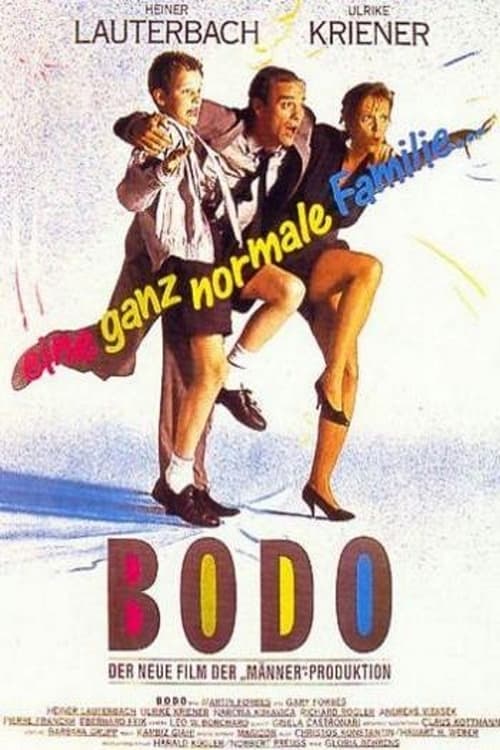
Bodo - Eine ganz normale Familie
1989
No user ratings available yet
Representation score: 4.5 out of 10
Representation Score
Good
1987
PG-13Director
Susan Seidelman
Runtime
98 minutes
Average Rating
No ratings yetNew Showbiz Analysis
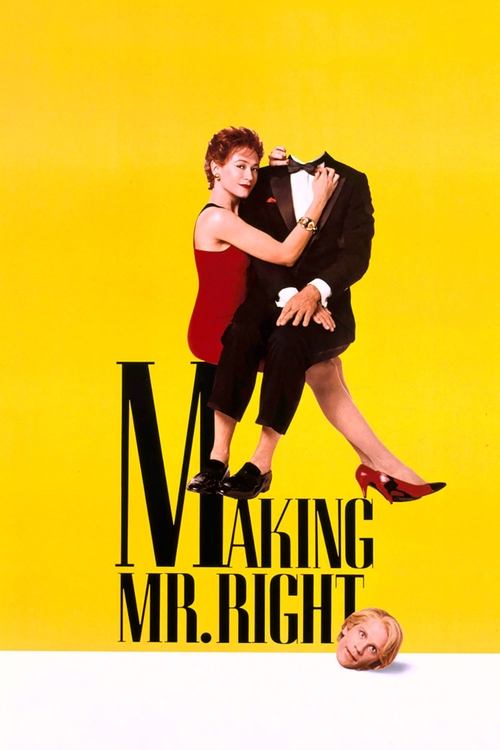
Making Mr. Right excels in its subversion of traditional gender roles, giving the female protagonist the power to deconstruct and reconstruct masculine archetypes. This provides a refreshing departure from passive romantic clichés of the era. However, the film remains limited by the social standards of its time. It lacks significant racial and LGBTQ+ representation, focusing instead on a homogeneous, middle-class New York City milieu. While the central sci-fi conceit offers a metaphor for navigating social cues, it misses the opportunity for a deeper, more authentic exploration of neurodivergent experiences.
Category Breakdown
The film focuses on heterosexual relationships and does not include explicit LGBTQ+ characters or narratives that challenge the assumption that everyone is straight.
Frankie Stone plays a significant role in driving the story, taking control and acting on her own terms. The film challenges traditional views of masculinity by presenting it as a skill that can be learned.
The film centers around a predominantly white cast typical of 1980s romantic comedies. There is no significant racial blending or diverse representation in the cast.
The story offers a critique of consumerist approaches to human connections, but it does not aggressively challenge traditional institutional values.
The Ulysses Robot serves as a metaphor for social 'otherness' or neurodivergence. However, this functions primarily as a science-fiction device rather than a nuanced portrayal of lived disability.
Present on Screen
Limited or Absent
Official Synopsis
When image consultant Frankie Stone is hired by a tech company to teach a scientist’s “Ulysses Robot” how to be a man, she winds up developing very real feelings for the faux human.
1989
1984
1985
1983
1987

2008
2010

1988
No reviews yet. Be the first to share your thoughts on this movie!
Use the rating form above to leave a star rating and optional review.