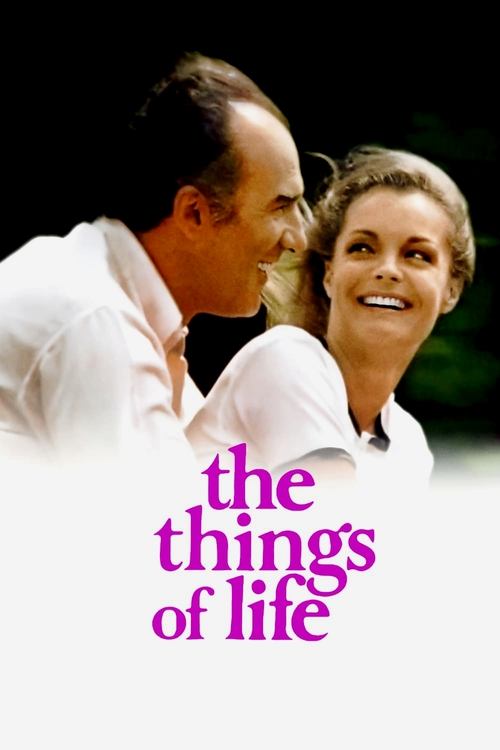
The Things of Life
1970
No user ratings available yet
Representation score: 1.7 out of 10

Representation Score
Limited
1976
Director
Claude Sautet
Runtime
135 minutes
Average Rating
No ratings yetNew Showbiz Analysis
Claude Sautet’s drama is a localized character study that prioritizes interpersonal dynamics over broader social critiques. It succeeds in providing a nuanced look at female autonomy, moving beyond traditional clichés to explore complex emotional landscapes. However, the film remains limited by its narrow demographic scope. The lack of racial and LGBTQ+ diversity keeps the narrative firmly within a traditional, Eurocentric framework of the 1970s. Ultimately, the film trades broad social representation for psychological depth, offering a secular exploration of human connection that avoids simplistic moral binaries.
Category Breakdown
The film focuses almost exclusively on heterosexual relationships and does not include any non-cisgender gender identities or same-sex intimacy among the main characters.
The narrative centers around the emotional independence of the female protagonist, presenting her as a strong, independent character rather than a passive support to the male lead.
The cast is predominantly white and European, reflecting the 1970s French cinematic landscape. The film lacks significant minority representation or intentional casting that deviates from traditional roles.
The story prioritizes individual emotional truths over religious or patriotic institutions. It explores subjective morality and situational ethics rather than rigid institutional dogma.
There is no significant depiction of visible or invisible disabilities. The focus remains on the psychological complexities of the central characters.
Present on Screen
Limited or Absent
Official Synopsis
A middle-aged businessman faces bankruptcy after his partner's suicide and a rival's unscrupulous offer to buy his company. Determined to avoid the trap, he finds an unexpected solution through a prostitute.
1970
1945

1995
1969
1971

1978
1975
1972
No reviews yet. Be the first to share your thoughts on this movie!
Use the rating form above to leave a star rating and optional review.