Find another title
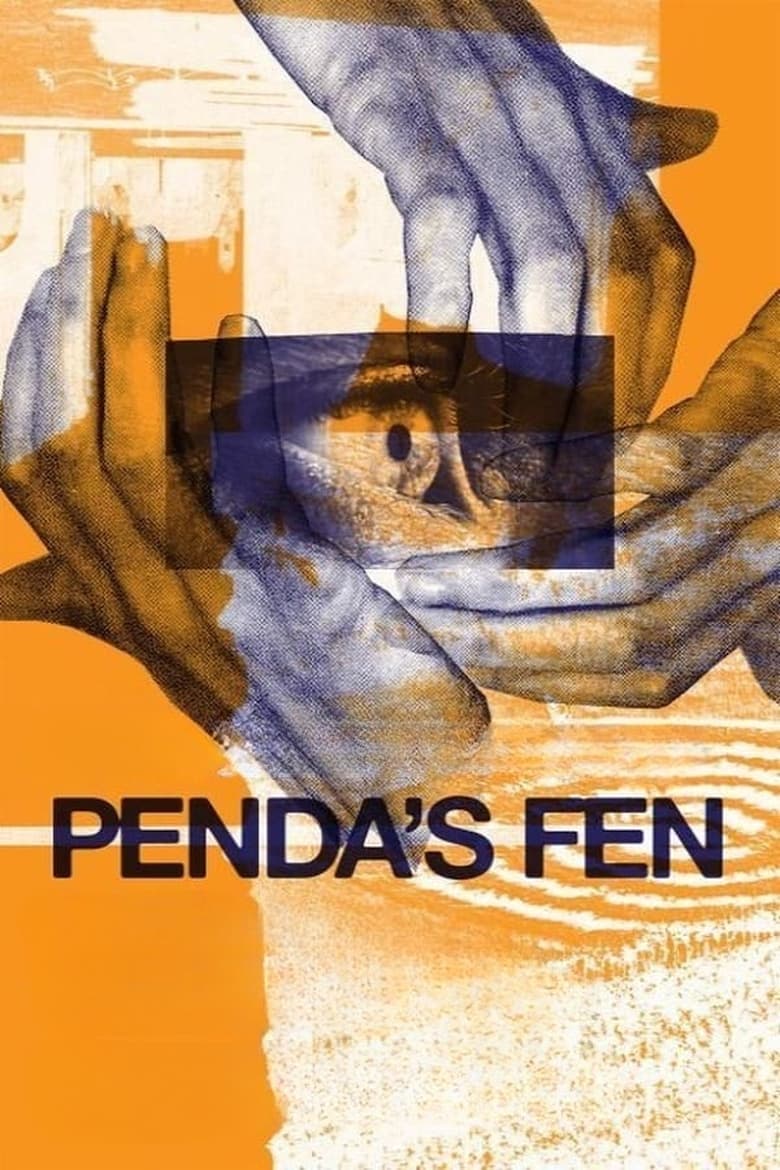
Penda's Fen
1974
Director
Alan Clarke
Runtime
88 minutes
Average Rating
No ratings yetSynopsis
Through a series of real and imagined encounters with angels, demons, and England's pagan past, a pastor's son begins to question his religion and politics, and comes to terms with his sexuality.
Where to Watch
Diversity & Representation
Overall Score
Good
Category Breakdown
LGBTQ+ Representation
The film integrates the protagonist's queer identity into his spiritual and psychological crisis. His sexuality is a central driver of the narrative rather than a secondary subplot.
Gender Representation
Masculinity is portrayed as a contested, unstable space rather than a monolith. The film subverts traditional patriarchal archetypes through the protagonist's fragmented relationships with male figures.
Racial & Ethnic Diversity
The cast and setting are largely homogeneous, reflecting a specific focus on English paganism. It lacks intersectional breadth, focusing on a white English protagonist.
Religious & Cultural Diversity
The narrative critiques the Christian Church and industrial state as restrictive forces. It prioritizes pagan and mythic spiritualities over established religious institutions.
Disability Representation
The film offers a nuanced portrayal of psychological fragmentation and neurodivergence. Hallucinations are treated as essential tools for perception rather than mere symptoms of madness.
Strengths
- Integrates queer identity as a central, transformative element of the protagonist's journey.
- Subverts traditional patriarchal hierarchies and masculine archetypes through psychological tension.
- Provides a sophisticated critique of religious and industrial institutions through mythic storytelling.
Areas for Improvement
- Lacks racial and ethnic diversity due to its narrow focus on English paganism.
- The homogeneous cast limits the film's intersectional breadth and cultural scope.
AI Analysis
Penda's Fen is a profound exploration of identity that succeeds by weaving queer experience and mythic spirituality into its core structure. It effectively deconstructs traditional English masculinity and religious dogma, offering a transformative view of the individual against the state. However, the film's intense focus on Anglo-Saxon mythology results in a lack of racial and ethnic diversity. This homogeneity limits the narrative's intersectional scope, keeping the exploration centered on a specific white English experience. Ultimately, the work is a powerful critique of Western institutions, using psychological instability and paganism to challenge social norms and the rigidity of modern industrial life.
Rate this Movie
Reviews
No reviews yet. Be the first to share your thoughts on this movie!
Use the rating form above to leave a star rating and optional review.