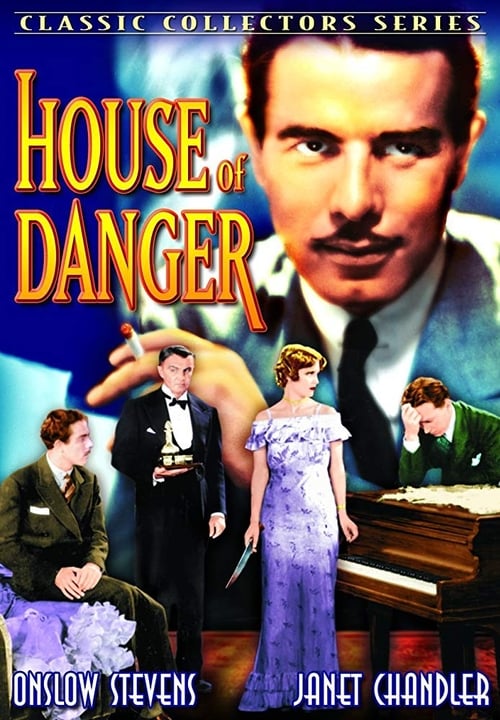
House of Danger
1934
No user ratings available yet
Diversity score: 1.7 out of 10

1936
Director
Frank Wisbar
Runtime
85 minutes
Average Rating
No ratings yetSynopsis
A beautiful young drifter comes to a small village and battles Death itself to save the man she loves.
Overall Score
Limited
Category Breakdown
LGBTQ+ Representation
The film lacks any depiction of non-heteronormative identities or same-sex intimacy. The plot focuses on a traditional romantic pursuit between the female lead and a man.
Gender Representation
The protagonist subverts 1930s tropes by acting as an active drifter rather than a passive victim. Her metaphysical battle against Death demonstrates significant agency and spiritual strength.
Racial & Ethnic Diversity
There is no evidence of racial blending or non-white majority casting. The production appears to follow the demographic norms typical of its 1936 era.
Religious & Cultural Diversity
The narrative explores individual willpower against cosmic or systemic forces like Death. However, it remains unclear if the film critiques or adheres to traditional religious institutions.
Disability Representation
No characters with visible or invisible disabilities are documented. Disability does not appear to serve as a narrative device in this story.
Strengths
Areas for Improvement
AI Analysis
Ferryman Maria is a period piece that reflects the limited demographic scope of 1936 cinema. While it lacks modern intersectional markers, it offers a notable departure from the era's typical gendered archetypes through its central heroine. The film's strength lies in its characterization of the female lead, who possesses a level of agency rarely seen in contemporary melodramas. She is a proactive force fighting against fate rather than a submissive figure. However, the work remains constrained by its historical context, offering no representation of LGBTQ+ identities, racial diversity, or disability. It functions primarily as a traditional, heteronormative drama.
1934

1939
1946

1931

1958

1951

1934
1911
No reviews yet. Be the first to share your thoughts on this movie!
Use the rating form above to leave a star rating and optional review.