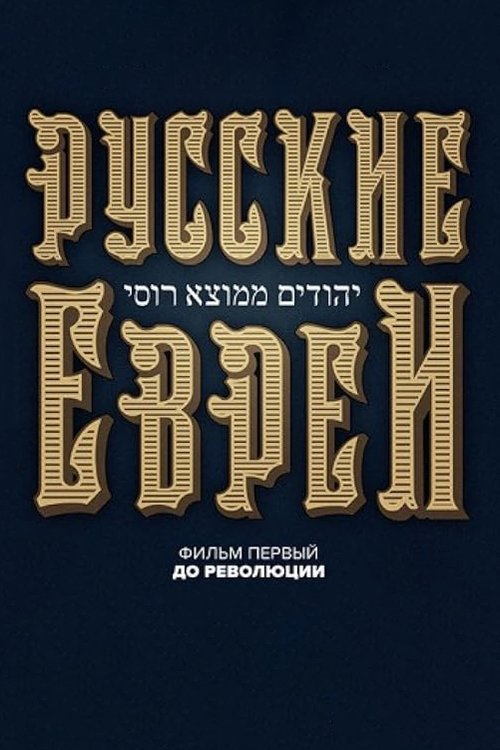
Russian Jews. Part One. Before Revolution.
2016
No user ratings available yet
Representation score: 5.7 out of 10
Representation Score
Limited
2017
Director
Sergey Nurmamed
Runtime
126 minutes
Average Rating
No ratings yetNew Showbiz Analysis
This documentary serves as a specialized historical inquiry into the relationship between the Soviet state and Jewish populations. By centering on the assassination of Solomon Mikhoels, the film shifts the focus from state-centric narratives to the experiences of an ethnic minority. The work succeeds in providing meaningful representation of ethnic ability to act and the impact of systemic oppression. However, the film's scope is narrow, lacking engagement with modern identity categories like LGBTQ+ narratives or neurodivergent perspectives.
Category Breakdown
The film focuses strictly on historical and ethnic narratives. There is no evidence of LGBTQ+ characters or themes within this specific period study.
The documentary follows traditional historical hierarchies where the primary actors in Soviet state security and leadership were predominantly male. It lacks explicit gender-based subversion.
The film provides actively leading representation of Jewish populations navigating a dominant state structure. It prioritizes the lived experience and historical ability to act of this underrepresented group.
The narrative explores the survival of cultural identity against institutional corruption. It frames state institutions as sources of systemic violence and oppression.
No information is available regarding the portrayal of disability in this work.
Present on Screen
Limited or Absent
Official Synopsis
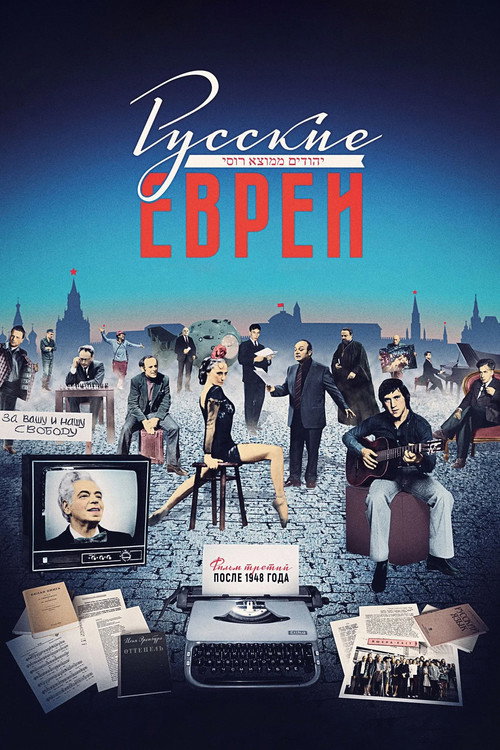
With the assassination in 1948 of the head of the Jewish Anti-Fascist Committee, Solomon Mikhoels, by the state security, new times begin in the relationship between the Soviet government and the Jews.
2016
1998
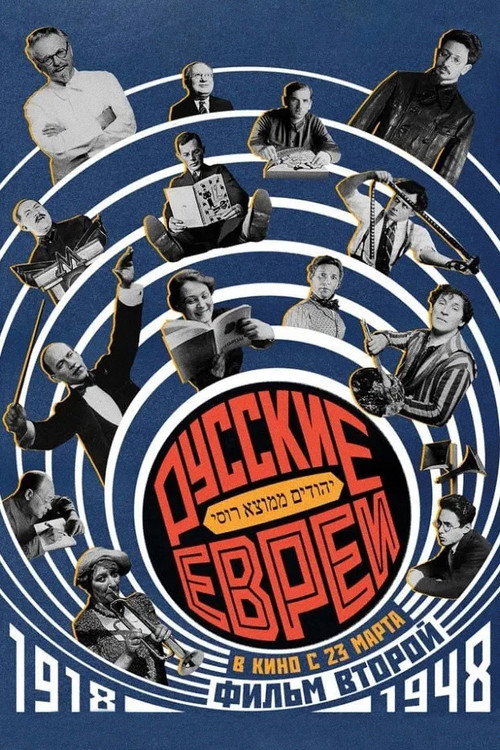
2017
2012
2021
2014
2022

2017
No reviews yet. Be the first to share your thoughts on this movie!
Use the rating form above to leave a star rating and optional review.