A Divided World
1948
No user ratings available yet
Representation score: 0.6 out of 10
Representation Score
Minimal
1941
Director
Arne Sucksdorff
Runtime
12 minutes
Average Rating
No ratings yetNew Showbiz Analysis
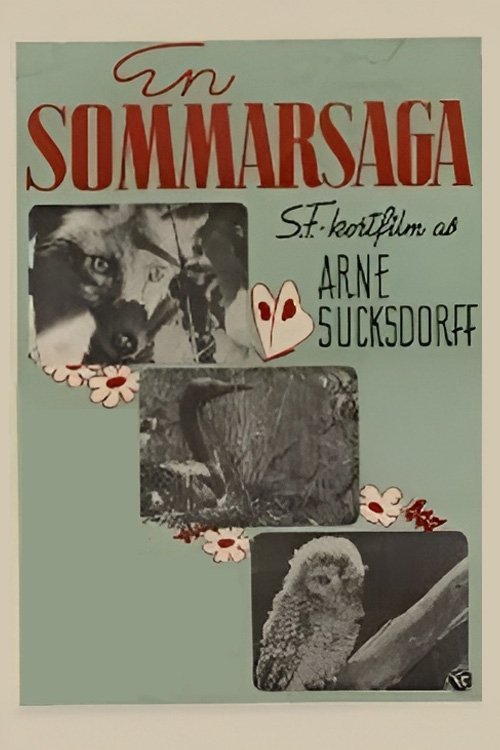
Summer's Tale is a work of pure naturalism that operates outside the social hierarchies typically used to measure diversity. Its focus is strictly zoological, following the life cycle of a fox cub through the Swedish forest. The film's value lies in its rejection of human-centric morality. By prioritizing sensory experience and the predatory cycle over human ethics, it offers a rhythmic, poetic observation of the natural world. Because the subject matter is entirely environmental, the film lacks human representation across almost all identity categories, resulting in a low score that reflects its genre rather than active social regression.
Category Breakdown
Since the film is a non-narrative nature documentary, it does not include human characters or social dynamics, thus there is no representation of LGBTQ+ identities or narratives.
The film centers on the biological imperatives of a fox cub and avoids human social structures. It does not engage with traditional gender roles or stereotypes.
Set in the Swedish countryside, the film focuses on native wildlife. There is no depiction of racial diversity or non-Anglo-Saxon representation.
The film presents a secular, biological perspective on existence without engaging in religious or cultural critiques. It focuses on the pre-social state of the wilderness.
There are no human characters depicted in this work. The depiction of animals struggling for survival does not translate to a representation of disabilities.
Present on Screen
Limited or Absent
Official Synopsis
Arne Sucksdorff’s first film for Svensk Filmindustri, this lyrical short follows a fox cub through his playful explorations and predatory instincts in the Swedish forest. Blending moments of enchantment with unsentimental depictions of cruelty, the film captures the cycle of survival among animals with striking rhythmic editing and sensuous close-ups of fur, eyes, and forest textures. Rich in light and detail, Summer’s Tale became an enormously popular nature film and established Sucksdorff’s reputation for poetic documentary.
1948
1996
1946
2004
1946
1970
1939
1958
No reviews yet. Be the first to share your thoughts on this movie!
Use the rating form above to leave a star rating and optional review.