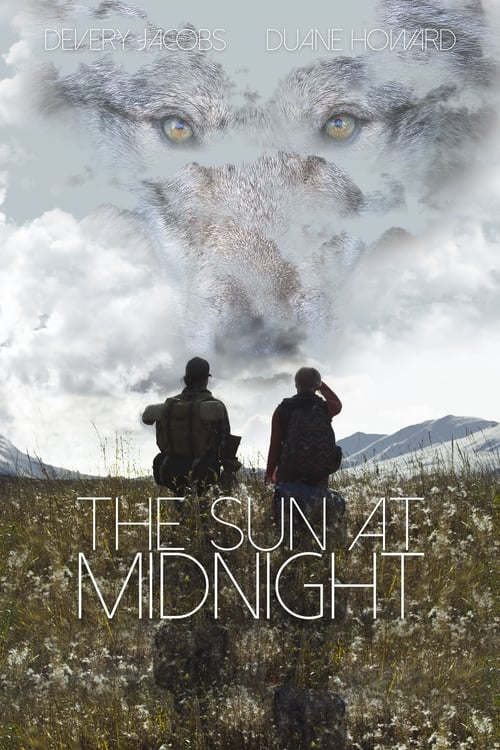
The Sun at Midnight
2016
No user ratings available yet
Representation score: 8.0 out of 10
Representation Score
Excellent
2023
Director
Sophie Farkas Bolla
Runtime
89 minutes
Average Rating
No ratings yetNew Showbiz Analysis
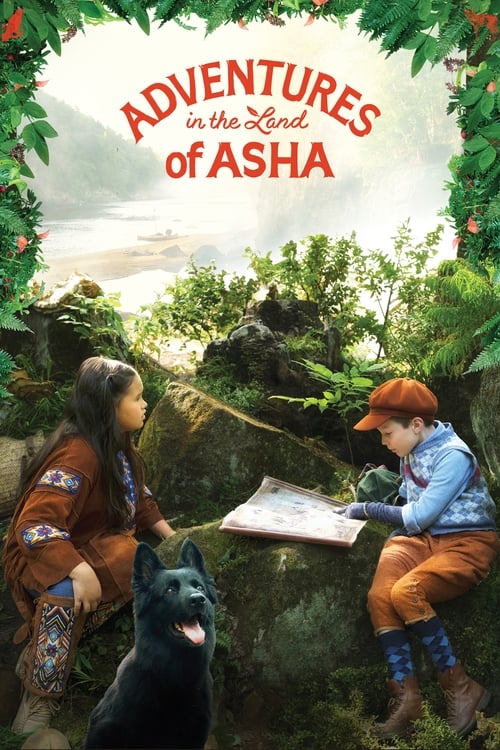
Adventures in the Land of Asha presents a nuanced historical drama that goes beyond simple inclusion. By centering an Indigenous character as a peer and guide, the film avoids the typical colonial explorer cliché. It delves into the intersection of identity, physical difference, and cultural coexistence. The film excels in its exploration of racial and cultural representation. It uses the protagonist's disability to drive a journey of self-discovery, avoiding sentimentality. However, the film lacks explicit LGBTQ+ representation and maintains traditional patriarchal structures through its village hierarchy.
Category Breakdown
The film does not include explicit LGBTQ+ characters or identities. The story focuses on the relationship between Jules and Asha.
The plot centers around a child and a mysterious woman. While a male mayor represents traditional authority, the protagonists drive the story forward.
The film pairs a settler descendant with an Indigenous girl, disrupting colonial stereotypes. Their relationship highlights cross-cultural interactions within the landscape.
The film critiques Western social structures by showing the school system as exclusionary. It emphasizes nature-centric wisdom over the structured settler village life.
Jules's rare skin condition drives his journey rather than being a source of pity. It explores how physical differences impact social integration.
Present on Screen
Limited or Absent
Official Synopsis
On a cold winter's day in 1940, Jules and his family move to live with his uncle, mayor of a settler's village in northern Quebec. He is banned from school because of his rare skin disease. From that moment on, his greatest wish is to be cured. When his dog Spark runs away into the wild forest, Jules has no choice but to look for him. On his way, he meets Asha, a mysterious young indigenous girl. Together, they venture to the other side of the forest, where nature reveals itself full of life and secrets.
2016
1984
2024

2021
2014
2022

2016
2015
No reviews yet. Be the first to share your thoughts on this movie!
Use the rating form above to leave a star rating and optional review.