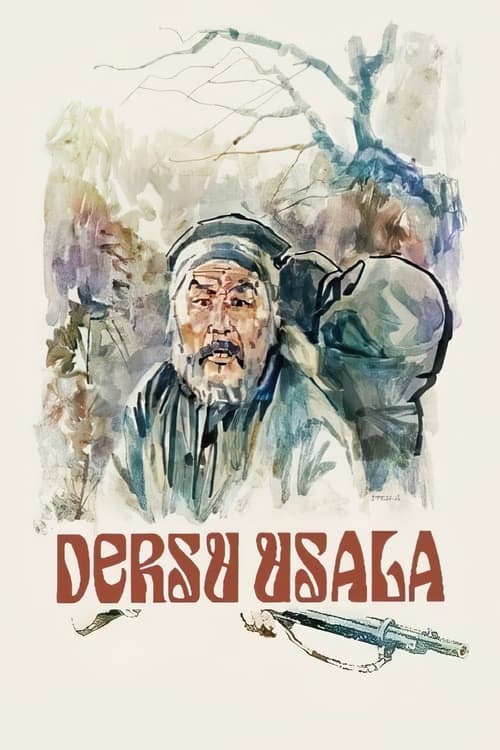
Dersu Uzala
1975
No user ratings available yet
Representation score: 3.1 out of 10

Representation Score
Fair
2016
Director
Safy Nebbou
Runtime
105 minutes
Average Rating
No ratings yetNew Showbiz Analysis
In the Forests of Siberia provides a contemplative exploration of human connections outside traditional societal structures. By removing women and organized religion, the film redefines the 'modern man' through primal, situational ethics. The film excels in its cultural critique and its portrayal of an outsider as a wise figure rather than a villain. It also disrupts traditional gender roles by emphasizing emotional interdependence. However, the demographic diversity in the film is limited. The story focuses primarily on a narrow, masculine-dominated interaction, which narrows the scope of its social representation.
Category Breakdown
The film explores a deep emotional bond between Teddy and Aleksei, suggesting a relationship that goes beyond typical friendships. However, the movie keeps the nature of their relationship ambiguous, leaving room for interpretation.
The story unfolds in a mostly masculine setting, moving away from traditional gender roles where men are providers. Instead, it highlights a more vulnerable and interdependent form of masculinity.
The film features interactions between a Western protagonist and a Russian local, highlighting a cross-cultural dynamic. This shifts the focus from a homogeneous viewpoint to a more diverse, international perspective.
The narrative criticizes modern Western civilization and its emphasis on capitalist productivity. It emphasizes a secular, individualistic spirituality found in nature, rather than organized religion or state-imposed laws.
There are no characters in the film dealing with visible or invisible disabilities.
Present on Screen
Limited or Absent
Official Synopsis
Fed up with the hectic, senseless world he lives in, Teddy decides to settle down alone in Siberia, in the midst of winter, in a hut by the shore of Lake Baikal. After an initial period of elation in front of the splendor and magic of unspoiled nature, Teddy soon finds himself confronted with the less glossy side of things : solitude, extreme cold, the necessity to find food, danger... One night Teddy gets lost in a blizzard and would be doomed to a certain death, were it not for Aleksei, a Russian convict living hidden away in the forest nearby, who rescues him in extremis. Friendship soon blossoms between the two men...
1975

2003
2009
2015
2004

1971

2023

2013
No reviews yet. Be the first to share your thoughts on this movie!
Use the rating form above to leave a star rating and optional review.