
Mrs. Brown's Boys D'Movie
2014
No user ratings available yet
Diversity score: 3.6 out of 10

2001
NRDirector
Sara Sugarman
Runtime
104 minutes
Average Rating
No ratings yetSynopsis
Set in the fictional village of "Ogw" in the valleys of south-east Wales. After her father Jack suffers a stroke Annie Mary Pugh is forced to take care of him but uses the circumstances to emancipate herself and find the courage to sing once again.
Overall Score
Limited
Category Breakdown
LGBTQ+ Representation
The film lacks prominent LGBTQ+ characters or storylines. The narrative focuses almost exclusively on traditional romantic and familial structures within the village.
Gender Representation
The story centers on female agency and subverts the archetype of the submissive woman. Annie Mary prioritizes her personal identity over traditional domestic expectations.
Racial & Ethnic Diversity
The cast and setting are predominantly homogeneous. The film reflects a specific rural Welsh context with little intersectional racial diversity.
Religious & Cultural Diversity
The film explores the tension between individual desire and communal tradition. It depicts rigid social structures as obstacles to personal growth.
Disability Representation
A medical crisis serves as a catalyst for the protagonist's journey. However, the film uses disability primarily as a narrative device rather than exploring disability agency.
Strengths
Areas for Improvement
AI Analysis
Very Annie Mary is a character-driven comedy that finds its purpose in the psychological liberation of its protagonist. It succeeds by deconstructing the traditional caregiver trope, reframing domestic duty as a springboard for self-actualization rather than a terminal state of service. While the film offers a nuanced portrayal of female autonomy, it remains limited by its narrow demographic scope. The setting is a closed system of social expectations that lacks significant racial or LGBTQ+ representation. Ultimately, the film is a study of individual emancipation against a stagnant, traditionalist backdrop. It prioritizes personal agency over the maintenance of established communal hierarchies.
2014
2019
1990
2006
1999
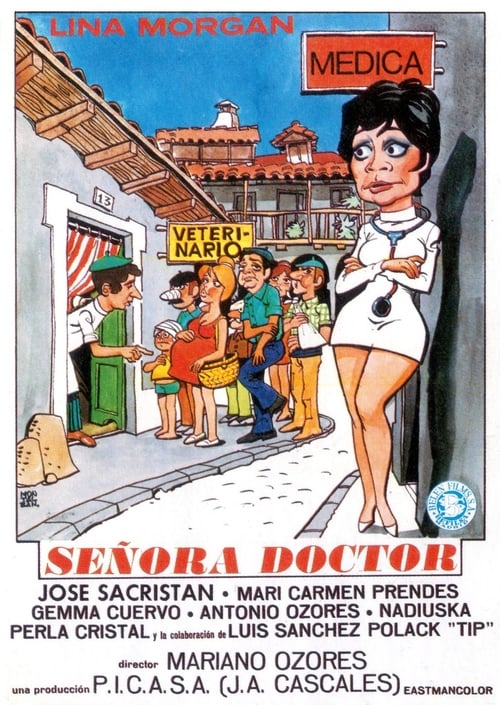
1974

2014

2005
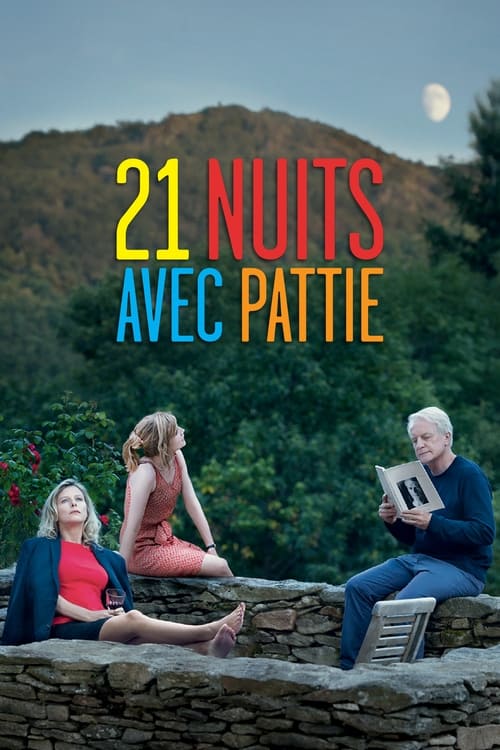
2015
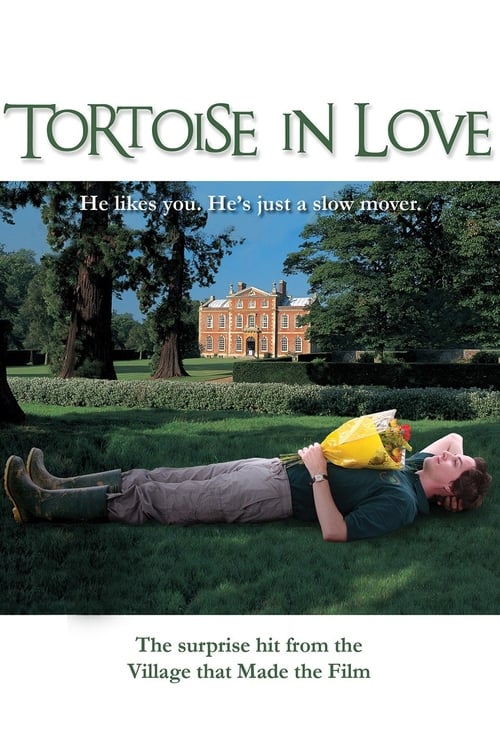
2012

2021
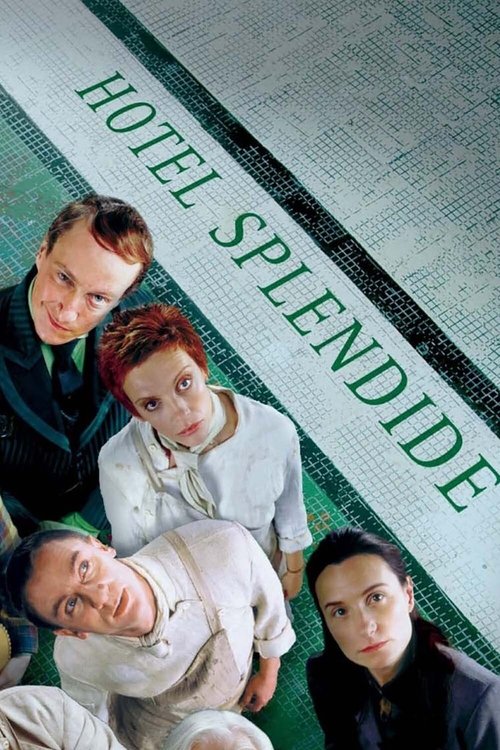
2000
No reviews yet. Be the first to share your thoughts on this movie!
Use the rating form above to leave a star rating and optional review.