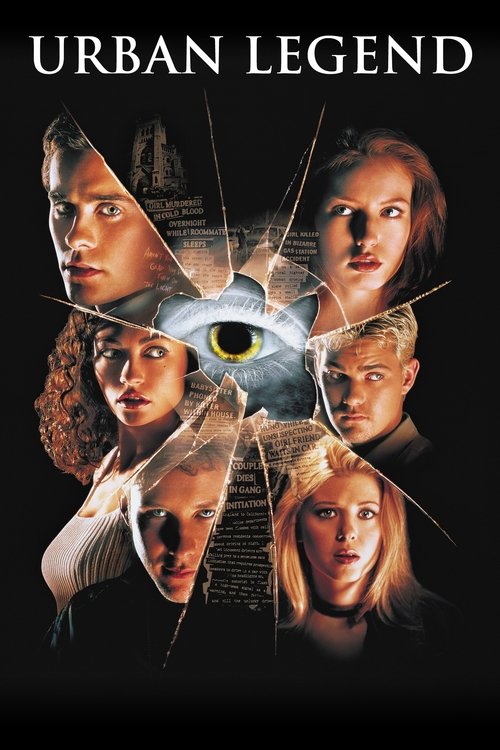
Urban Legend
1998
No user ratings available yet
Representation score: 4.5 out of 10
Representation Score
Minimal
2005
RDirector
Mary Lambert
Runtime
93 minutes
Average Rating
No ratings yetNew Showbiz Analysis
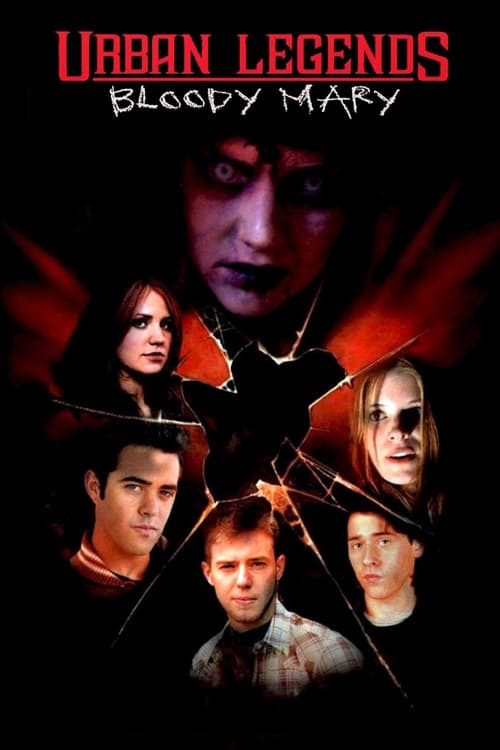
Urban Legends: Bloody Mary operates as a conventional slasher film that relies heavily on established genre clichés. Despite the director’s history of exploring social issues, this production adheres to traditional cinematic norms without challenging them. The film presents a culturally homogeneous environment, lacking racial diversity and multi-layered depth.
Category Breakdown
The film does not feature any LGBTQ+ characters, either explicitly or implicitly. The character dynamics stay within traditional heterosexual norms without addressing queer identities.
Female characters are mainly portrayed as victims of supernatural violence. Their roles are secondary to the antagonists, reinforcing traditional gender dynamics where women have limited control over their own fates.
The cast is predominantly white, with few characters of color having significant roles. The film lacks diversity in its representation of different racial backgrounds.
The story revolves around teenage superstitions without challenging the underlying cultural or moral assumptions. The narrative follows a straightforward cause-and-effect structure without questioning the societal norms.
There are no visible or invisible disabilities depicted in the film. The characters are not used as plot devices related to health conditions or neurodivergence.
Present on Screen
Limited or Absent
Official Synopsis
On a prom-night dare, a trio of high school friends chant an incantation, unleashing an evil spirit from the past with deadly consequences.
1998
2006
2002
2017
2008

2014
2023
2003
No reviews yet. Be the first to share your thoughts on this movie!
Use the rating form above to leave a star rating and optional review.