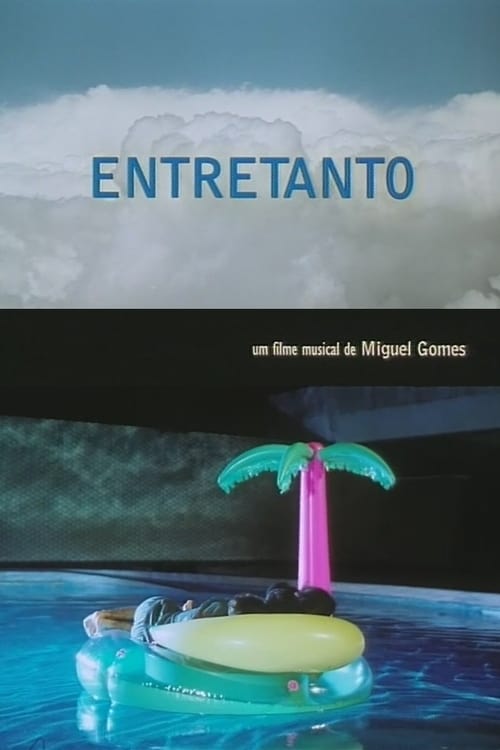
Meanwhile
1999
No user ratings available yet
Representation score: 4.3 out of 10

Representation Score
Fair
1991
Director
Mohsen Makhmalbaf
Runtime
75 minutes
Average Rating
No ratings yetNew Showbiz Analysis
Mohsen Makhmalbaf’s work stands out for its intentional deconstruction of Western narrative hierarchies. By prioritizing a non-Western, culturally specific perspective, the film avoids common global cinema clichés. Although it lacks explicit LGBTQ+ or disability arcs, its focus on moral relativism and poetic realism is progressive.
Category Breakdown
The film explores abstract concepts of desire without explicitly showing same-sex relationships or non-cisgender identities. Its focus on elusive longing challenges rigid assumptions about relationships.
The film subverts traditional gender roles by presenting the female presence as a shifting, metaphysical concept rather than a static character. This avoids the clichés of submissive women or dominant male leaders.
The film provides an authentic Iranian perspective that avoids Western stereotypes. Its use of rural, mountainous landscapes emphasizes a specific cultural geography, avoiding homogenization.
Through poetic realism, the film critiques traditional moral structures by focusing on subjective truths. Its depiction of rural life subtly challenges conventional social norms.
There is no discernible evidence regarding the portrayal of physical or neurodivergent disabilities in this work.
Present on Screen
Limited or Absent
Official Synopsis
Three episodes, all with relatively similar plots about a love triangle between a woman and two men.
1999
2005
1991

2012
2021
1984
1995
2015
No reviews yet. Be the first to share your thoughts on this movie!
Use the rating form above to leave a star rating and optional review.