
The Black Brothers
2014
No user ratings available yet
Representation score: 6.1 out of 10
Representation Score
Limited
1986
PGDirector
Peter Sharp
Runtime
73 minutes
Average Rating
No ratings yetNew Showbiz Analysis
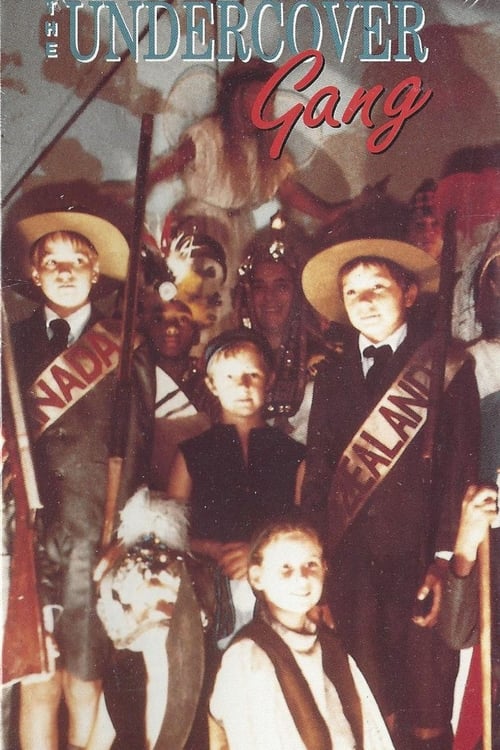
Undercover Gang is a period drama that prioritizes youth ability to act over modern identity politics. The narrative tension stems from children navigating a systemic failure of belief within a small-town setting. The film's representation is largely constrained by its 1915 historical setting and 1980s production era. It functions as a traditional drama that explores the friction between adolescent perception and adult dismissal. While the film lacks depth in reflecting multiple aspects of identity, it offers value through its deconstruction of adult authority. It remains a product of its time, operating within conventional demographic frameworks.
Category Breakdown
The film does not include any visible queer narratives or non-straight relationships. It focuses on traditional childhood social structures within its 1915 setting.
Four children drive the plot, which may offer balanced roles. However, it's unclear whether the film challenges or follows early 20th-century gender roles.
Set in a 1915 New Zealand town, the film likely reflects the homogeneous colonial landscape of the era. Specific Maori perspectives are not explicitly detailed.
The story critiques institutional incompetence by showing children fighting adult skepticism. This provides a narrative challenge to established social orders and authority structures.
There is no information available regarding the inclusion of characters with visible or invisible disabilities.
Present on Screen
Limited or Absent
Official Synopsis
In 1915 four kids try to stop the arsonist who is terrifying their small New Zealand town, but no one believes them. Based on the novel by Maurice Gee.
2014

2003

1976

2016
1971

2017

1984
1986
No reviews yet. Be the first to share your thoughts on this movie!
Use the rating form above to leave a star rating and optional review.