Find another title
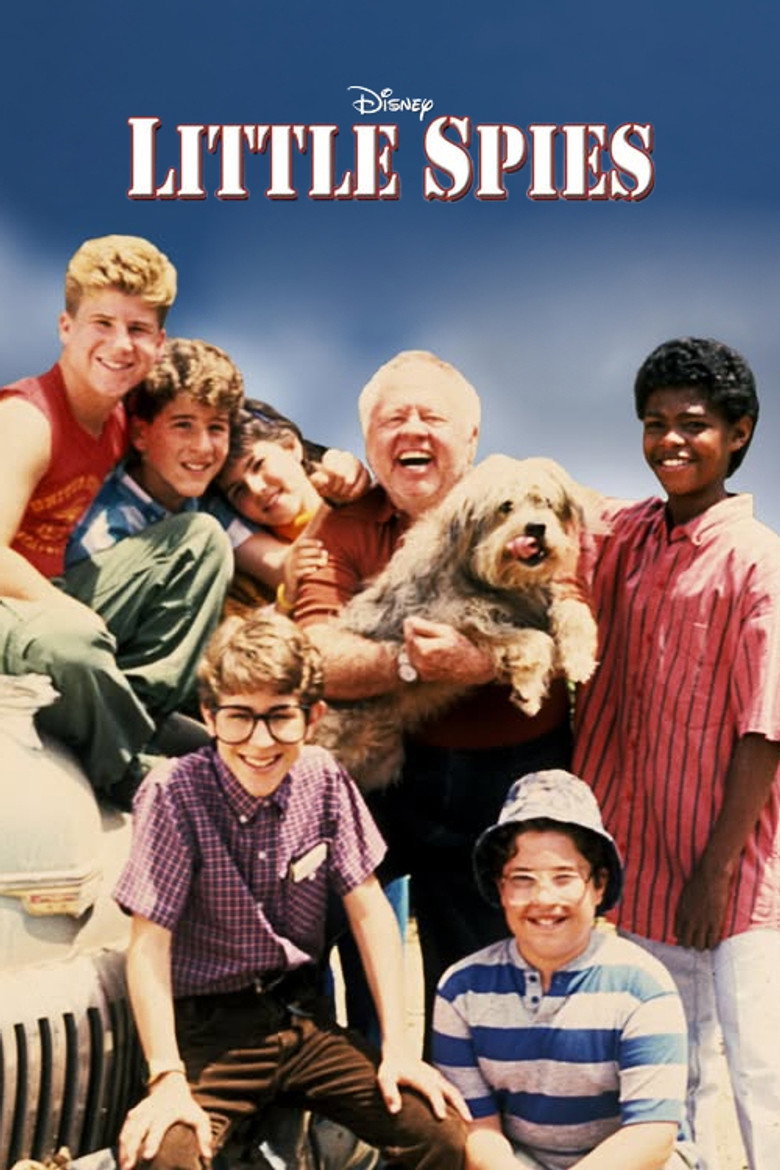
Little Spies
1986
UnratedDirector
Greg Beeman
Runtime
89 minutes
Average Rating
No ratings yetSynopsis
When a runaway stray dog is rescued by the local neighborhood kids, they discover a nearby gang is involved.
Where to Watch
Diversity & Representation
Overall Score
Limited
Category Breakdown
LGBTQ+ Representation
The film lacks any evidence of non-cisnormative gender identities. It adheres to the standard social frameworks typical of 1986 family programming.
Gender Representation
While the cast includes female performers like Candace Cameron Bure, the film follows conventional genre tropes. There is no explicit subversion of traditional gender hierarchies or power dynamics.
Racial & Ethnic Diversity
The production likely reflects the demographic homogeneity common in mid-80s American television. There is no evidence of diverse ethnic casting or racial metaphors.
Religious & Cultural Diversity
The plot follows a traditional moral framework centered on community protection. It lacks systemic critique or any indication of anti-capitalist or secularist themes.
Disability Representation
The film provides no evidence regarding the inclusion of characters with visible or invisible disabilities.
Strengths
- Features recognizable period talent like Candace Cameron Bure.
- Provides a classic, community-focused adventure narrative for family audiences.
Areas for Improvement
- Lacks representation of diverse gender identities or LGBTQ+ narratives.
- Shows little evidence of racial or ethnic diversity within the cast.
- Does not explore disability or non-traditional social hierarchies.
AI Analysis
Little Spies is a standard 1980s family adventure that prioritizes genre tropes over social commentary. The narrative focuses on neighborhood children and a stray dog, operating within the conventional social norms of its era. The film lacks intentionality regarding identity or power structures. It functions as a straightforward piece of mid-80s broadcasting, offering little disruption to traditional expectations of race, gender, or sexuality. Ultimately, the production reflects the demographic and cultural homogeneity typical of its time, providing a localized conflict resolution without broader systemic exploration.
Rate this Movie
Reviews
No reviews yet. Be the first to share your thoughts on this movie!
Use the rating form above to leave a star rating and optional review.