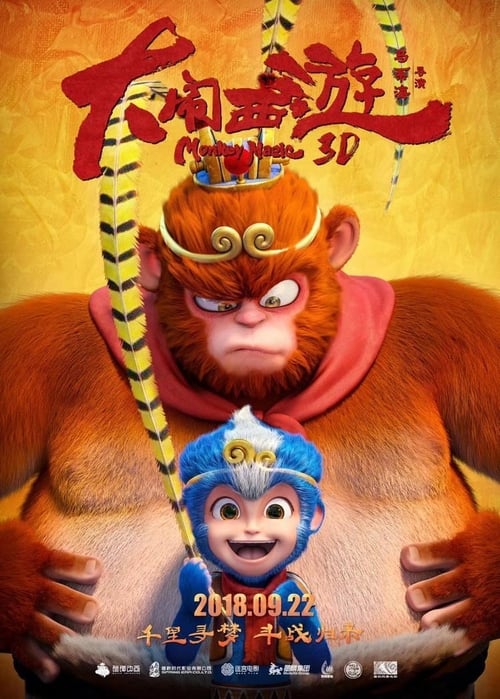
Monkey Magic
2018
No user ratings available yet
Representation score: 4.3 out of 10
Representation Score
Minimal
1960
Not RatedDirector
Daisaku Shirakawa, Taiji Yabushita
Runtime
88 minutes
Average Rating
No ratings yetNew Showbiz Analysis
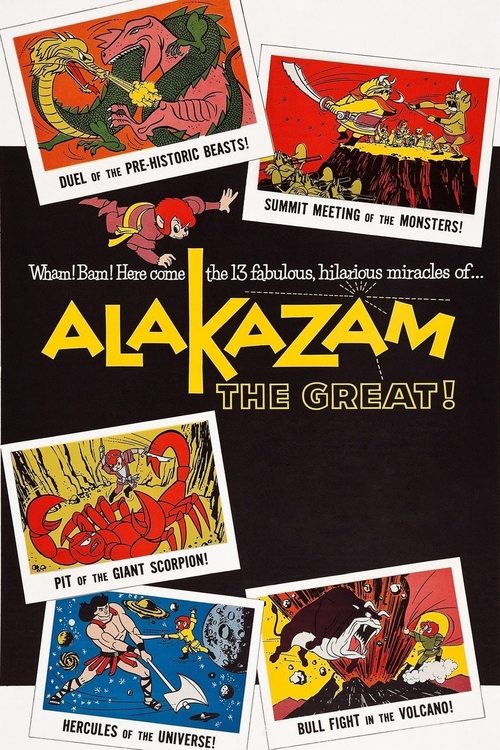
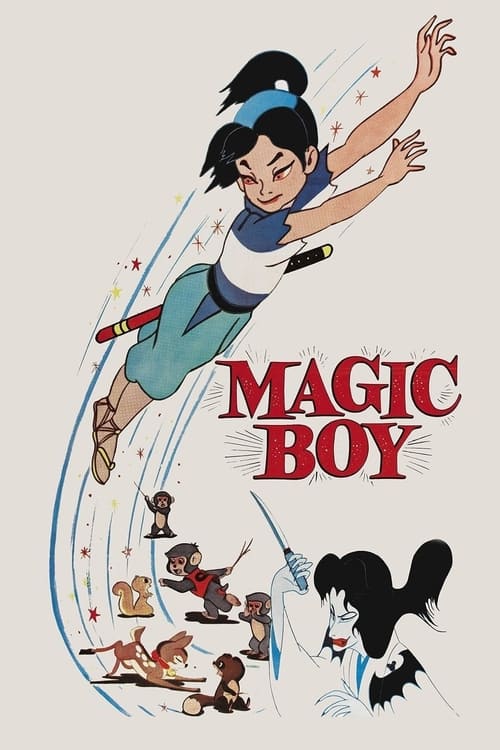
Alakazam the Great! is a cornerstone of Japanese animation that draws heavily from classical East Asian folklore. Its strength lies in its departure from Western mythological traditions by focusing on the Saiyūki mythos. However, the film remains tied to traditional hierarchies. The narrative is driven by male characters and follows a moral structure centered around atonement to divine powers, which limits its appeal to modern audiences seeking diverse representation. While it offers cultural diversity through its setting, it lacks representation of LGBTQ+ identities and neurodivergent or physical disabilities.
Category Breakdown
The film does not include any LGBTQ+ characters or stories. It sticks to traditional mythological structures without challenging the idea that everyone is assumed to be straight or cisgender.
The story revolves around male characters, particularly the Monkey King and a divine Prince. Women play less of a driving role in the adventure.
By adapting the East Asian classic Journey to the West, the film avoids Western-centric themes. It includes various non-human species like demons and monsters.
The story explores the conflict between personal rebellion and divine authority. The mission emphasizes atonement and service to a divine figure.
There is no depiction of physical or neurodivergent disabilities within the story.
Present on Screen
Limited or Absent
Official Synopsis
A monkey king who learns the secrets of magic goes on a spree and causes no end of aggravation for the gods, who finally imprison him. In order to make up for all the trouble he's caused, he is sent on a mission to accompany a prince who is the son of the gods on a journey through a land filled with dangers, monsters, cannibals and demons.
2018
1968

1991

2015
2006
1982
1959
2018
No reviews yet. Be the first to share your thoughts on this movie!
Use the rating form above to leave a star rating and optional review.