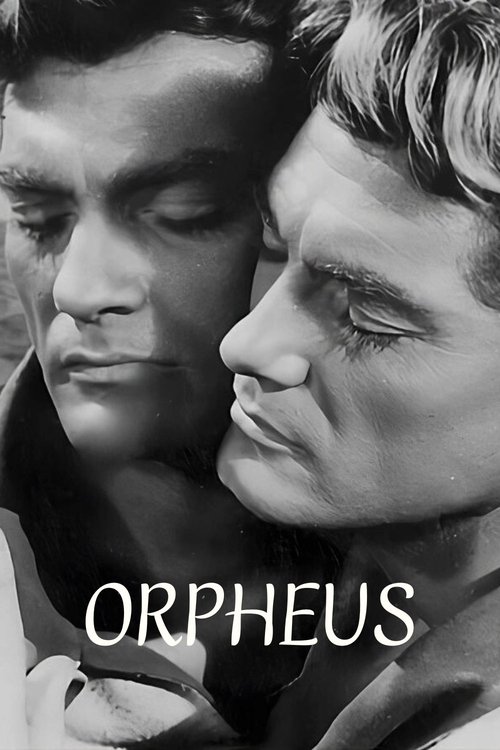
Orpheus
1950
No user ratings available yet
Representation score: 2.0 out of 10
Representation Score
Fair
1978
Director
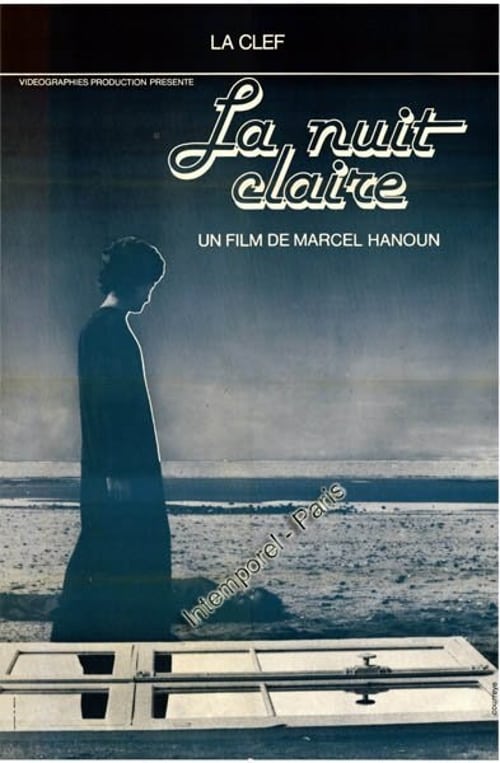
Marcel Hanoun
Runtime
85 minutes
Average Rating
No ratings yetNew Showbiz Analysis
The Bright Night is an experimental work that prioritizes mythic exploration and high-art formalism over mainstream narrative clichés. By using the Orpheus myth, the film creates a space for subjective emotional truth and the deconstruction of traditional romantic structures. However, the film remains deeply rooted in Western classical traditions. Its focus on European opera and mythic archetypes results in a lack of demographic breadth and systemic identity-based challenges. Ultimately, the film functions as an aesthetic exercise. While it succeeds in disrupting conventional storytelling through its montage structure, it does not provide explicit representation of diverse racial or social identities.
Category Breakdown
The film focuses on the romantic relationship between Anne and Julien. Although the Orpheus myth provides a framework for exploring fluid desires, there is no explicit confirmation of their queer identities.
The narrative uses a montage structure to intertwine modern romance with classical myths. This approach likely disrupts traditional hierarchies by emphasizing the characters' inner lives over typical patriarchal plot progression.
The production seems centered on Western cultural heritage and the Monteverdi tradition. There is no evidence of a non-white cast or actors playing roles traditionally associated with white characters.
The work prioritizes aestheticism and the interpretation of art over rigid social structures. This creates a secular, art-centric worldview that values individual experience and postmodern relativism.
There is no information available regarding the depiction of physical or neurodivergent disabilities in this film.
Present on Screen
Limited or Absent
Official Synopsis
In a montage alternating with moments of Nigel Rogers' interpretation of the most beautiful passages from "Orpheus," the opera by Striggio and Monteverdi, La Nuit Claire is an evocation of the celebrated myth, within which images of the love between its two modern protagonists, Anne and Julien, are inscribed. - BAM/PFA
1950

1959
1971
1993
1916
1981
2005
1990
No reviews yet. Be the first to share your thoughts on this movie!
Use the rating form above to leave a star rating and optional review.