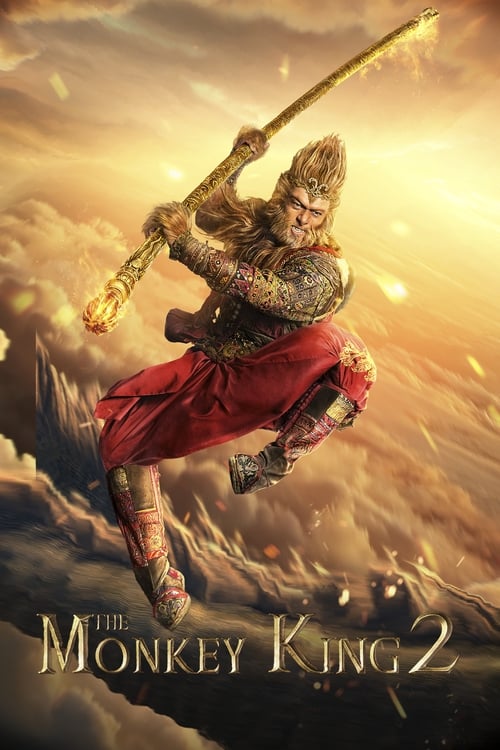
The Monkey King 2
2016
No user ratings available yet
Representation score: 4.7 out of 10

Representation Score
Fair
2014
PG-13Director
Soi Cheang
Runtime
119 minutes
Average Rating
No ratings yetNew Showbiz Analysis
The film is a culturally significant epic that succeeds in providing a non-Western perspective within the fantasy genre. By grounding the story in authentic Chinese folklore and casting established Chinese actors, it offers a vital departure from Anglo-centric blockbuster norms. However, the film remains socially conservative in its character dynamics. It relies on a patriarchal hierarchy where male protagonists hold the majority of the ability to act, and it lacks any meaningful representation of LGBTQ+ identities or disability. Ultimately, the film's value lies in its thematic depth regarding systemic disruption. While it lacks progressive social representation, its deconstruction of divine authority and institutional power provides a sophisticated narrative layer.
Category Breakdown
The film adheres to a traditional mythological framework without depicting any non-straight or non-cisgender identities. It focuses solely on martial and celestial conflicts, offering no hints of queer themes.
The story's momentum is driven mainly by male figures such as Sun Wukong. Female deities appear but conform to traditional roles without challenging patriarchal power structures.
The production stands out by focusing on a non-Western, East Asian epic. It uses Chinese actors and folklore, breaking away from the typical Western dominance in global blockbusters.
The story delves into moral relativism through Sun Wukong’s rebellion against celestial bureaucracy. This provides a nuanced critique of rigid power structures and divine authority.
Physical trauma and transformations are used as spectacle rather than exploring disability meaningfully. There is no significant focus on neurodivergence or the lived experience of disability.
Present on Screen
Limited or Absent
Official Synopsis
Sun Wukong is a monkey born from a heavenly stone who acquires supernatural powers. After rebelling against heaven and being imprisoned under a mountain for 500 years, he later accompanies the monk Xuanzang on a journey to India. Thus, according to legend, Buddhism is brought to ancient China.
2016
2015
2012
1995
2019
2003

2022
2008
No reviews yet. Be the first to share your thoughts on this movie!
Use the rating form above to leave a star rating and optional review.