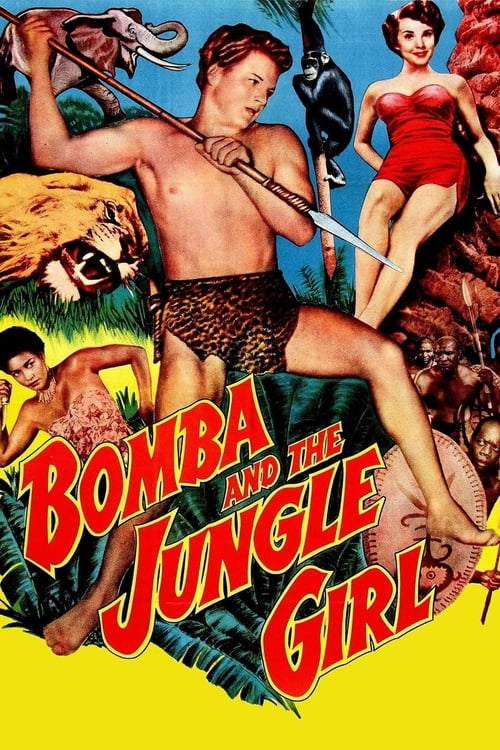
Bomba and the Jungle Girl
1952
No user ratings available yet
Representation score: 1.8 out of 10
Representation Score
Minimal
1931
PassedDirector
Clinton Childs, Paul Withington
Runtime
59 minutes
Average Rating
No ratings yetNew Showbiz Analysis
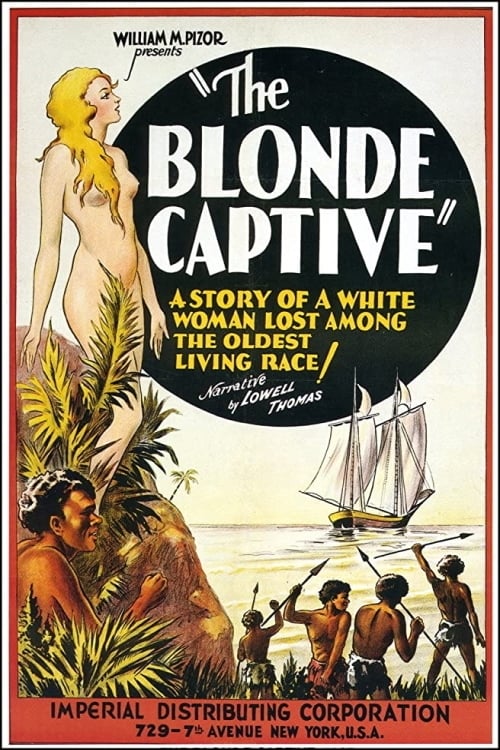
The film presents a colonialist perspective, using anthropological footage to support a sensationalized adventure narrative. While diverse global cultures are visually represented, they lack ability to act and are treated as ethnographic scenery for Western explorers. The structure reinforces traditional hierarchies, with gender roles limited to a male-driven quest for a passive female figure, and racial representation filtered through a Western-centric, scientific gaze that prioritizes discovery over character depth.
Category Breakdown
The film does not include any LGBTQ+ characters or non-straight relationships. It follows the typical social norms of the 1930s.
The story focuses on a male-led expedition searching for a lost white woman. This portrayal emphasizes traditional gender roles where women are passive objects of rescue rather than active protagonists.
Indigenous groups such as the Māori and Balinese appear in the film through anthropological footage. However, they are used as exotic backdrops for a Western-centric adventure rather than characters with individual autonomy.
The narrative prioritizes a Western perspective, presenting the expedition as a scientific endeavor for institutions like Harvard. Non-Western cultures are portrayed as curiosities to be documented and discovered.
There is no mention of characters with visible or invisible disabilities within the film.
Present on Screen
Limited or Absent
Official Synopsis
An expedition is sent into the rugged Australian outback to search for a lost white woman.
1952
1950
1982
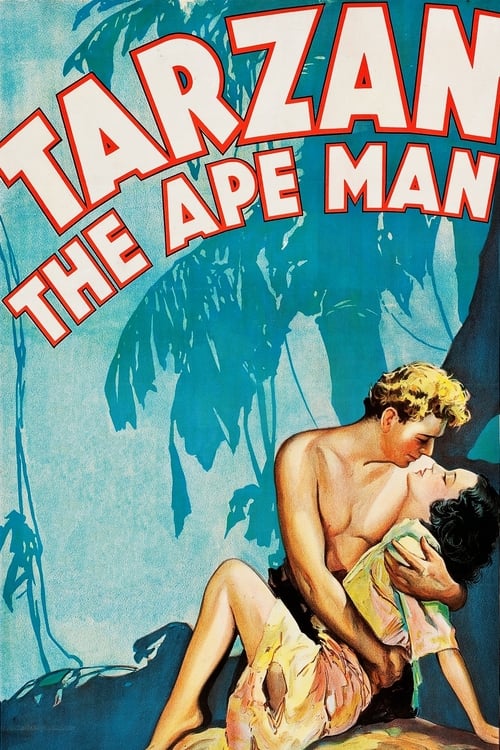
1932
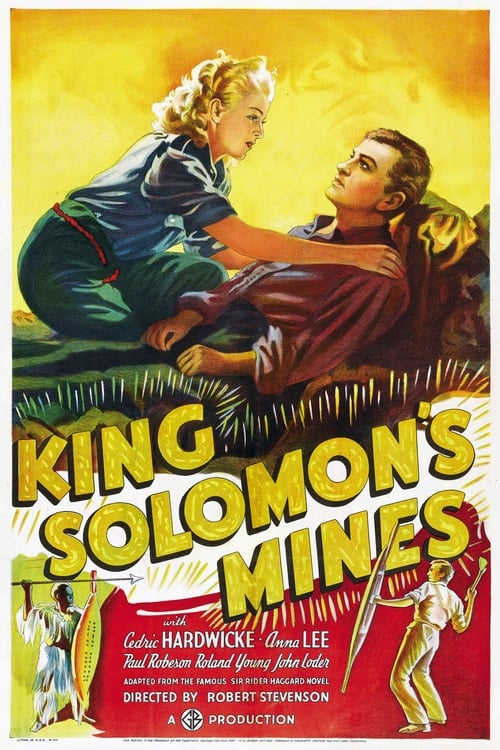
1937
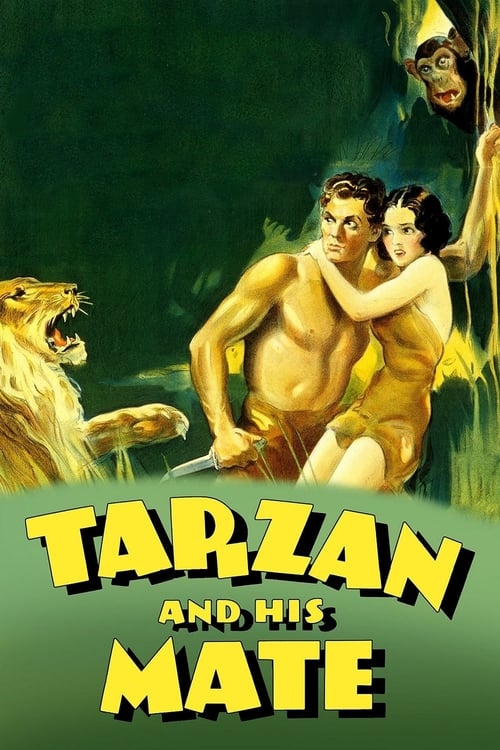
1934
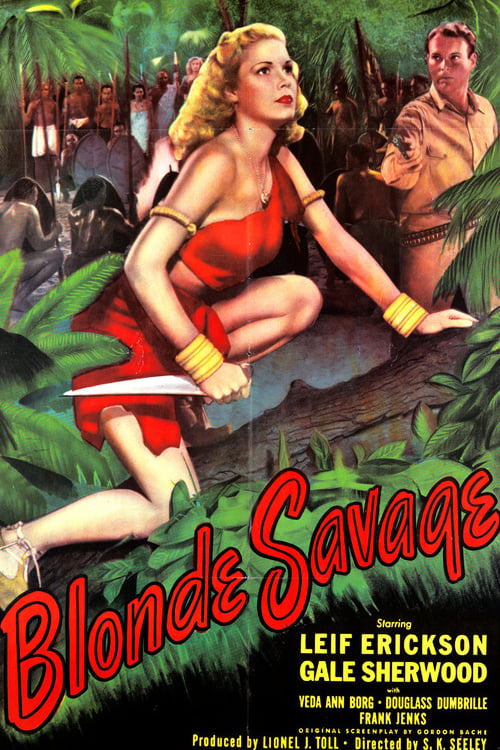
1947
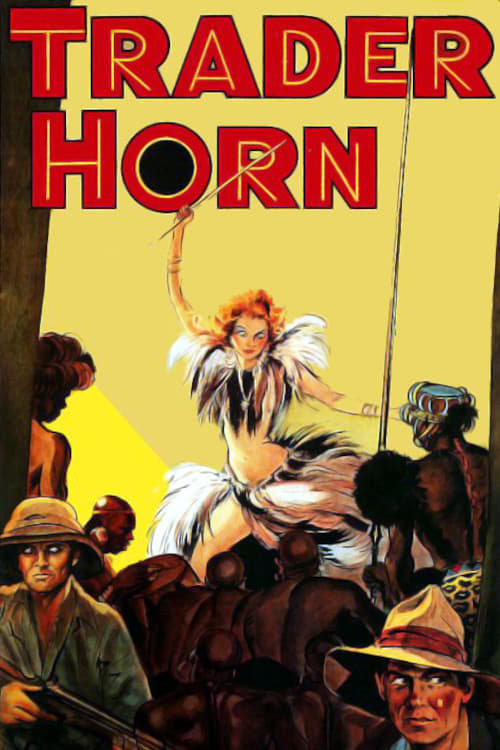
1931
No reviews yet. Be the first to share your thoughts on this movie!
Use the rating form above to leave a star rating and optional review.