
The Phenom
2016
No user ratings available yet
Representation score: 4.9 out of 10

Representation Score
Limited
1957
ApprovedDirector
Robert Mulligan
Runtime
100 minutes
Average Rating
No ratings yetNew Showbiz Analysis
Fear Strikes Out is a historically accurate biographical drama that centers on a single, historical perspective. While it offers a heartfelt depiction of mental health struggles, it remains confined by the social structures of the 1950s. The film excels in its psychological depth, allowing the protagonist to play a significant role in his mental health journey. However, it falls short in terms of diversity, particularly in gender, race, and sexual orientation. Overall, the film serves as a traditional character study that upholds rather than challenges the prevailing Western and patriarchal norms of its era.
Category Breakdown
The film does not include any LGBTQ+ characters or non-straight identities. It sticks closely to the social norms and assumptions of its 1957 production era.
The story emphasizes masculine roles and the pressures of professional sports. It upholds mid-century views of male stoicism rather than challenging traditional gender roles.
The cast is mostly uniform, reflecting the historical absence of racial diversity in Major League Baseball during this time. There is no multi-layered casting.
The narrative follows a typical Western biography format focused on individual success. It does not question traditional institutions or mid-century moral standards.
The film provides a meaningful portrayal of mental health by focusing on the protagonist's psychological issues. It presents his condition in a humane manner rather than as a subject of ridicule.
Present on Screen
Limited or Absent
Official Synopsis
True story of the life of Jimmy Piersall, who battled mental illness to achieve stardom in major league baseball.
2016

1982
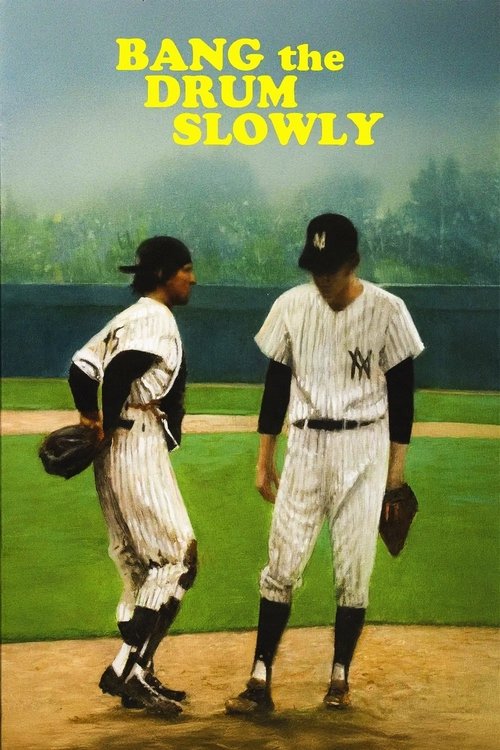
1973

2014
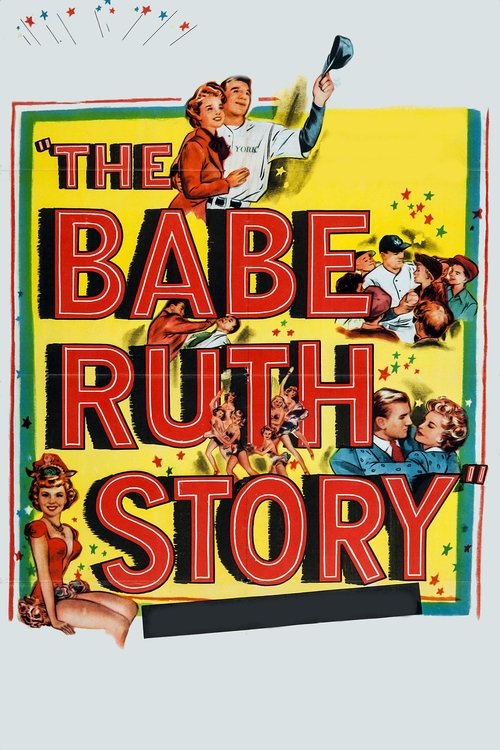
1948
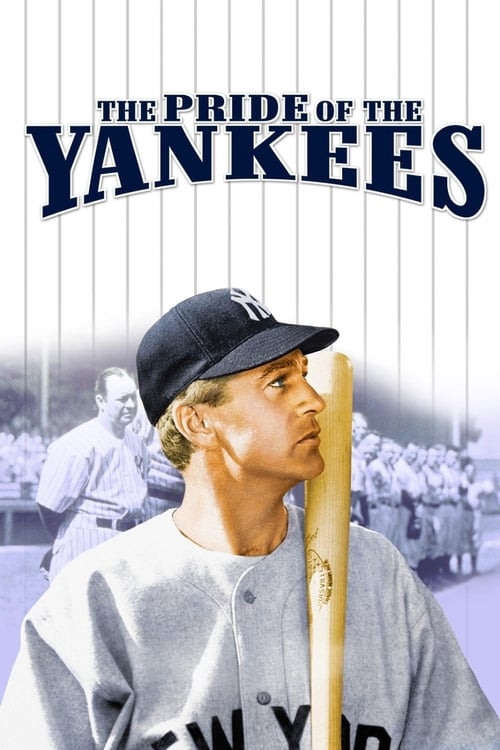
1942
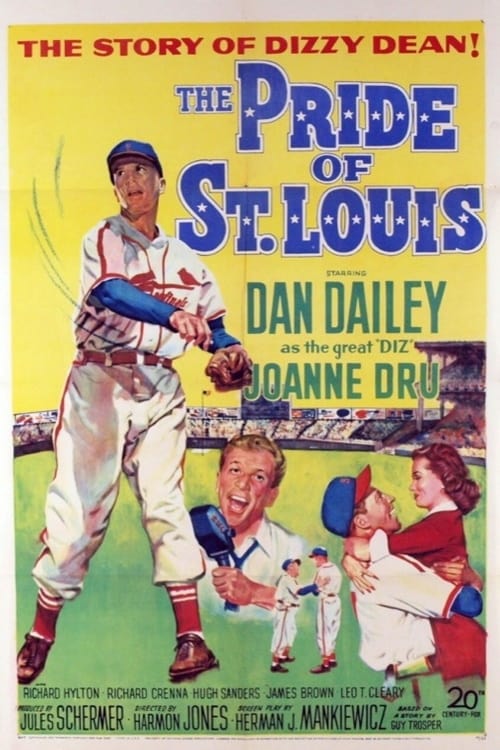
1952

1948
No reviews yet. Be the first to share your thoughts on this movie!
Use the rating form above to leave a star rating and optional review.