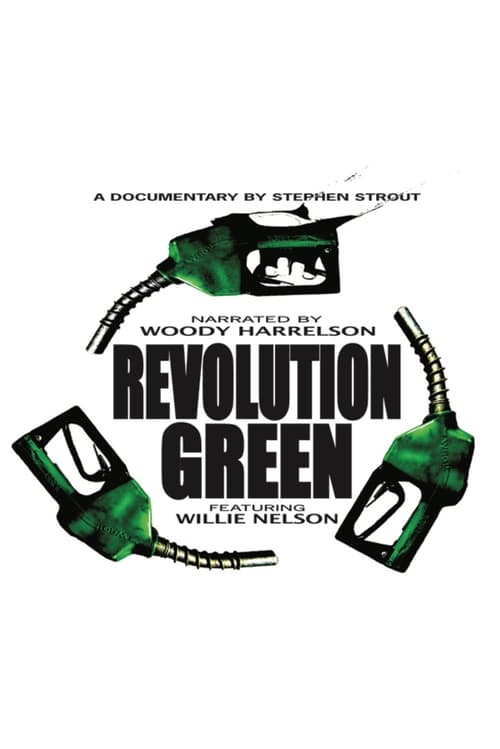
Revolution Green: A True Story...
2007
No user ratings available yet
No diversity score available
2003
TV-PGDirector
Doug Hamilton
Runtime
53 minutes
Average Rating
No ratings yetSynopsis
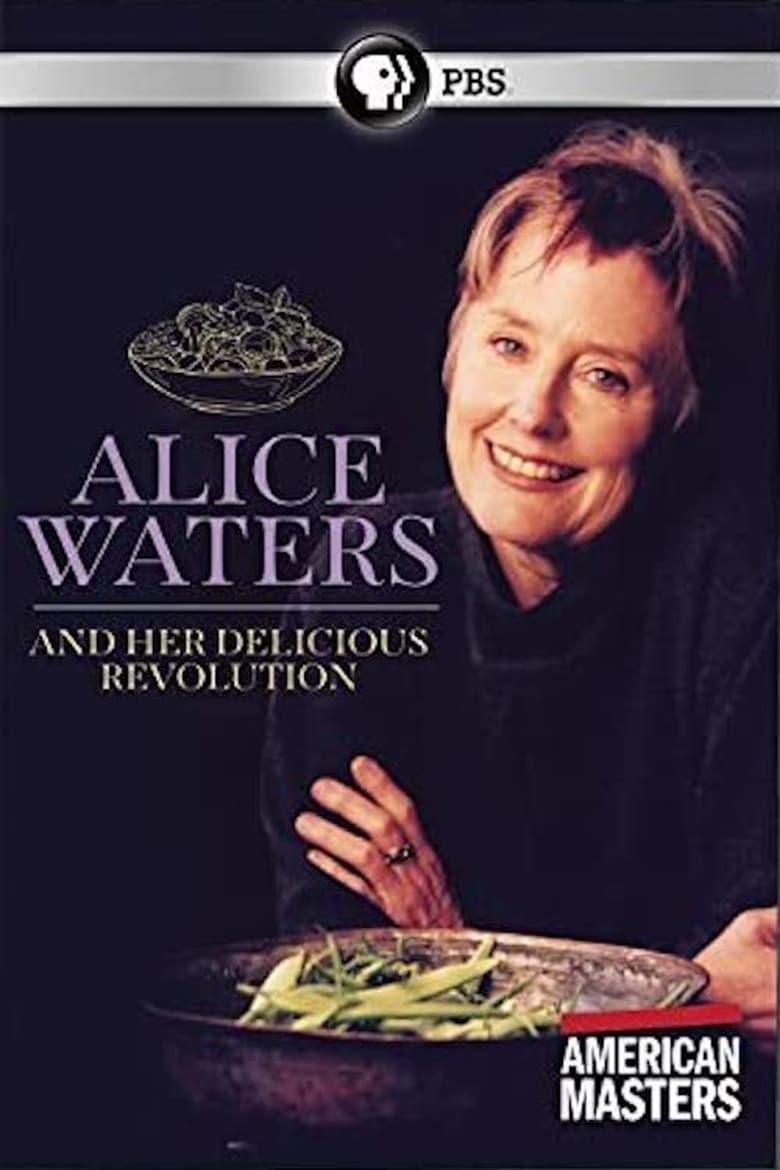
Every great cook secretly believes in the power of food. Alice Waters just believes this more than anybody else. She is certain that we are what we eat, and she has made it her mission in life to make sure that people eat beautifully. Waters is creating a food revolution, even if she has to do it one meal at a time.
Overall Score
Fair
Category Breakdown
LGBTQ+ Representation
The film lacks explicit LGBTQ+ character arcs or non-cisnormative narratives. The focus remains strictly on culinary philosophy rather than identity-based social dynamics.
Gender Representation
Alice Waters is positioned as a central leader in the professional culinary arts. This disrupts traditional patriarchal hierarchies by centering a woman as the architect of a major cultural movement.
Racial & Ethnic Diversity
The documentary emphasizes local sourcing and regional agriculture but lacks clear evidence regarding the racial composition of the cast. It prioritizes philosophical shifts over intersectional demographic representation.
Religious & Cultural Diversity
The narrative critiques industrial capitalism in favor of localized, sustainable economic models. It promotes food sovereignty that challenges the hegemony of Western industrial food systems.
Disability Representation
There is no discernible evidence regarding the portrayal of physical disabilities or neurodivergence. The film maintains a neutral stance on this specific vector.
Strengths
Areas for Improvement
AI Analysis
The documentary succeeds in subverting professional and economic hierarchies. By centering Alice Waters, it challenges the male-dominated landscape of high-level culinary leadership and positions a woman as a primary agent of systemic change. However, the film's scope is largely ecological and philosophical. It lacks a broad intersectional lens, as it does not explicitly address racial, disability, or LGBTQ+ identities within its narrative framework. Ultimately, the film's progressive qualities stem from its critique of standardized, capitalist-driven food systems, favoring a decentralized model of production over corporate hegemony.
2007

2017
2020
2017

2006

2016

2014
2010
2020
2015

2005

2016
No reviews yet. Be the first to share your thoughts on this movie!
Use the rating form above to leave a star rating and optional review.