Seed: The Untold Story
2016
No user ratings available yet
Representation score: 5.9 out of 10
Representation Score
Limited
2014
GDirector
Julie Perron
Runtime
77 minutes
Average Rating
No ratings yetNew Showbiz Analysis
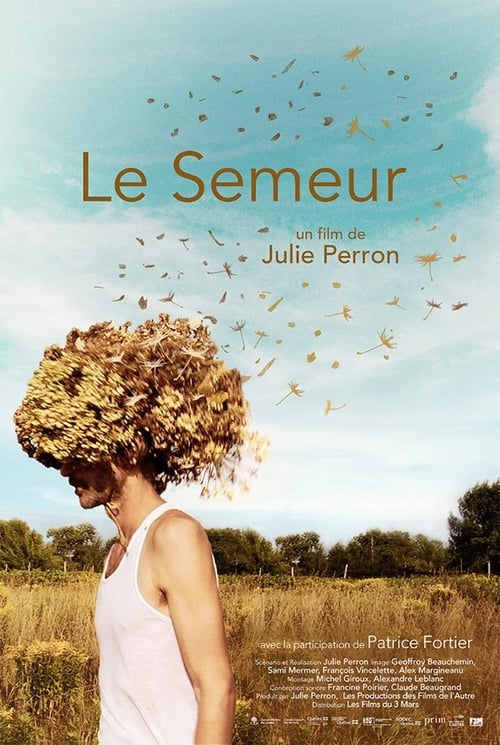
The Sower is primarily an ecological character study rather than a film focused on social identity politics. Its main strength lies in its cultural critique of modern industrial agriculture. By promoting biodiversity and 'old futures,' the film provides a nuanced alternative to extractive land management. However, the film lacks significant representation of diverse racial or gender identities. It also does not address LGBTQ+ identities or non-cisgender characters. Overall, the documentary excels as a thematic exploration of non-industrial stewardship, though it remains narrow in its social scope.
Category Breakdown
The documentary focuses on the botanical work of Patrice Fortier and does not include any LGBTQ+ characters or narratives related to non-cisgender identities.
The film features a male protagonist but avoids the typical hyper-masculine stereotypes associated with agricultural dominance. Instead, it highlights a meditative and nurturing approach to plant care.
The film concentrates on a specific local population in Kamouraska, Quebec, and serves as a study of regional heritage rather than a diverse ethnic mix.
By criticizing industrial capitalism, the film emphasizes the importance of biodiversity and heritage. It portrays the preservation of rare seeds as a spiritual link to ecological continuity.
There is no documented evidence regarding the portrayal of physical or neurodivergent disabilities in this work.
Present on Screen
Limited or Absent
Official Synopsis
In the heart of Kamouraska in Quebec, Patrice Fortier lives at “La société des plantes” (The Society of Plants). There, like a transcriber of the middle ages, he diligently cares for the rare and forgotten plant seeds to create a variety of so-called “old futures.” Patrice dreams up his garden and turns his crops into art projects. Over time, and with patience, he passes on his passion and his knowledge to us through his seed bank. These seeds of life will appear in thousands of gardens throughout the world. An ode to plant biodiversity and to our heritage, brought forth by a true and genetically motivated sower.
2016

2000

2018
2019
2016
2019
2022
2016
No reviews yet. Be the first to share your thoughts on this movie!
Use the rating form above to leave a star rating and optional review.