
Lucky Night
1939
No user ratings available yet
Representation score: 1.4 out of 10
Representation Score
Minimal
1944
NRDirector
Richard Whorf
Runtime
69 minutes
Average Rating
No ratings yetNew Showbiz Analysis
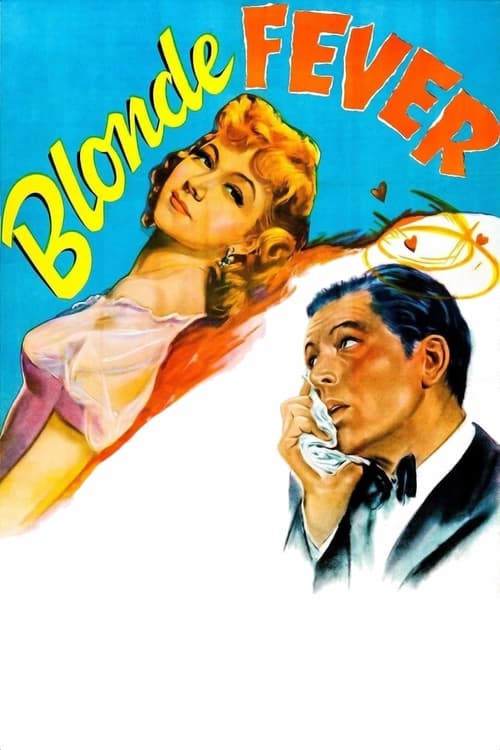
Blonde Fever is a mid-century domestic comedy-drama that adheres strictly to the conventional social structures of its era. The narrative is built upon traditional marital instability and materialist motivations, using archetypal characters to drive the plot. The film lacks multi-layered complexity, focusing instead on a heterosexual triad and the impact of a sudden lottery win. It reinforces historical gender stereotypes and maintains a homogeneous social environment typical of 1940s studio productions. Ultimately, the film functions as a study of traditional domestic conflict and economic windfall rather than a vehicle for diverse representation or systemic critique.
Category Breakdown
The film focuses solely on heterosexual relationships, featuring a married couple and a secondary relationship involving a boyfriend.
The story relies on traditional clichés, such as the sultry outsider disrupting a marriage. While Delilah takes a leading role in retaliation, Sally is portrayed through the 'gold digger' archetype.
The setting and character names suggest a predominantly Anglo-Saxon cast. The narrative appears to follow the homogeneous social norms typical of bk1940s American cinema.
Conflict is driven by capitalism and sudden wealth rather than cultural critique. The narrative reinforces traditional Western familial structures and conventional economic aspirations.
There is no mention of characters navigating physical, sensory, or neurodivergent experiences within the story.
Present on Screen
Limited or Absent
Official Synopsis
Peter and Delilah are a married couple running a roadside café in Nevada. Their stable partnership turns rocky, though, with the arrival of the sultry Sally, a waitress who catches Peter's wandering eye. Delilah strikes back by hiring Sally's boyfriend as a waiter. Sally is initially dismissive of Peter's advances, but when he wins $40,000 in a lottery, she quickly pounces, turning on the charm and eyeing the easy life.
1939
1939
1939

1942

1940
1948
1935
1942
No reviews yet. Be the first to share your thoughts on this movie!
Use the rating form above to leave a star rating and optional review.