
Tinker Bell and the Legend of the NeverBeast
2014
No user ratings available yet
Representation score: 3.5 out of 10
Representation Score
Limited
2008
GDirector
Robert Stevenhagen, Sam Fell
Runtime
93 minutes
Average Rating
No ratings yetNew Showbiz Analysis
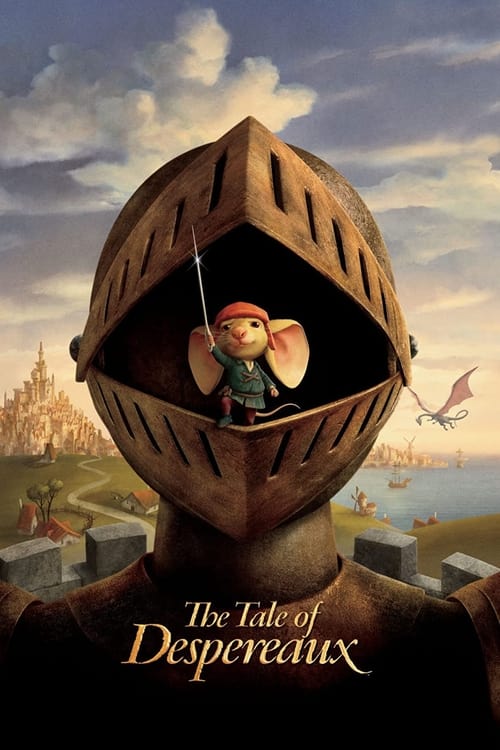
The Tale of Despereaux is a classic heroic epic that emphasizes traditional moral archetypes over progressive social disruption. It relies on established storytelling structures that reinforce existing hierarchies of authority and gender. While the film explores themes of individual ability to act and being an outsider, these are framed through a lens of knightly virtue rather than systemic critique. The narrative focuses on character-driven morality rather than characters who reflect more than one aspect of diversity. Ultimately, the film serves as a standard family adventure. It offers a nuanced look at personal character but lacks the intentionality to challenge conventional social or cultural norms.
Category Breakdown
The film does not include any LGBTQ+ characters or non-cisgender identities. Character dynamics revolve around traditional companionship and heroic archetypes within a straight-centered context.
Princess Pea frequently functions as a damsel in distress, adhering to conventional roles. However, the film passes the Bechdel test, and Despereaux challenges typical mouse behavior through chivalrous actions.
As an anthropomorphic fantasy, the film lacks human racial diversity. Social stratification is shown through species-based hierarchies between mice and rats rather than human demographics.
The story promotes a traditional view of virtue and the sanctity of monarchy. It uses a binary moral framework of light versus darkness without critiquing Western institutions.
Despereaux’s oversized ears mark him as different and grant him a sense of ability to act. However, the film does not address neurodivergence or chronic illness as lived experiences.
Present on Screen
Limited or Absent
Official Synopsis
Once upon a time... in the far away kingdom of Dor... lived a brave and virtuous mouse with comically oversized ears who dreamt of becoming a knight. Banished from his home for having such lofty ambitions, Despereaux sets off on an amazing adventure with his good-hearted rat friend Roscuro, who leads him, at long last, on a very noble quest to rescue an endangered princess and save an entire kingdom from darkness.
2014
2007
2011

1997

2006
2006
2006
1993
No reviews yet. Be the first to share your thoughts on this movie!
Use the rating form above to leave a star rating and optional review.