
Cado dalle nubi
2009
No user ratings available yet
Representation score: 3.2 out of 10
Representation Score
Limited
2004
Director
Davide Cocchi
Runtime
93 minutes
Average Rating
No ratings yetNew Showbiz Analysis
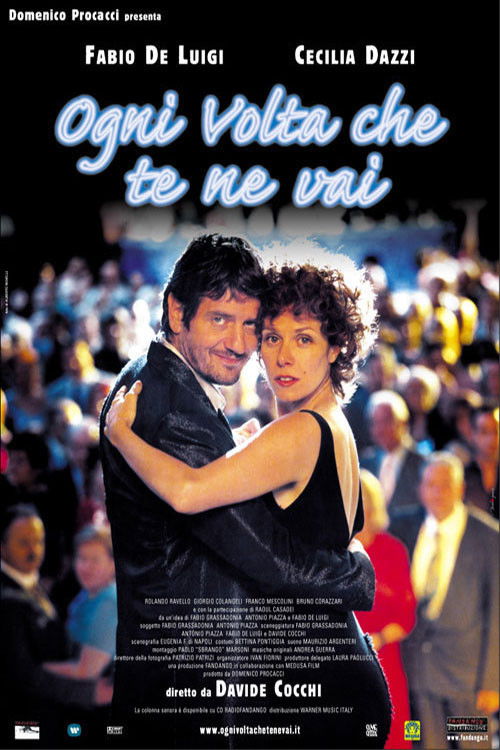
Ogni volta che te ne vai is a character-driven comedy that prioritizes the personal rhythms of a bizarre love story. While the film offers some autonomy to its female lead, it lacks broader systemic representation. The narrative focuses on individual pursuits rather than deconstructing social hierarchies. This results in a story centered on personal emotional truths rather than broader social commentary. Ultimately, the film remains within conventional narrative boundaries, offering moderate character autonomy but lacking intentional subversion of racial or queer identities.
Category Breakdown
The film focuses on a romantic relationship between Orpheus and Pamela. There is no explicit depiction of LGBTQ+ identities or challenges to traditional heterosexual relationships.
Pamela is portrayed as a free and elusive figure, suggesting a departure from traditional submissive feminine roles. She exhibits autonomy and independence, which contrasts with typical feminine archetypes.
The narrative follows a conventional storyline without evidence of non-white majority casting. It does not disrupt Eurocentric casting norms.
The story emphasizes music, dreams, and emotional complexity, focusing on individual pursuits. This focus on personal experiences suggests a move toward subjective truth over rigid social structures.
The provided information contains no mention of characters with visible or invisible disabilities.
Present on Screen
Limited or Absent
Official Synopsis
Orpheus was a child with a dream: to become a singer of smooth. Twenty years later, his dream becomes more complicated: to become a smooth singer with Pamela. And while she, free and elusive, continues to come and go in her life, music and dreams mark the rhythm of this bizarre love story.
2009

2000

2003

2008

2010

2000

1991

2011
No reviews yet. Be the first to share your thoughts on this movie!
Use the rating form above to leave a star rating and optional review.