
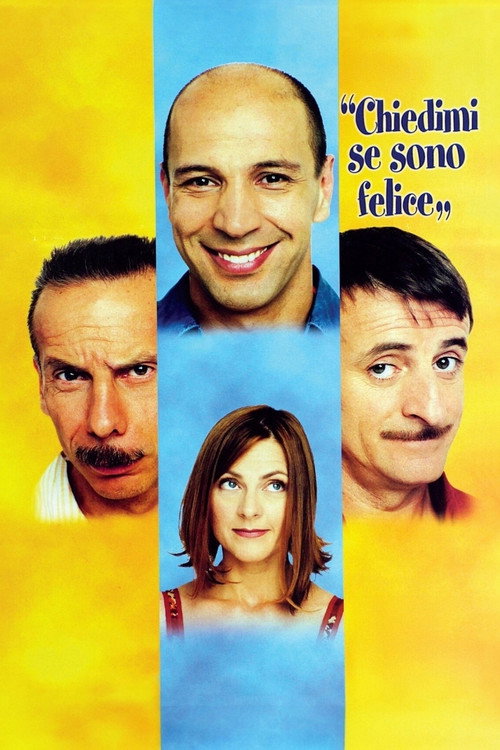
Just Like Brothers
2012
No user ratings available yet
Representation score: 2.1 out of 10
Representation Score
Fair
2000
Director
Giovanni Storti, Aldo Baglio, Giacomo Poretti, Massimo Venier
Runtime
100 minutes
Average Rating
No ratings yetNew Showbiz Analysis
The film is a character-driven ensemble comedy that relies on traditional narrative structures. It emphasizes the interpersonal dynamics of a specific cultural group, focusing on personal struggles rather than broader social commentary. The work adheres to the demographic and narrative norms of its specific cultural and temporal context, lacking significant diversity in gender, race, or identity.
Category Breakdown
The film follows a traditional romantic storyline focusing on three male characters and one female character. There is no representation of LGBTQ+ identities.
The male characters play a significant role in driving the story, while the female character mainly serves as a catalyst for conflict and an object of desire, rather than an independent driver.
The film features a homogeneous Mediterranean cast, consistent with its Italian comedy troupe origins. There is no indication of a multi-ethnic ensemble or diverse casting.
The story delves into themes of ambition and mortality through the experiences of aspiring artists. It touches on economic stagnation but focuses on personal emotional arcs rather than broader societal issues.
A character faces a terminal illness, but it is unclear if this is handled with ability to act or used as a sentimental device. No representation of neurodivergent individuals or visible disabilities is present.
Present on Screen
Limited or Absent
Official Synopsis
Aspiring thespians Aldo, Giovanni and Giacomo work dead-end jobs while nurturing their dream production of Cyrano de Bergerac, until love for the same woman tears their friendship apart. Three years later, Giovanni and Giacomo reunite after learning that Aldo is dying.
2012

2011
1997
1981
2014

2021
1996

2021
No reviews yet. Be the first to share your thoughts on this movie!
Use the rating form above to leave a star rating and optional review.