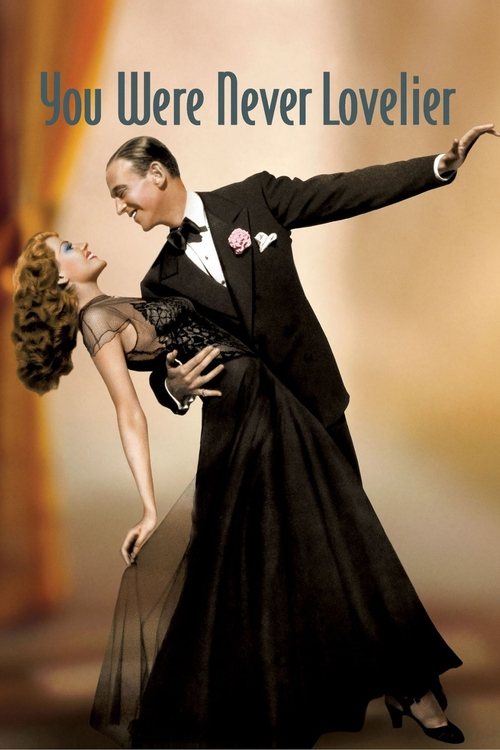
You Were Never Lovelier
1942
No user ratings available yet
Representation score: 0.6 out of 10
No Poster Available
Representation Score
Limited
1938
ApprovedDirector
Jaime Salvador
Runtime
82 minutes
Average Rating
No ratings yetNew Showbiz Analysis
Castles in the Air is a period-specific romantic comedy that prioritizes escapism and social maneuvering. While the protagonist uses deception to navigate her status as a typist, the film ultimately adheres to the traditional structures of 1938. The production focuses on Eurocentric social climbing and the allure of Hollywood. It lacks multi-layered complexity, as the narrative resolution is tied to romantic union and the preservation of social norms. Ultimately, the film functions as a traditional genre piece. It offers minor instances of female influence through social performance but does not challenge the systemic norms of its era.
Category Breakdown
The film follows a conventional romantic relationship between Lolita and Alberto. There is no indication of LGBTQ+ identities or same-sex intimacy.
Lolita uses deception to navigate class hierarchies, showing a significant role in driving the story. However, the plot remains focused on traditional gender roles and romantic clichés.
The story maintains a predominantly white cast during the journey to Hollywood. No non-white characters are given substantial roles or ability to act.
This escapist comedy romanticizes high society and Western aspirations. It reinforces traditional class hierarchies without challenging them.
The narrative contains no visible or invisible disabilities. No characters have specific physical or neurodivergent needs.
Present on Screen
Limited or Absent
Official Synopsis
After winning a trip to Hollywood, office typist Lolita Álvarez (Cristina Téllez) travels to the city of dreams on an ocean liner in the company of her aunt Gertrudis (Pilar Arcos). During the trip, she meets and falls for banker Alberto Guzmán (Rafael Alcayde), mistaking him for a prince while she herself pretends to be a well-travelled socialite. The film features a flamenco-inspired tap dancing scene performed by dancer Edith Davis.
1942
1937
1932
1948
1933
1954
1940
1943
No reviews yet. Be the first to share your thoughts on this movie!
Use the rating form above to leave a star rating and optional review.