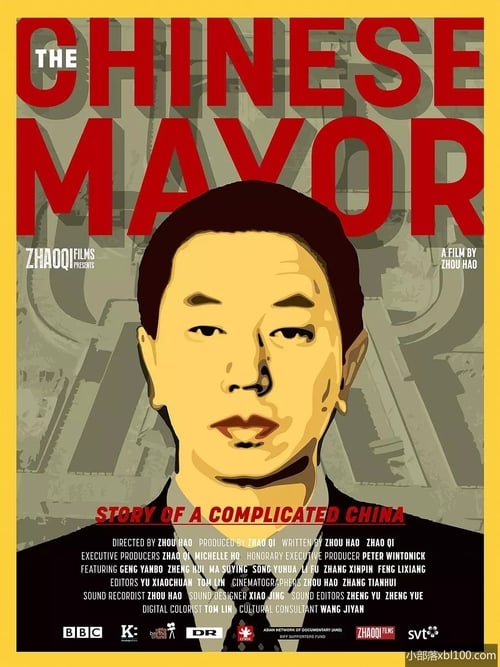
The Chinese Mayor
2015
No user ratings available yet
Representation score: 3.3 out of 10
Representation Score
Fair
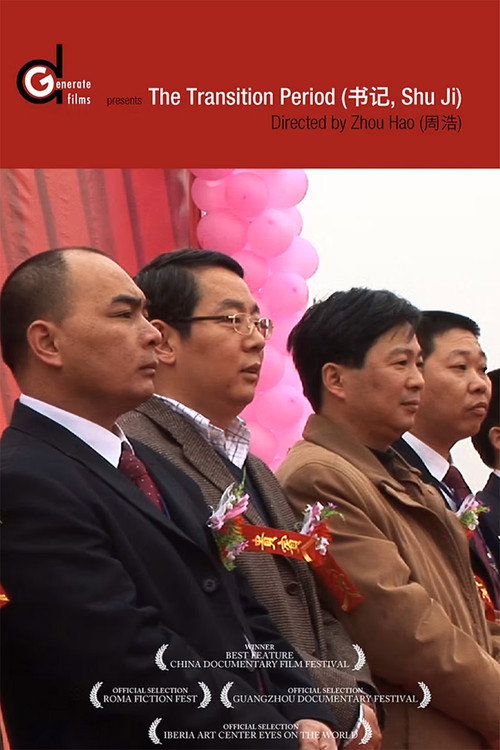
2009
Director
Zhou Hao
Runtime
113 minutes
Average Rating
No ratings yetNew Showbiz Analysis
The film serves as a gritty, observational study of systemic power rather than a platform for identity-based representation. It prioritizes the deconstruction of institutional corruption and the friction between individual ability to act and state structures. While it lacks diversity in terms of gender and LGBTQ+ visibility, it succeeds in providing a rare, localized look at rural Chinese life. This provides a necessary counter-narrative to more polished, coastal-centric depictions of the country. Ultimately, the work's value lies in its refusal to provide a hagiographic view of authority, instead choosing to highlight the moral compromises required by rapid economic development.
Category Breakdown
The documentary does not include explicit LGBTQ+ characters or narratives. The focus remains on macro-political and economic functions within traditional social structures.
The male protagonist, Guo Yongchang, plays a central role. The film reflects traditional gendered power dynamics by centering masculine-coded spheres of political and industrial management.
The film provides visibility to the inland working class in rural Henan. It disrupts coastal-centric biases by centering a demographic often underrepresented in global media.
The film offers a complex critique of institutional power and capitalist expansion. It documents the moral ambiguity and systemic corruption inherent in the pursuit of economic growth.
There is no specific evidence regarding the portrayal of characters with physical or neurodivergent disabilities.
Present on Screen
Limited or Absent
Official Synopsis
As Chinese Communist Party secretary, Guo Yongchang was the most powerful man in his county, located in the rural inland province of Henan. Guo invited acclaimed documentary filmmaker Zhou Hao to record his final months in office. Through Zhou’s lens, we see Guo work tirelessly to achieve his greatest desire: for Henan to match the affluence of booming coastal areas. Zhou also captures the sordid details of local-level politics in pursuit of growth: lavish parties with foreign investors, threats to local workers protesting unpaid wages, and offers of bribes and kickbacks. (dGenerate Films)
2015
2015
2015
2020
2009
2019
2008
2019
No reviews yet. Be the first to share your thoughts on this movie!
Use the rating form above to leave a star rating and optional review.