Crime and Punishment
2007
No user ratings available yet
Representation score: 6.2 out of 10
Representation Score
Good
2009
Director
Zhao Liang
Runtime
120 minutes
Average Rating
No ratings yetNew Showbiz Analysis
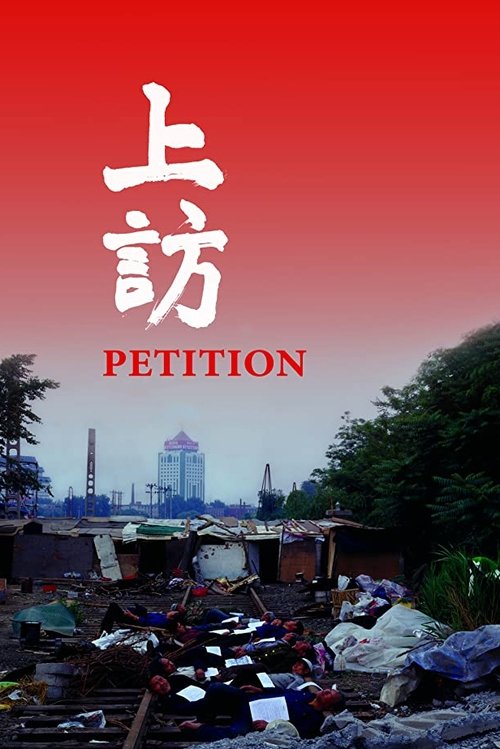
Zhao Liang’s *Petition* is a powerful exercise in cinematic subversion that disrupts traditional documentary conventions. By utilizing surreptitious filming, the work bypasses the authoritative gaze of state institutions to center the lived experiences of those navigating systemic friction. The film functions as a profound critique of institutional power, using a realist aesthetic to explore the tension between individual ability to act and bureaucratic structures. It elevates underrepresented voices to challenge the traditional hierarchy of official history. While the film excels at portraying socioeconomic and cultural struggles, it lacks representation for LGBTQ+ identities and does not explicitly address disability as a central theme.
Category Breakdown
The documentary focuses on socio-legal struggles within a specific political framework. There is no clear evidence of LGBTQ+ narratives or non-cisgender identities within the footage.
Women are shown as active, resilient participants in a high-stakes political struggle. The film avoids traditional domestic roles, depicting them as navigators of the petitioning process with significant influence.
The film highlights the diverse socioeconomic backgrounds of rural and working-class Chinese citizens. It provides a nuanced look at populations often overlooked by state-driven narratives of progress.
The narrative critiques centralized authority and the corrosive effects of unchecked capitalism. It emphasizes individual rights over state-mandated stability by highlighting the human cost of rapid economic expansion.
The film does not explicitly center on disability as a primary theme. However, it captures the physical and psychological toll, exhaustion, and trauma experienced by those sidelined by the system.
Present on Screen
Limited or Absent
Official Synopsis
The dysfunctional Chinese justice system allows citizens with grievances against their local governments to petition the court to clear or correct their record. Yet in order to do so, the petitioners must travel to Beijing to file paperwork and wait an indefinite period to plead their case. Following the saga of a group of petitioners over the years of 1996 and 2008, Petition unfolds like a novel by Zola or Dickens. This was filmed surreptitiously from the point of view of the petitioners, and not the justice officials, the police, or those heavies sent by the municipalities.
2007

2011

2021

2019

2008
2012
2013

2020
No reviews yet. Be the first to share your thoughts on this movie!
Use the rating form above to leave a star rating and optional review.