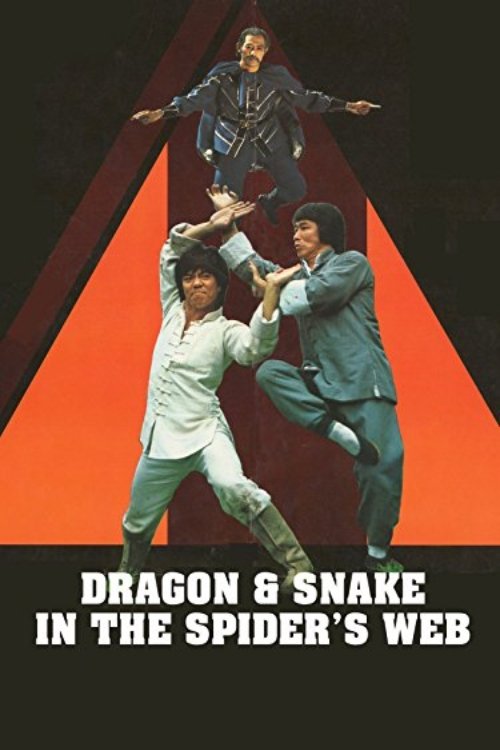
Challenge of Death
1978
No user ratings available yet
Diversity score: 2.9 out of 10

1975
RDirector
Charles Bail
Runtime
94 minutes
Average Rating
No ratings yetSynopsis
When fellow operatives and friends disappear during a mission in Hong Kong, Cleopatra Jones comes to help. She discovers the disappearance involves The Dragon Lady, a feared lipstick lesbian who runs a casino and the local drug trade.
Overall Score
Good
Category Breakdown
LGBTQ+ Representation
The film introduces The Dragon Lady, a powerful antagonist identified as a 'lipstick lesbian.' While this disrupts heteronormative tropes, the character's identity is tied to a villainous role.
Gender Representation
Cleopatra Jones subverts traditional hierarchies by occupying a masculine-coded space as a high-stakes operative. She serves as a decisive leader rather than a passive participant in the action.
Racial & Ethnic Diversity
The narrative challenges 1970s norms by centering a Black female lead in a global Hong Kong setting. This multi-ethnic approach moves away from the era's typical Anglo-centric protagonists.
Religious & Cultural Diversity
The story critiques systemic corruption through its depiction of drug trades and criminal syndicates. It uses the action genre to question established power structures and institutional stability.
Disability Representation
There is no verifiable evidence regarding the portrayal of physical or neurodivergent disabilities within the film.
Strengths
Areas for Improvement
AI Analysis
Cleopatra Jones and the Casino of Gold stands as a significant example of genre subversion for the mid-1970s. By placing a Black woman in a position of high agency and authority, the film disrupts the racial and gendered hierarchies common in action cinema of that era. The film's strength lies in its globalized perspective, moving beyond white-centric narratives to feature a Black protagonist navigating an Asian landscape. This intersectional approach provides a more diverse framework than most contemporary action films. However, the representation of LGBTQ+ identity remains somewhat transitional. While the inclusion of a non-heteronormative antagonist is progressive, the characterization leans into established tropes by framing her identity through a villainous lens.
1978

1980
1970

1969

1983
1956
No reviews yet. Be the first to share your thoughts on this movie!
Use the rating form above to leave a star rating and optional review.