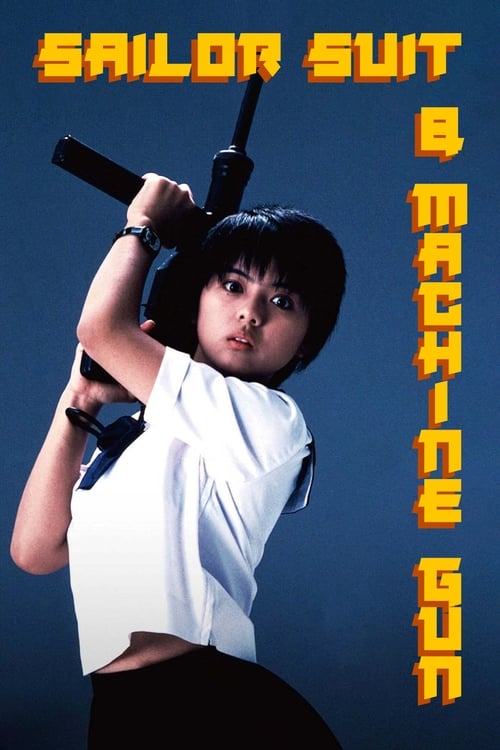
Sailor Suit and Machine Gun
1981
No user ratings available yet
Representation score: 7.5 out of 10
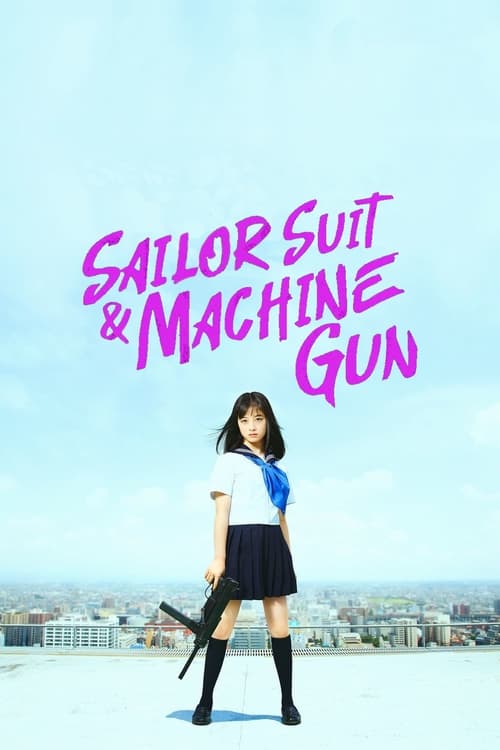
Representation Score
Fair
2016
Director
Kôji Maeda
Runtime
112 minutes
Average Rating
No ratings yetNew Showbiz Analysis
The film's primary achievement is the subversion of gendered power dynamics. By positioning a female character as a former yakuza leader with high-stakes ability to act, the narrative challenges standard expectations of female passivity in action cinema. However, the work remains conventional in its demographic composition. It lacks explicit engagement with LGBTQ+ or multi-layered identity politics, which limits its broader progressive reach. The production is culturally specific and homogeneous, focusing on a localized Japanese context rather than a globalized or diverse cast.
Category Breakdown
The film does not include any explicit LGBTQ+ characters or narratives. The story focuses on the protagonist's journey from a criminal underworld to civilian life without addressing non-straight relationships or identities.
Izumi Hoshi disrupts traditional gender roles by centering a female protagonist with significant physical ability to act. Her past as a leader of a yakuza group challenges traditional patriarchal structures and avoids passive female roles.
The production features a homogeneous Japanese cast consistent with its cultural context. It operates within a specific framework without evidence of whitewashing or Western casting norms.
The narrative explores moral complexity and the tension between individual justice and institutional law. It presents a sympathetic vigilante figure within a localized cultural setting.
There is no discernible information regarding the portrayal of physical or neurodivergent disabilities in the film.
Present on Screen
Limited or Absent
Official Synopsis
Izumi Hoshi is senior in high school, but she led a small yakuza group in her past. After killing her uncle's murderer with a machine gun, her yakuza group disbanded. Izumi now lives an ordinary life as a high school student and works as a manager at a cafe. A dangerous situation soon awaits for Izumi.
1981
2007
2021
1987

2022

2021
2019
No reviews yet. Be the first to share your thoughts on this movie!
Use the rating form above to leave a star rating and optional review.