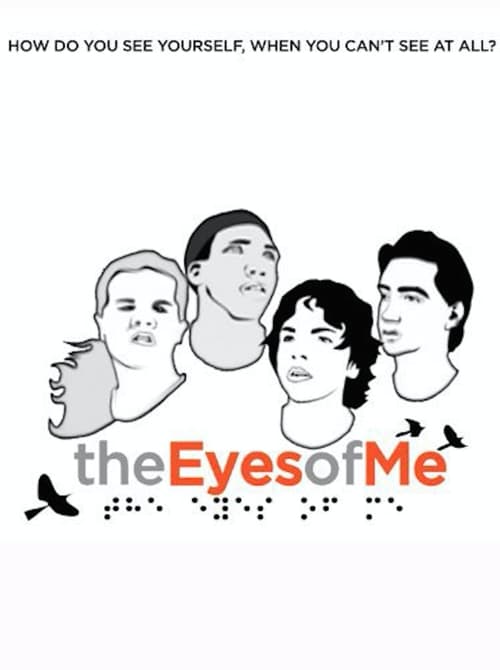
The Eyes of Me
2009
No user ratings available yet
Diversity score: 5.7 out of 10

1979
Director
Ira Wohl
Runtime
111 minutes
Average Rating
No ratings yetSynopsis
In this documentary, the director follows the day-to-day activities of his retarded, middle-aged cousin Philly, over a three-year period.
Overall Score
Fair
Category Breakdown
LGBTQ+ Representation
The film lacks explicit evidence of LGBTQ+ characters or narratives. The focus remains on the domestic life of the central figure, Philly.
Gender Representation
The documentary centers on a male subject's lived experience. It does not provide evidence of female characters or the subversion of gender hierarchies.
Racial & Ethnic Diversity
There is no information regarding the racial composition of the cast or setting. The film likely reflects the director's immediate social environment.
Religious & Cultural Diversity
The narrative challenges traditional notions of productivity by centering an individual with intellectual disabilities. It critiques standard metrics of societal normalcy.
Disability Representation
The film excels by granting agency to a person with an intellectual disability. The three-year longitudinal approach documents authentic, mundane realities rather than using disability as a plot device.
Strengths
Areas for Improvement
AI Analysis
Best Boy is a deeply personal documentary that finds its strength in its intimate, longitudinal study of a single individual. By following Philly over three years, the film avoids superficial tropes and provides a rare, authentic look at life with an intellectual disability. However, the film's narrow focus on a single familial unit results in a lack of visible intersectional diversity. There is little evidence of representation regarding race, gender, or LGBTQ+ identities, making the social scope feel limited. Ultimately, while the film is a landmark for disability visibility, its overall diversity is constrained by its specific, localized subject matter.
2009

1999

1992

2013

2016
2005
1981
1999

1980
1988

2010
1986
No reviews yet. Be the first to share your thoughts on this movie!
Use the rating form above to leave a star rating and optional review.