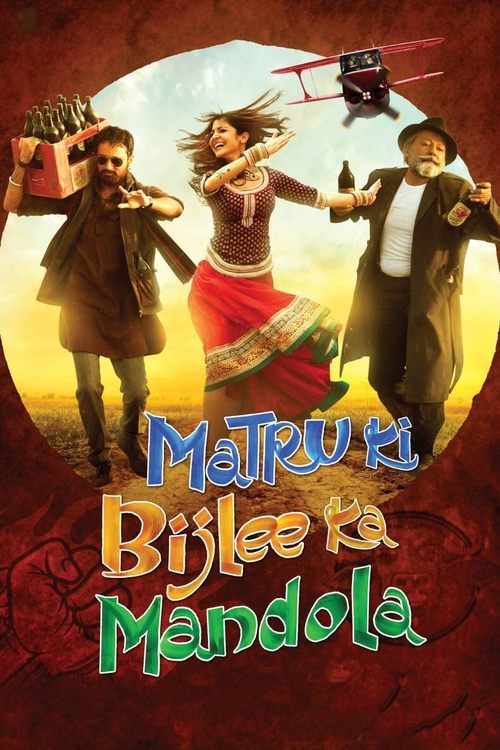
Matru Ki Bijlee Ka Mandola
2013
No user ratings available yet
Diversity score: 5.9 out of 10
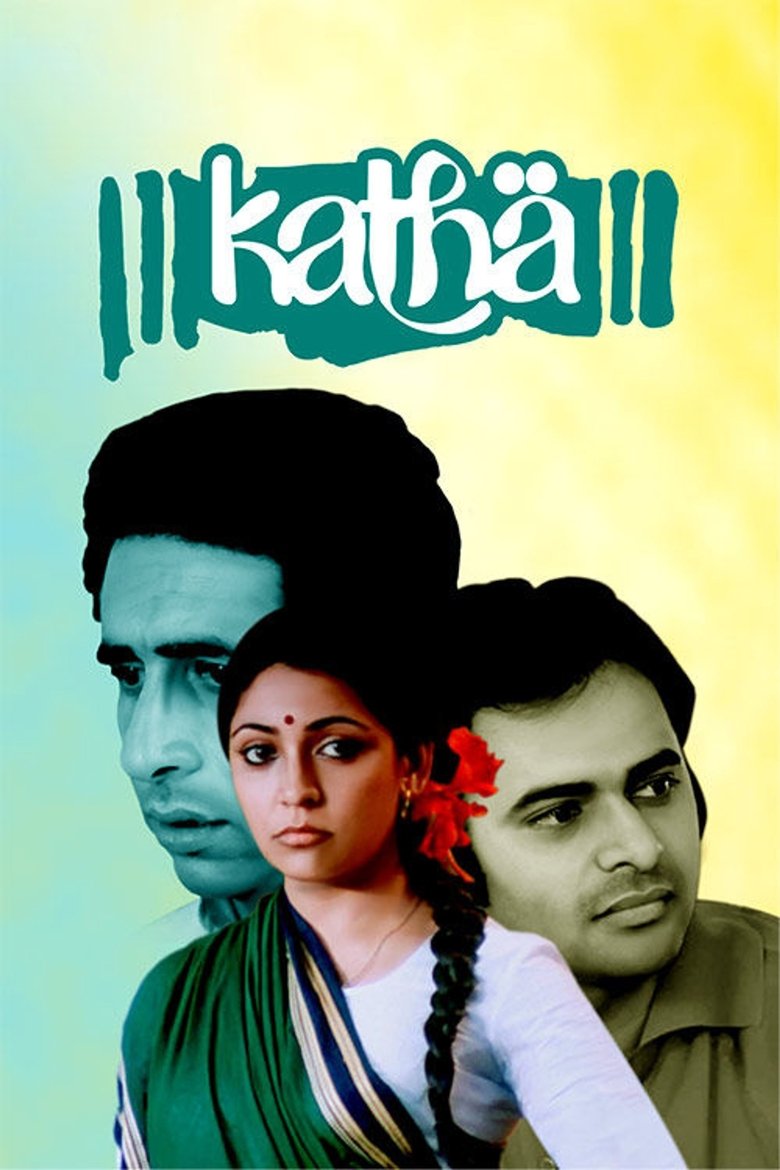
1983
Director
Sai Paranjape
Runtime
141 minutes
Average Rating
No ratings yetSynopsis
A modern retelling of the classic folktale about the hare and the tortoise. Rajaram P. Joshi is a middle-class Clerk living in a chawl in Bombay. He is secretly in love with his neighbor, Sandhya Karnik but is unable to disclose his love for her. Rajaram's fast-tallking friend, Bashudev comes for a visit and makes himself at home. Bashudev starts wooing Sandhya and soon her parents decide to marry Sandhya and Bashudev, much to misery of Rajaram. But on the day of the engagement, Bashudev disappears, leaving behind a devastated, and pregnant Sandhya. Will Rajaram will accept Sandhya?
Overall Score
Fair
Category Breakdown
LGBTQ+ Representation
The film follows a conventional romantic structure between Rajaram and his neighbor. There is no evidence of non-heteronormative identities or same-sex intimacy.
Gender Representation
The story disrupts hyper-masculine archetypes by centering a timid, hard-working protagonist. The dynamic between Rajaram and the fast-talking Bashu offers a nuanced view of masculine temperaments.
Racial & Ethnic Diversity
As an Indian production, the film centers a non-Western cultural framework. It provides a specific regional narrative that avoids Western-centric homogeneity.
Religious & Cultural Diversity
The film recontextualizes a classic folktale within a contemporary social setting. It prioritizes localized, human-centric values over grand religious or institutional narratives.
Disability Representation
There is no information available regarding the depiction of physical or neurodivergent disabilities in this work.
Strengths
Areas for Improvement
AI Analysis
Katha offers a character-driven look at middle-class life, moving away from the grand spectacle typical of traditional melodrama. It finds strength in its cultural specificity and its willingness to subvert standard hero tropes through its protagonist's personality. However, the film remains within a conventional romantic framework. It lacks explicit intersectional markers or subversive depictions of identity, such as LGBTQ+ representation or disability visibility, which limits its progressive breadth. Ultimately, the film's value lies in its observational realism and its ability to ground ancient wisdom in a modern, localized context.
2013
1991
1968
1996
1988
1988

2000
1988
2021
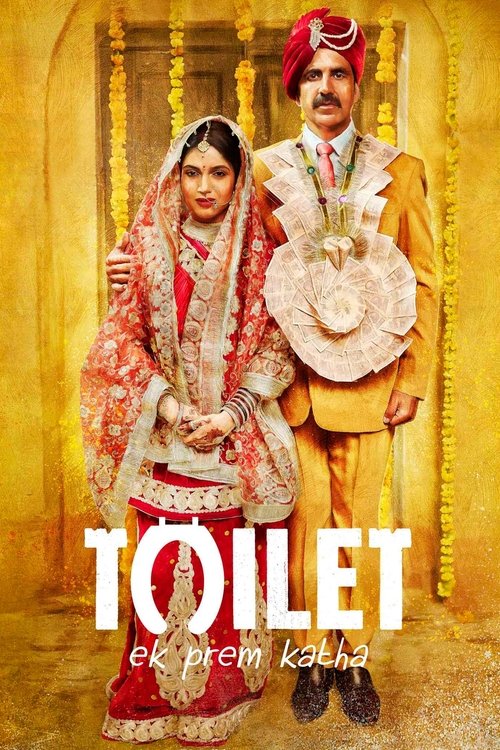
2017
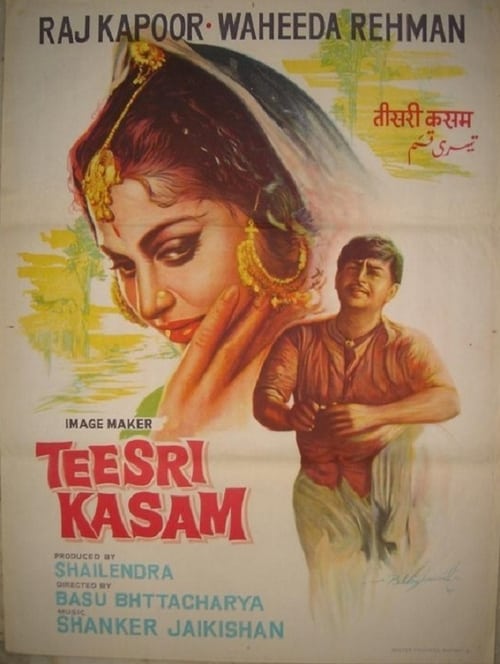
1966
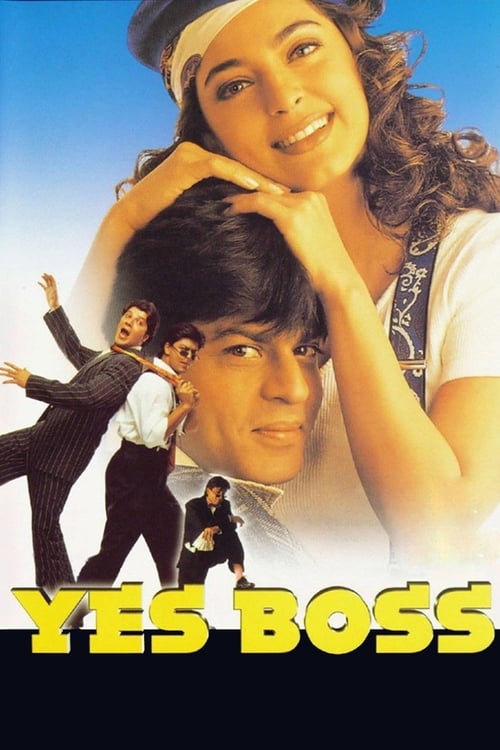
1997
No reviews yet. Be the first to share your thoughts on this movie!
Use the rating form above to leave a star rating and optional review.