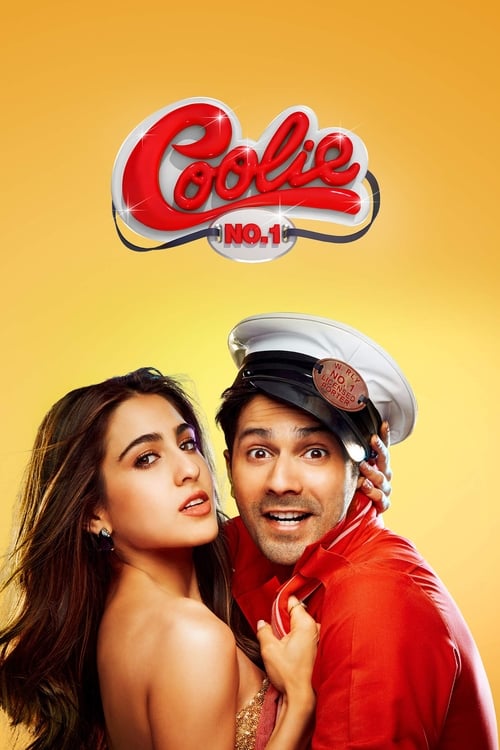
Coolie No. 1
2020
No user ratings available yet
Representation score: 2.1 out of 10
Representation Score
Limited
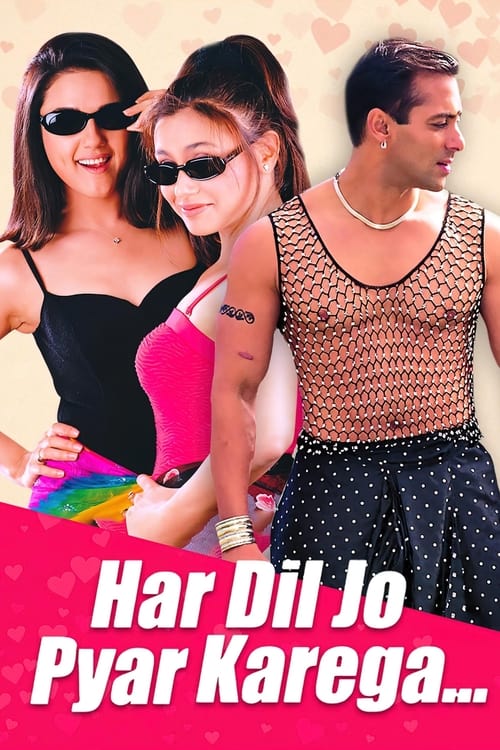
2000
Director
Raj Kanwar
Runtime
168 minutes
Average Rating
No ratings yetNew Showbiz Analysis
The film is a typical early-2000s romantic comedy that prioritizes escapism over social critique. It relies heavily on established clichés, such as the 'lovable rogue' and the 'pursuer/pursued' dynamic, to drive its narrative. While the film offers a culturally specific look at urban Indian youth, it does little to challenge existing hierarchies. Gender roles remain conventional, with male characters taking the lead in driving the plot through deception and pursuit. Ultimately, the film reinforces traditional social expectations. It uses medical crises and romantic idealism as tools for character development rather than exploring systemic issues or diverse identities.
Category Breakdown
The film operates within a framework that assumes everyone is straight and cisgender. There is no representation of LGBTQ+ identities or non-assuming gender matches what was assigned at birth perspectives.
The story is driven by male characters who use various schemes to pursue female leads. Women in the film show emotional depth but primarily function as objects of romantic pursuit within traditional power dynamics.
The cast is predominantly South Asian, reflecting a specific cultural context. The film centers a homogeneous experience of urban Indian youth without engaging in color-blind casting or racial subversion.
The story upholds traditional social structures and romantic idealism. It lacks themes of secularism or atheism, instead following the standard social morality found in mainstream Bollywood cinema.
A character's coma serves as a central plot device to trigger romantic tension. However, the use of a medical crisis lacks nuanced exploration of disability or neurodivergent experiences.
Present on Screen
Limited or Absent
Official Synopsis
Jahnvi’s best friend Pooja attempts suicide when her boyfriend jilts her. Raj, a struggling singer, saves Pooja but she still goes into a coma and Raj gets stuck into caring for her. Upon recovery, Pooja falls for Raj, but he is in love with Jahnvi.
2020

2003
1988
2003
2015

1995
2019

2015
No reviews yet. Be the first to share your thoughts on this movie!
Use the rating form above to leave a star rating and optional review.