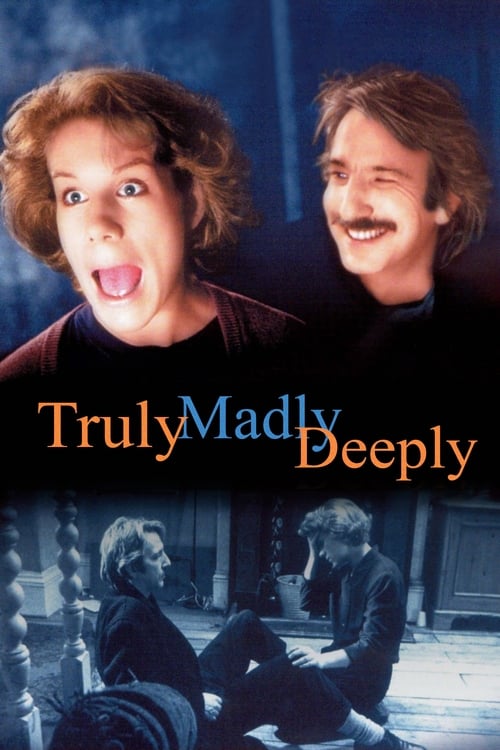
Truly Madly Deeply
1991
No user ratings available yet
Representation score: 6.7 out of 10

Representation Score
Good
1994
NRDirector
Peter Mackenzie Litten
Runtime
101 minutes
Average Rating
No ratings yetNew Showbiz Analysis
To Die For (1994) is a character-driven study that disrupts traditional romantic drama conventions by centering on queer grief and non-traditional domesticity. The use of supernatural elements allows for a deep exploration of emotional complexity and the intricacies of loss. The film's strength lies in its willingness to center underrepresented identities and critique social ignorance. However, the narrative lacks significant evidence of racial or gender-based subversion, focusing instead on sexual identity and class. Ultimately, the film provides a nuanced look at queer intimacy and the emotional aftermath of the AIDS crisis, even if it remains limited in its broader demographic representation.
Category Breakdown
The film explores the aftermath of a relationship between two men, focusing on their intimate connection and the grief following the loss of a partner. It delves into the cruising scene and the emotional journey of a protagonist dealing with his past.
The story revolves around male-centric emotional dynamics and interpersonal relationships. While the male lead's vulnerability challenges some traditional masculine roles, the narrative primarily centers on the male protagonists' experiences.
The story focuses on specific interpersonal dynamics within a localized London setting. There is no explicit mention of a multi-ethnic cast or a focus on racial the way different parts of someone's identity overlap.
The film uses supernatural elements to explore subjective morality and critiques social prejudices. It highlights a grounded, working-class perspective and depicts an ignorant homophobe to challenge social biases.
The narrative examines the AIDS crisis as a lens to discuss chronic illness and its systemic effects. It addresses the realities of health-related loss through the presence of a deceased partner.
Present on Screen
Limited or Absent
Official Synopsis
Simon and Mark live together in London. When Mark dies of AIDS, Simon gets on with his life rather quickly, too quickly to suit the ghost of Mark, who reappears to disrupt Simon's cruising and then moves back into their flat to prompt Simon to experience and express feelings. Simon is adamant that feelings, especially love, are not for him. Subplots develop as Mark and Simon observe their neighbor Siobhan's love life and as Simon spends his days as a satellite-TV installer partnered with Dogger, a homophobe ignorant that Simon is gay. Is there any key that can unlock Simon's feelings and allow Mark to rest in peace?
1991

1991

1998

1985

1992

2002

1995

1993
No reviews yet. Be the first to share your thoughts on this movie!
Use the rating form above to leave a star rating and optional review.