
Spinnin'
2008
No user ratings available yet
Representation score: 6.8 out of 10
Representation Score
Good
1992
Not RatedDirector
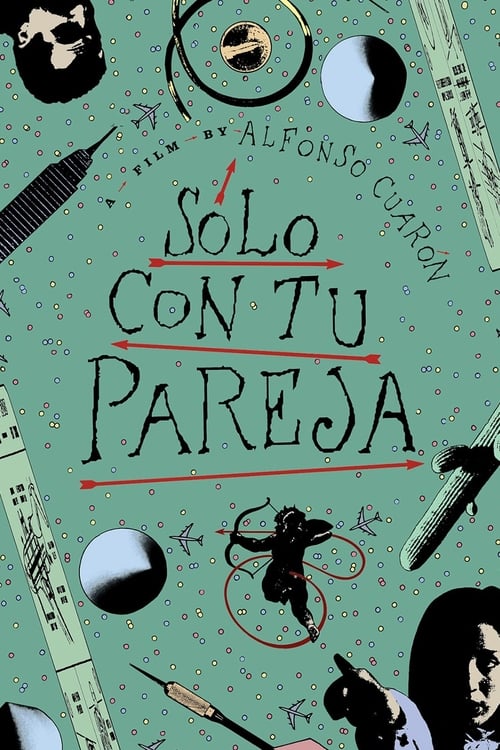
Alfonso Cuarón
Runtime
94 minutes
Average Rating
No ratings yetNew Showbiz Analysis
Alfonso Cuarón’s early work subverts the romantic comedy genre by replacing sanitized clichés with a chaotic, ability to act-driven exploration of human connection. The film provides a culturally specific Mexican urban reality, avoiding the homogenization of mainstream cinema. However, the film's progressive nature is limited by its assumption that everyone is straight and its use of medical crises primarily as plot devices for character growth. It prioritizes individualistic urban life over deeper systemic or identity-based critiques. Ultimately, the film is a sophisticated character study that disrupts traditional pacing and courtship models, even if it lacks explicit representation for underrepresented identities.
Category Breakdown
The film operates within a framework that assumes everyone is straight. It explores themes of sexual freedom and urban desires but does not include explicit LGBTQ+ narratives or characters.
Silvia challenges the passive romantic stereotype by playing a significant role in driving the story. The film disrupts traditional courtship rituals by emphasizing mutual desire over patriarchal hierarchies.
Set in Mexico City with a Mexican cast, the film offers an authentic, localized perspective. It avoids the Western-centric viewpoint common in global cinema.
The narrative favors postmodern, episodic encounters over traditional morality. It focuses on middle-class secularism rather than critiquing systemic institutions.
The AIDS storyline serves as a catalyst for existential realization. It focuses on the protagonist's psychological response rather than the lived experience of disability.
Present on Screen
Limited or Absent
Official Synopsis
Tomás Tomás is a young yuppie playboy with a string of discarded girlfriends. But when Silvia, the victim of one of his adventures, tries to get revenge by typing "positive" on his AIDS test, Tomás experiences for the first time the realities of love and death.
2008

1992

2000

1986

2007

1995

2008
2001
No reviews yet. Be the first to share your thoughts on this movie!
Use the rating form above to leave a star rating and optional review.