
All Power to the People!
1996
No user ratings available yet
Representation score: 6.2 out of 10
Representation Score
Fair
1999
NOT RATEDDirector
Michael Pack
Runtime
56 minutes
Average Rating
No ratings yetNew Showbiz Analysis
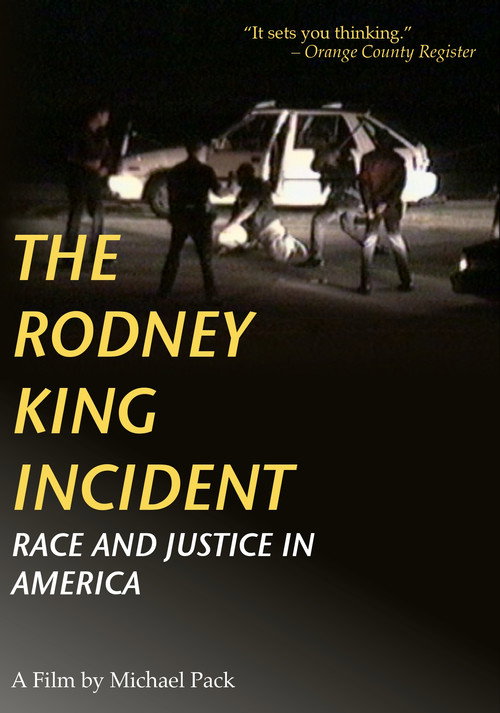
The documentary serves as a powerful critique of institutional power, focusing on the intersection of race and the American judicial system. It disrupts traditional law-and-order narratives by centering the Black community's experience during a period of civil unrest. However, the film's scope is narrow, focusing heavily on masculine conflict and institutional authority. This limits the inclusion of diverse gender perspectives. Additionally, LGBTQ+ identities are not addressed within the historical or legal context. Ultimately, while the film lacks breadth in gender and LGBTQ+ representation, it provides a profound examination of racial dynamics and systemic failure, making it a vital historical document for understanding racial justice.
Category Breakdown
The film focuses on racial and legal issues without addressing LGBTQ+ identities. There is no specific narrative or character development related to these communities.
The story centers around male LAPD officers and Rodney King, emphasizing masculine conflict. It offers limited opportunities for nuanced gender roles within these male-dominated legal proceedings.
The documentary highlights the Black experience and systemic conflicts with the LAPD. It uses the incident to explore race and state power, giving significant attention to underrepresented perspectives.
The film critiques Western institutions by presenting the 1992 riots as a reaction to oppression. It challenges the perceived infallibility of American legal systems and state authority.
Disability and neurodivergence are not central themes in this documentary. There is no significant focus on these perspectives.
Present on Screen
Limited or Absent
Official Synopsis
The beating of Rodney King by four LAPD officers was a defining moment of the nineties. It caused one of the worst race riots in American history and led to a national debate about police brutality, the fairness of the justice system, and the state of racism in America.
1996
2012
2017
2017
2017
2002
2017
2016
No reviews yet. Be the first to share your thoughts on this movie!
Use the rating form above to leave a star rating and optional review.