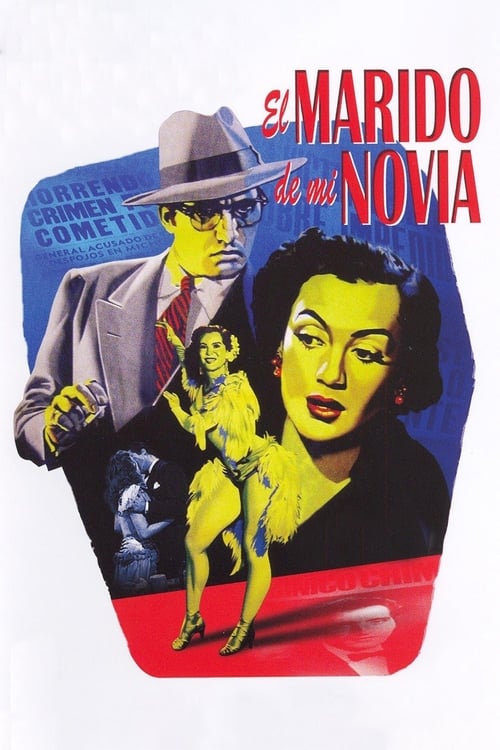
El marido de mi novia
1951
No user ratings available yet
Representation score: 5.1 out of 10
Representation Score
Minimal
1953
Director
Fernando Méndez
Runtime
97 minutes
Average Rating
No ratings yetNew Showbiz Analysis
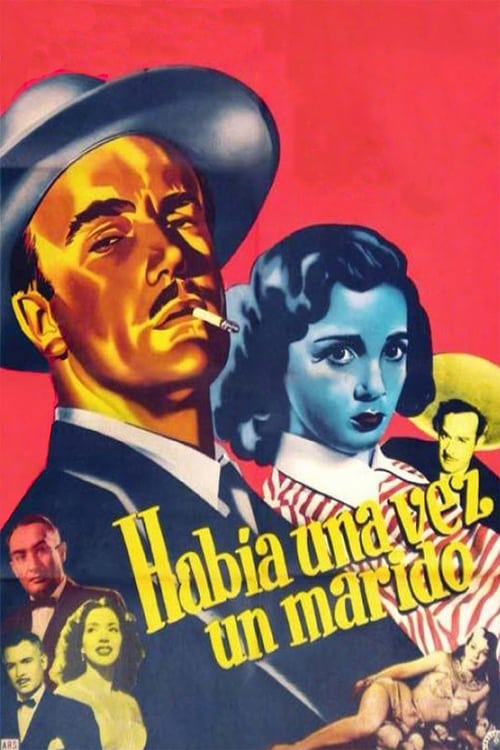
Había una vez un marido is a typical example of its era's domestic comedy-drama genre. It operates within established social and cultural frameworks, emphasizing traditional narrative structures and conventional character dynamics. The film does not intentionally disrupt historical clichés or promote layered diversity. Instead, it reflects the mid-century Mexican cinematic landscape through a lens of traditional morality and uniform casting. While it offers a glimpse into the social norms of 1953, it does not significantly challenge the period's established hierarchies.
Category Breakdown
The film does not include any characters with non-binary gender identities or same-sex relationships, sticking to the assumption that everyone is straight and cisgender, which is typical of 1950s Mexican cinema.
The story revolves around the marriage and domestic life of Rafael and Lilia, relying on traditional gender roles where men hold authority and women are expected to follow.
The cast is mostly uniform, representing the national identity of the Golden Age of Mexican cinema. It does not blend different cultures to challenge societal norms.
The story follows mid-century moral standards, focusing on restoring justice and maintaining the family unit without questioning Western institutions.
The film does not feature characters with visible or invisible disabilities as central figures or significant plot devices.
Present on Screen
Limited or Absent
Official Synopsis
Due to confusion, Rafael is believed responsible for the death of Teresa. His wife Lilia and his brother looking for the real culprits.
1951

2005
1950
1951
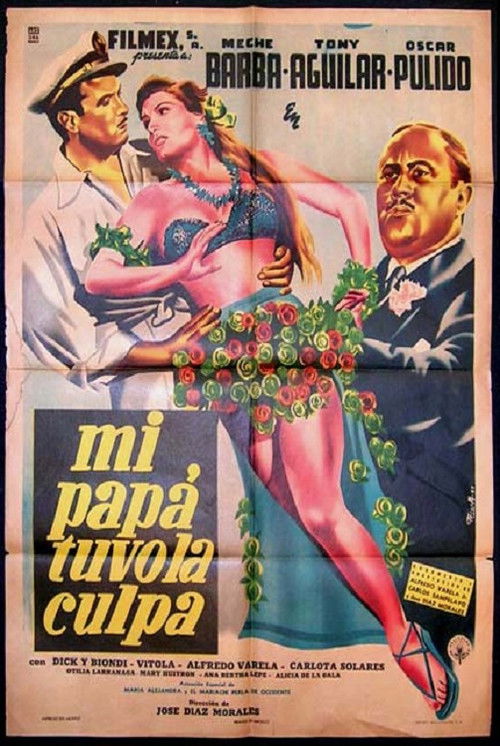
1953
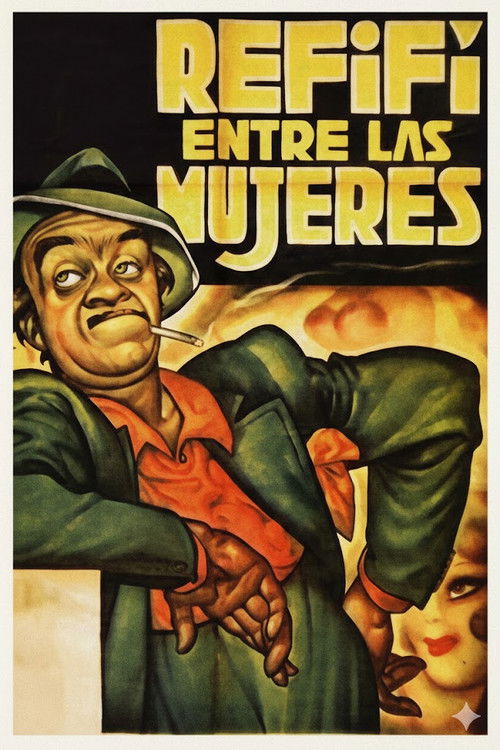
1958
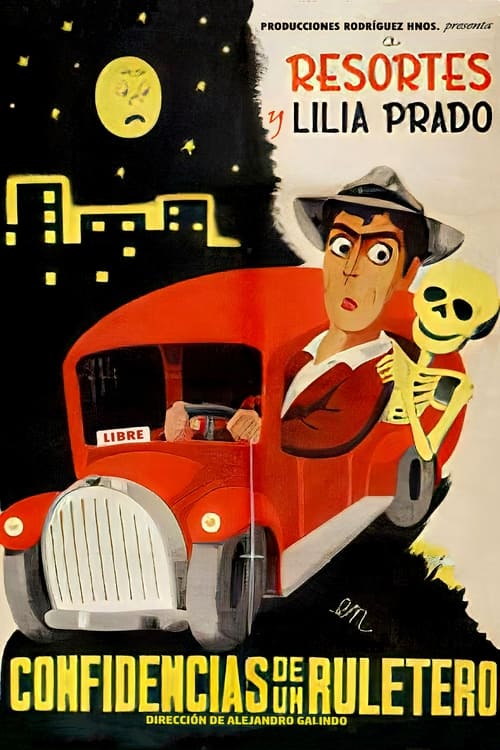
1949
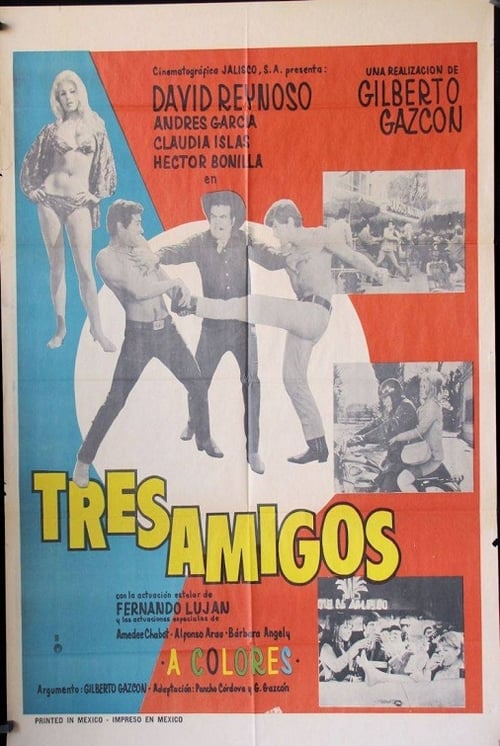
1970
No reviews yet. Be the first to share your thoughts on this movie!
Use the rating form above to leave a star rating and optional review.