
The Fox and the Hound
1981
No user ratings available yet
Representation score: 0.3 out of 10

Representation Score
Minimal
2001
GDirector
Darrell Rooney, Jeannine Roussel
Runtime
69 minutes
Average Rating
No ratings yetNew Showbiz Analysis
Lady and the Tramp II: Scamp's Adventure upholds traditional family values and social hierarchies. The story emphasizes the preservation of the nuclear family structure. Socioeconomic status serves as the primary lens for conflict, pitting 'house dogs' against 'street dogs.' However, this conflict lacks deeper exploration of multi-layered issues. Overall, the film presents a conventional family adventure that reinforces traditional social structures and domestic values.
Category Breakdown
The film does not depict any non-binary gender identities or LGBTQ+ characters. Relationships and bonds are strictly heterosexual and cisgender.
Gender roles adhere to traditional stereotypes. Lady embodies the ideal mother and homemaker, while Scamp's growth follows typical adolescent development.
Since the story focuses on animals, there is no depiction of human racial or ethnic diversity. Social distinctions are based on economic status rather than race.
The story highlights the tension between home life and street life, presenting a personal choice between security and freedom.
No characters have visible or invisible disabilities. Disability is not a central theme or character trait in the film.
Present on Screen
Limited or Absent
Official Synopsis
Lady and Tramp's mischievous pup, Scamp, gets fed up with rules and restrictions imposed on him by life in a family, and longs for a wild and free lifestyle. He runs away from home and into the streets where he joins a pack of stray dogs known as the "Junkyard Dogs." Buster, the pack's leader, takes an instant disliking to the "house-dog" and considers him a rival. Angel, a junkyard pup Scamp's age, longs for the safety and comfort of life in a family and the two become instant companions. Will Scamp choose the wild and free life of a stray or the unconditional love of his family?
1981

1997
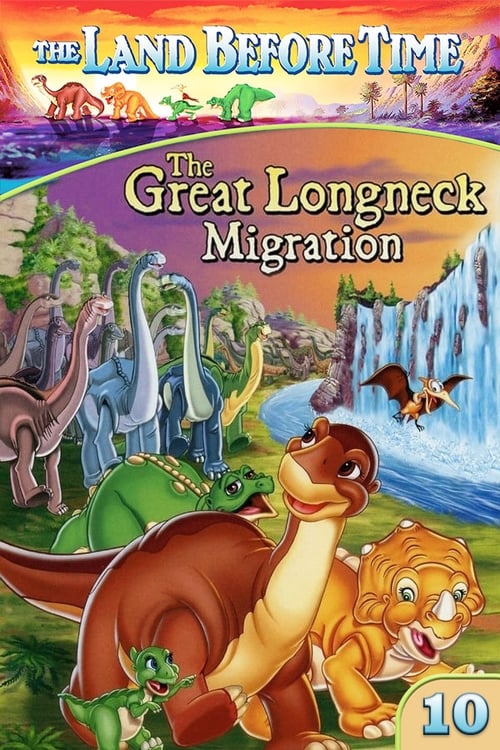
2003
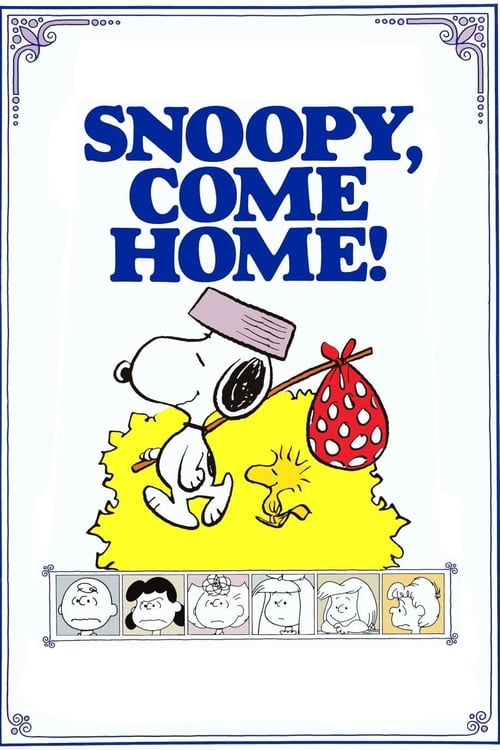
1972
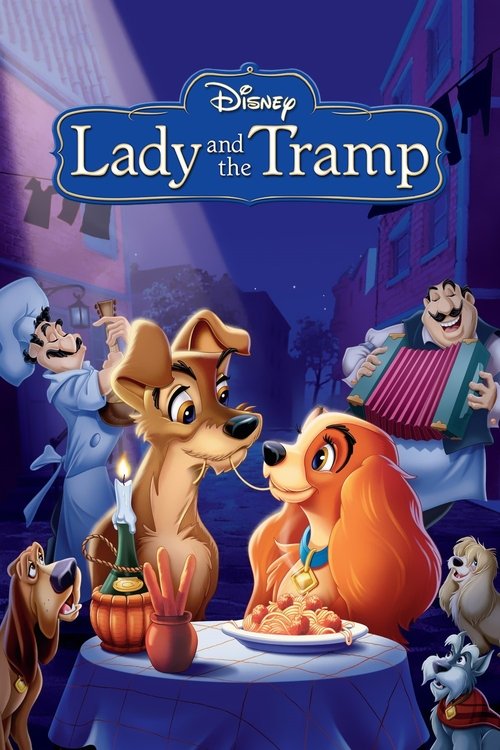
1955
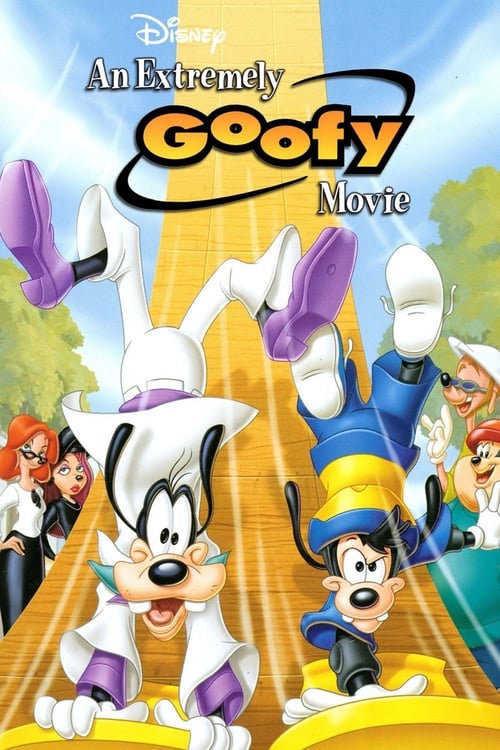
2000
2019
2005
No reviews yet. Be the first to share your thoughts on this movie!
Use the rating form above to leave a star rating and optional review.