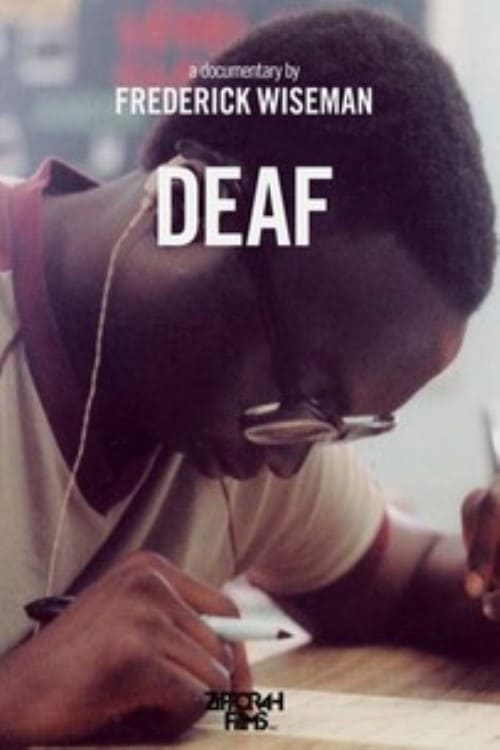
Deaf
1986
No user ratings available yet
Representation score: 7.3 out of 10
Representation Score
Fair
1986
Director
Frederick Wiseman
Runtime
132 minutes
Average Rating
No ratings yetNew Showbiz Analysis
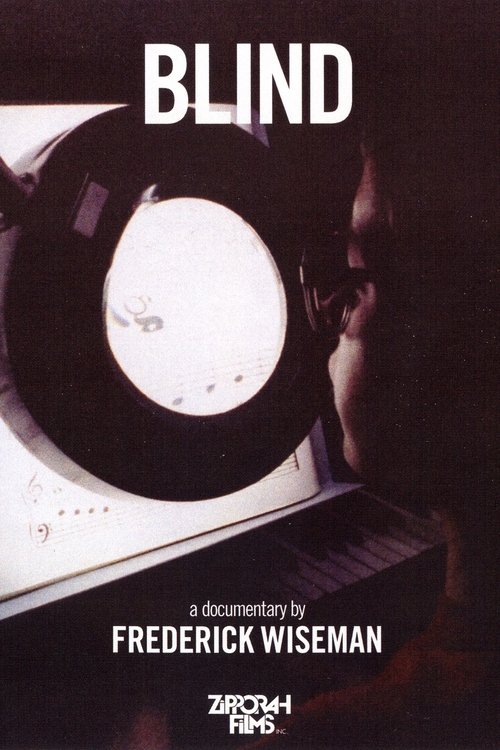
Frederick Wiseman’s documentary focuses on the lives of visually impaired students, emphasizing their ability to act and functional realities. However, its narrow observational scope limits its broader social impact. The film primarily serves as an institutional study of a specific school from the 1980s, lacking deeper engagement with multi-layered issues such as race and queer identities.
Category Breakdown
The film does not include any LGBTQ+ characters or narratives related to non-cisgender identities.
Gender dynamics are not emphasized; instead, the film highlights communal activities and institutional roles.
The film accurately reflects the demographics of the institution during the time period. It does not provide multi-layered focus on race.
The film keeps a secular perspective, focusing on the interaction between individual ability to act and institutional constraints.
The film centers on the experiences of visually impaired individuals, presenting disability as a specific way of navigating the world.
Present on Screen
Limited or Absent
Official Synopsis
BLIND shows the educational programs and daily life of students in kindergarten through the 12th grade at the Alabama School for the Blind. The School is organized around the effort to educate blind and visually impaired students to be in charge of their own lives. Sequences in the film include mobility training, braille instruction and orientation as well as traditional classroom subjects such as English, history, science and music. Other sequences show psychological counseling sessions; vocational training; staff dealing with student disciplinary problems; and the wide variety of recreational and athletic programs.
1986
2002
1986
2016

1986
1994

1969
1992
No reviews yet. Be the first to share your thoughts on this movie!
Use the rating form above to leave a star rating and optional review.