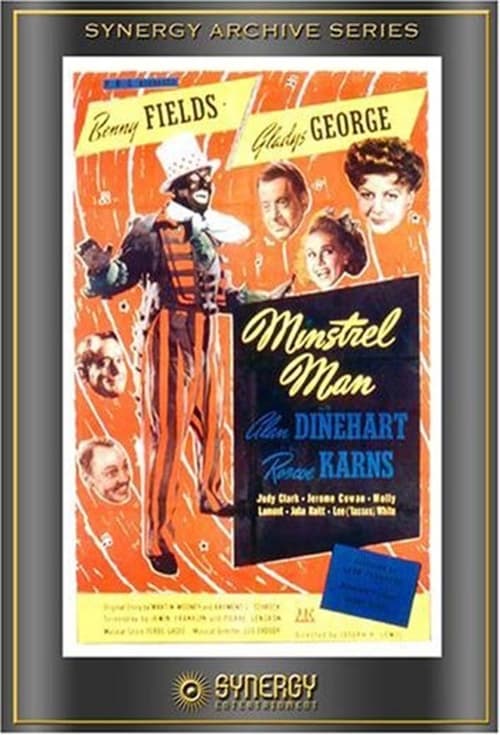
Minstrel Man
1944
No user ratings available yet
Diversity score: 2.9 out of 10

2018
Not RatedDirector
Robert Delamere
Runtime
142 minutes
Average Rating
No ratings yetSynopsis
The life of Fanny Brice, who rose from the Lower East Side of New York to become one of Broadway's biggest stars under producer Florenz Ziegfield. While she was cheered onstage as a great comedian, offstage she faced a doomed relationship with the man she loved.
Overall Score
Fair
Category Breakdown
LGBTQ+ Representation
The film follows a conventional heteronormative structure. The central conflict relies on the romantic and marital tensions between the protagonist and her male counterpart, offering no non-cisnormative narratives.
Gender Representation
Fanny Brice is a career-driven protagonist whose professional intellect and comedic prowess disrupt traditional gender hierarchies. Her ambitions often supersede the domestic expectations of the early 20th century.
Racial & Ethnic Diversity
The narrative elevates a non-Anglo-Saxon identity by focusing on the Jewish immigrant experience. It explores the transition from a working-class Lower East Side background to the elite Broadway stage.
Religious & Cultural Diversity
The story touches on socioeconomic mobility and the friction between high-society institutions and working-class roots. It remains largely anchored in the pursuit of individual stardom rather than systemic critique.
Disability Representation
There are no prominent depictions of visible or invisible disabilities. No character arcs are defined by neurodivergence or physical impairment.
Strengths
Areas for Improvement
AI Analysis
Funny Girl succeeds in subverting traditional biographical tropes by centering a Jewish immigrant's journey to mainstream cultural success. The film provides a nuanced look at ethnic agency and the navigation of a stratified society. However, the production is limited by a strictly heteronormative framework and a lack of representation regarding disability. The narrative focus remains heavily on individual stardom and traditional romantic paradigms. While the protagonist's professional agency challenges early 20th-century gender roles, the film lacks broader social critiques, framing character failings as personal rather than systemic.
1944

1947
1946
1993
1999
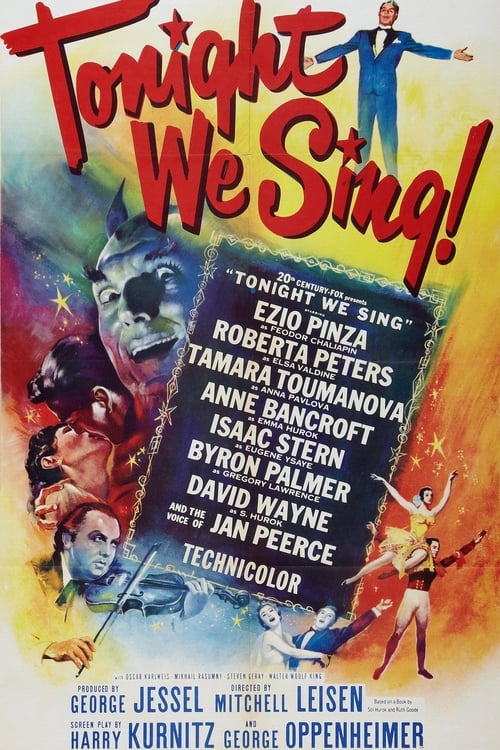
1953
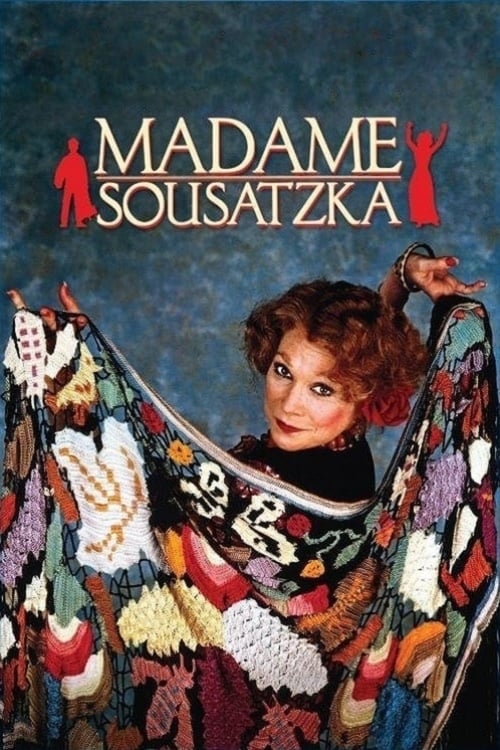
1988
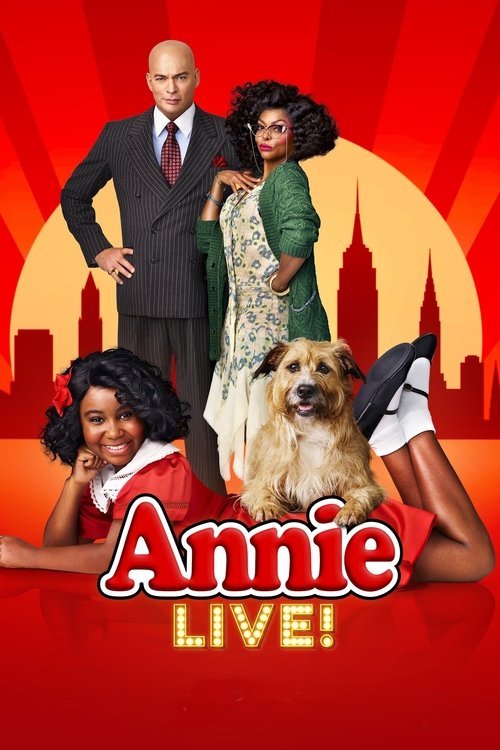
2021

1989
2011
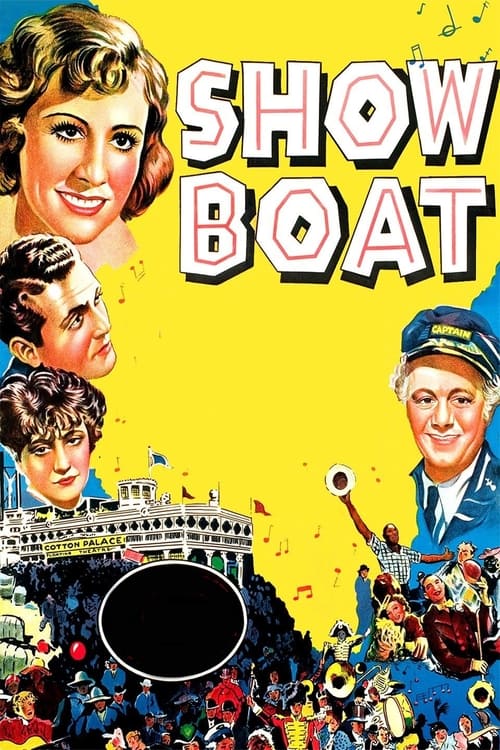
1936

2018
No reviews yet. Be the first to share your thoughts on this movie!
Use the rating form above to leave a star rating and optional review.