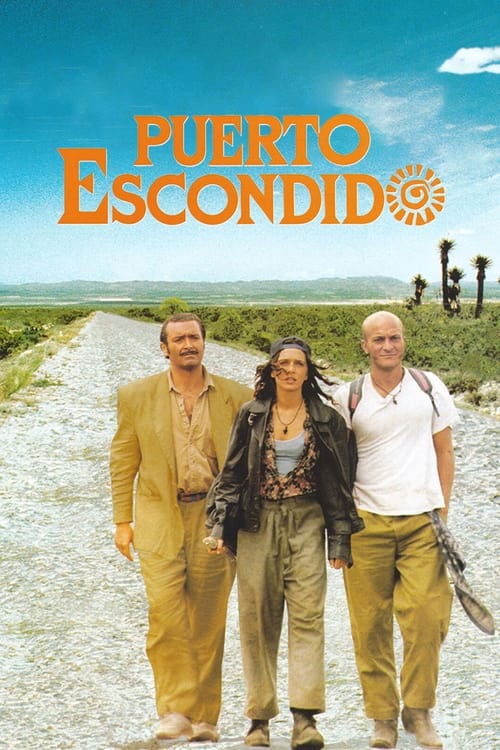
Puerto Escondido
1992
No user ratings available yet
Diversity score: 5.4 out of 10

2016
Director
Gianfranco Cabiddu
Runtime
98 minutes
Average Rating
No ratings yetSynopsis
Members of the Camorra on the run and actors seeking for authority meet after a shipwreck on an island-prison. The theatre turns into a free zone where everyone may not be able to recover their social role but for sure their humanity. Somebody can even get love back. Shakespeare and Eduardo De Filippo blend together in a picaresque comedy full of coup de théâtre.
Overall Score
Fair
Category Breakdown
LGBTQ+ Representation
The film explores the reclamation of humanity and love within an isolated island-prison. While the setting suggests a breakdown of social hierarchies, there is no explicit evidence of queer narratives or non-cisnormative identities.
Gender Representation
The transformation of a prison into a theater disrupts conventional social roles. This focus on humanity over established status suggests a movement toward gender-neutral agency and challenged power structures.
Racial & Ethnic Diversity
The narrative blends Camorra elements with theatrical performers, creating a complex socio-cultural tapestry. However, specific details regarding non-white or non-Anglo-Saxon representation are not provided.
Religious & Cultural Diversity
The film uses theater as a free zone to critique rigid social structures. By blending Shakespeare and De Filippo, it prioritizes a secular, humanist worldview over strict dogma.
Disability Representation
The available information contains no mention of characters with visible or invisible disabilities. Consequently, no assessment of representation in this category can be made.
Strengths
Areas for Improvement
AI Analysis
The film functions as a picaresque comedy that uses an isolated setting to dismantle institutional authority. By stripping characters of their social roles, the narrative creates a liminal space where identity becomes fluid and humanity takes precedence over hierarchy. While the thematic architecture is progressive, the film lacks specific demographic data to confirm diverse representation. The focus remains on class fluidity and the deconstruction of social roles rather than explicit identity politics. Ultimately, the work succeeds in its humanist critique of systemic structures, even if specific character arcs for marginalized groups remain unverified.
1992

2017

2021

1983

2015

2017

2017

2018

1993

1975

1970

2016
No reviews yet. Be the first to share your thoughts on this movie!
Use the rating form above to leave a star rating and optional review.