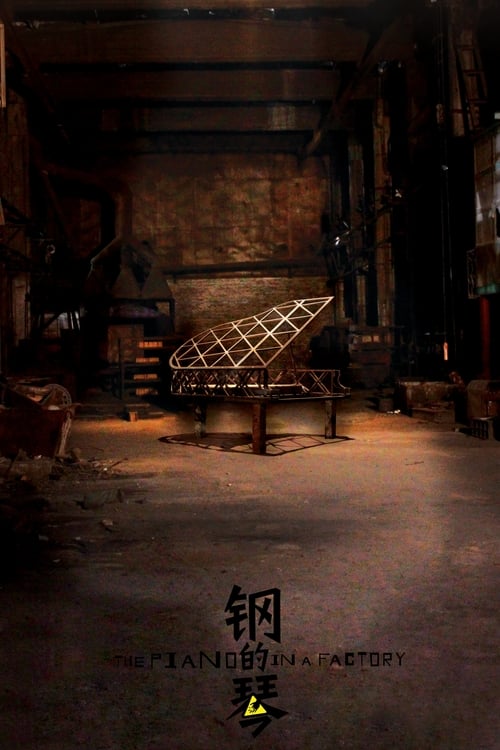
The Piano in a Factory
2011
No user ratings available yet
Representation score: 3.3 out of 10
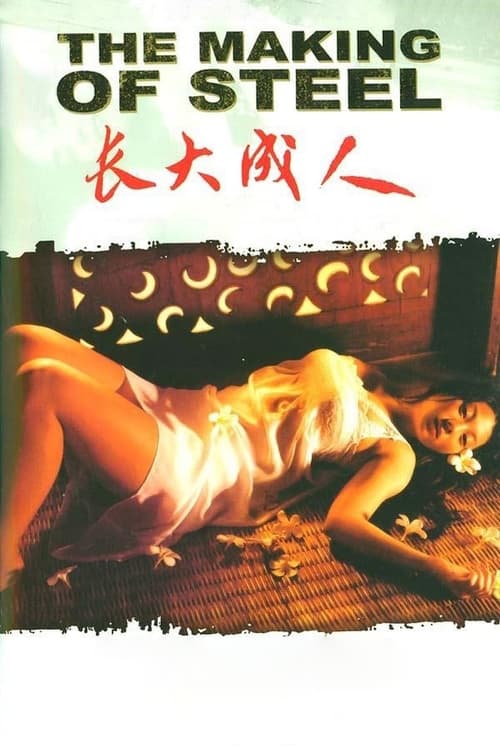
Representation Score
Fair
1997
Director
Lu Xuechang
Runtime
102 minutes
Average Rating
No ratings yetNew Showbiz Analysis
Lu Xuechang’s debut is a cornerstone of the Chinese Sixth Generation, prioritizing gritty realism over grand historical allegories. It succeeds in providing a culturally specific perspective that rejects Western cinematic norms, focusing instead on the psychological alienation of youth within a rapidly changing society. However, the film lacks explicit representation of diverse identities. It functions as a study of individual fragmentation rather than a vehicle for identity-based storytelling, resulting in a homogeneous cast and a lack of specific LGBTQ+ or disability-focused narratives. Ultimately, the film's strength lies in its structural rejection of traditional stability. It challenges social hierarchies by centering the subjective, often anti-social experiences of young adults navigating modern life.
Category Breakdown
The film focuses on personal struggles and urban isolation rather than specific LGBTQ+ narratives. It explores complex interpersonal connections but does not center on particular non-straight or non-cisgender stories.
The narrative disrupts traditional male-dominated structures by focusing on the fractured lives of young adults. Women navigate a changing social landscape, though their roles are often influenced by broader societal changes.
The film provides a localized, urban Chinese perspective that avoids Western-centric frameworks. However, the cast remains ethnically homogeneous, reflecting its specific social setting.
The story explores the tension between individuals and social institutions through a postmodern lens. It frames traditional structures as sources of alienation and moral relativism.
There are no prominent depictions of visible or invisible disabilities that serve as central narrative drivers in this work.
Present on Screen
Limited or Absent
Official Synopsis
First film directed by Lu Xuechang.
2011
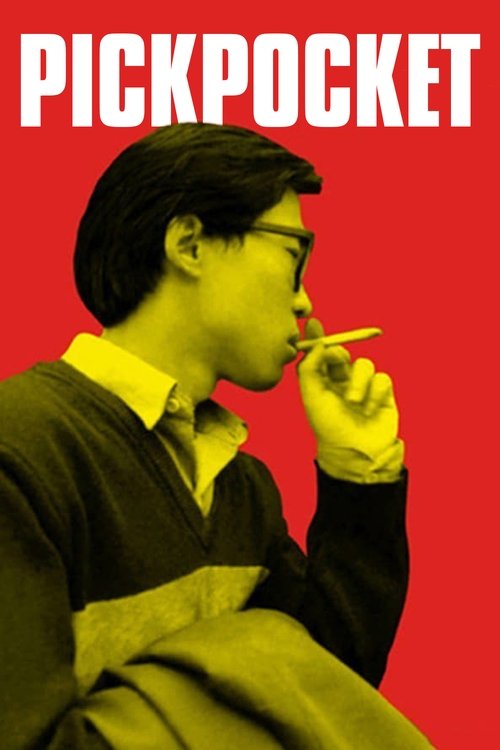
1997
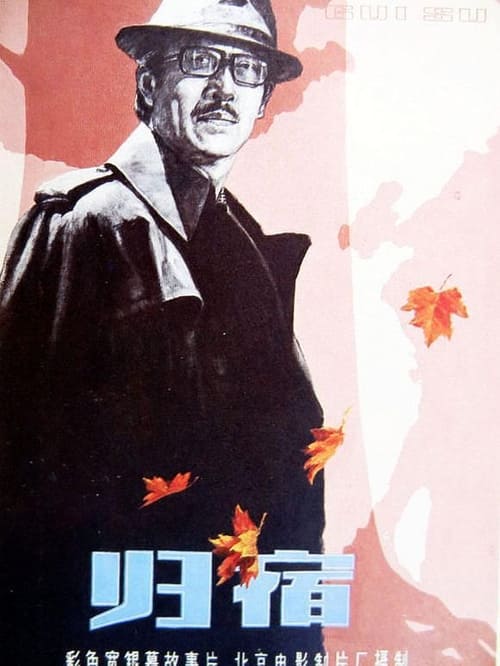
1981

2010
2016

2013
1990
2006
No reviews yet. Be the first to share your thoughts on this movie!
Use the rating form above to leave a star rating and optional review.