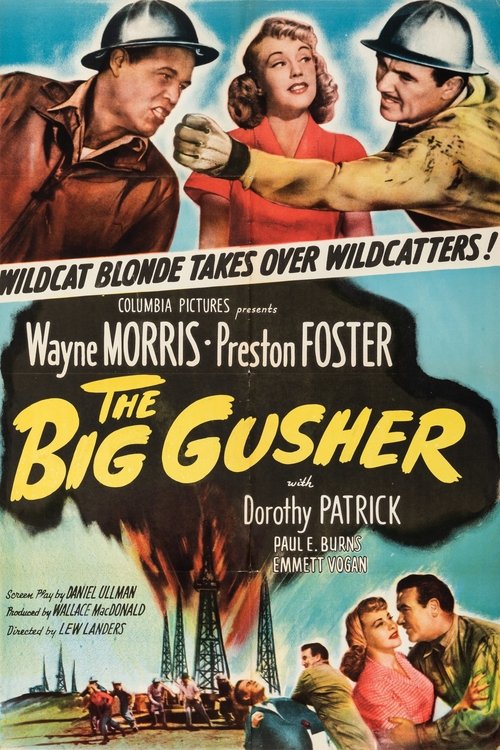
The Big Gusher
1951
No user ratings available yet
Representation score: 1.4 out of 10
Representation Score
Minimal
1962
PassedDirector
Leslie H. Martinson
Runtime
98 minutes
Average Rating
No ratings yetNew Showbiz Analysis
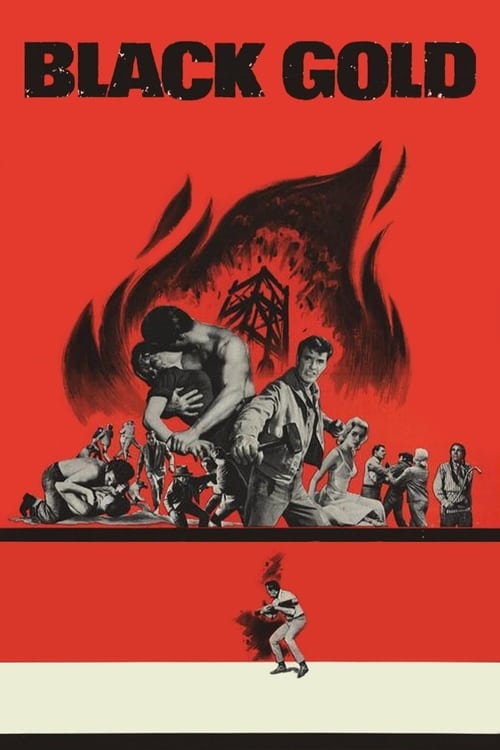
Black Gold is a quintessential mid-century adventure that prioritizes genre clichés over social complexity. The plot centers on masculine ambition and the pursuit of wealth during the Oklahoma oil boom, reinforcing the social hierarchies of the 1920s and 1960s. While the film introduces a critique of political corruption and unscrupulous institutional power, it functions as a standard moral dichotomy between industrious heroes and unscrupulous villains. This approach avoids any meaningful subversion of the era's traditional social or cultural structures. Ultimately, the film lacks depth in reflecting multiple aspects of identity. It relies on conventional gender roles and a narrow demographic focus, making it a representative specimen of mainstream, era-specific storytelling.
Category Breakdown
The film follows a framework centered on the courtship of women and does not include non-cisgender identities or queer perspectives.
Narrative ability to act is concentrated in male protagonists pursuing oil wealth. Women appear primarily as objects of courtship rather than active drivers of the industrial plot.
The setting reflects the demographic homogeneity of 1920s mainstream cinema. The film adheres to standard Anglo-centric depictions of the American frontier and industrial era.
The story explores tensions of early capitalism through a hero-versus-villain cliché. It focuses on individual success and traditional masculine pursuits rather than systemic cultural deconstruction.
The narrative provides no evidence of characters with visible or invisible disabilities. No roles for disabled individuals are indicated in the story.
Present on Screen
Limited or Absent
Official Synopsis
Two friends join together to strike oil, court women, and battle an unscrupulous oilman politician during the Oklahoma oil boom of the 1920s.
1951
1964
1940

1967
1953
1950
1940

2011
No reviews yet. Be the first to share your thoughts on this movie!
Use the rating form above to leave a star rating and optional review.