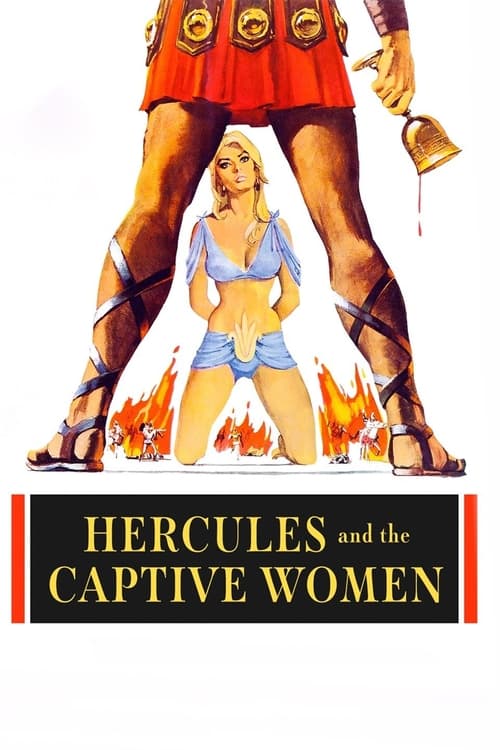
Hercules and the Captive Women
1961
No user ratings available yet
Representation score: 0.4 out of 10
Representation Score
Minimal
1964
Director
Antonio Margheriti
Runtime
100 minutes
Average Rating
No ratings yetNew Showbiz Analysis
This version of the Hercules legend fits the 1960s peplum genre. The narrative emphasizes traditional masculine leadership and straight-centered social structures, reinforcing the era's cinematic norms without challenging them. The film relies on established mythological clichés where heroism is defined by individual strength. This focus on strength and binary morality limits the depth of its social representation. Overall, the work serves as an escapist adventure-horror hybrid. It lacks the intentionality needed to include diverse perspectives or disrupt systemic hierarchies.
Category Breakdown
The film follows traditional mythological structures centered around straight relationships. It doesn't include any non-binary gender identities or same-sex relationships.
The movie upholds traditional gender roles. Hercules is the main character who holds power, while women are either damsels in distress or evil sorceresses.
The cast is predominantly white and lacks diversity. The film presents a Eurocentric view of ancient myths without including actors from different racial backgrounds.
The story follows a traditional mythological framework with clear-cut morality. It focuses on traditional values without addressing complex cultural critiques.
The film doesn't depict neurodivergence or physical disabilities. Supernatural transformations are used as horror elements rather than exploring real-life experiences.
Present on Screen
Limited or Absent
Official Synopsis
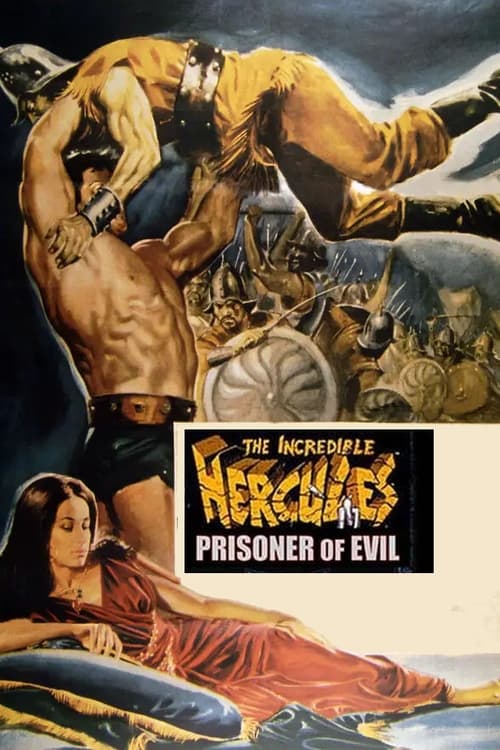
Hercules battles an evil sorceress who turns men into werewolves. The mythic duo returns in Prisoner of Evil, where a sorceress seduces Herc and transforms him into a mindless beast. Italian horror master Antonio Margheriti directed this installment of the Hercules legend, a blend of sword-and-sandal fantasy and horror.
1961
1960
1964

1970
1961
1994

1963
1962
No reviews yet. Be the first to share your thoughts on this movie!
Use the rating form above to leave a star rating and optional review.